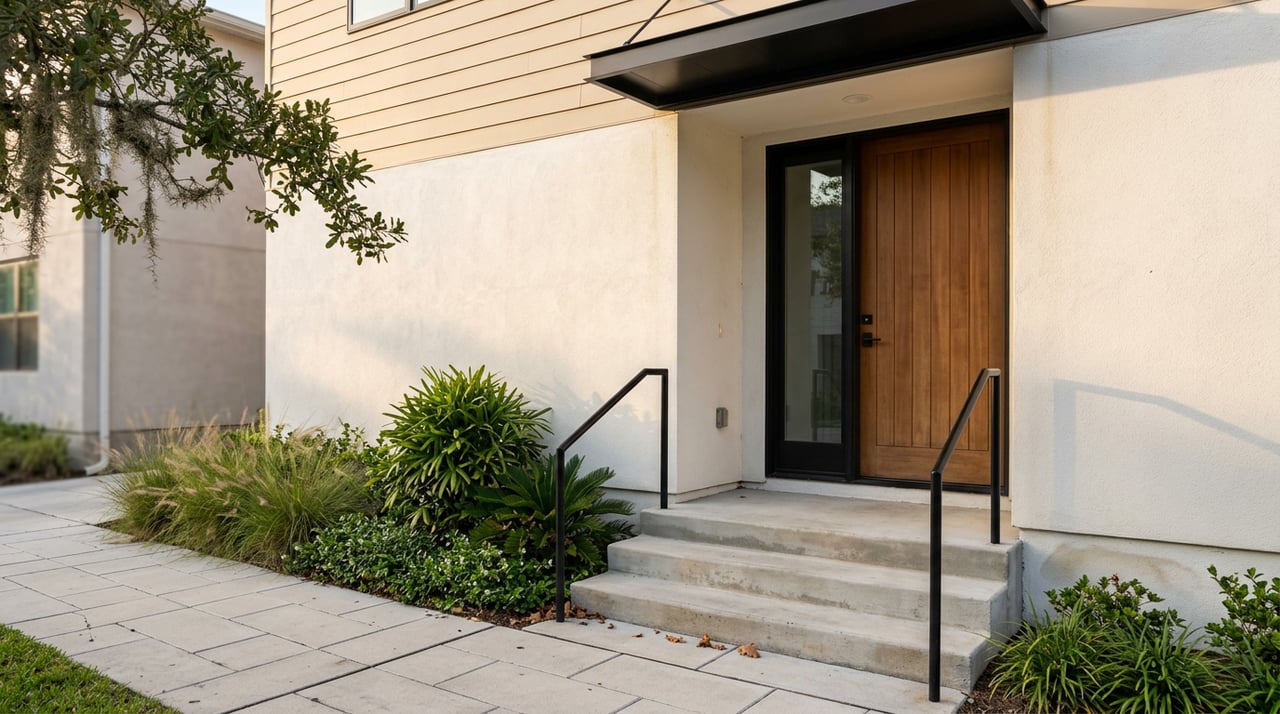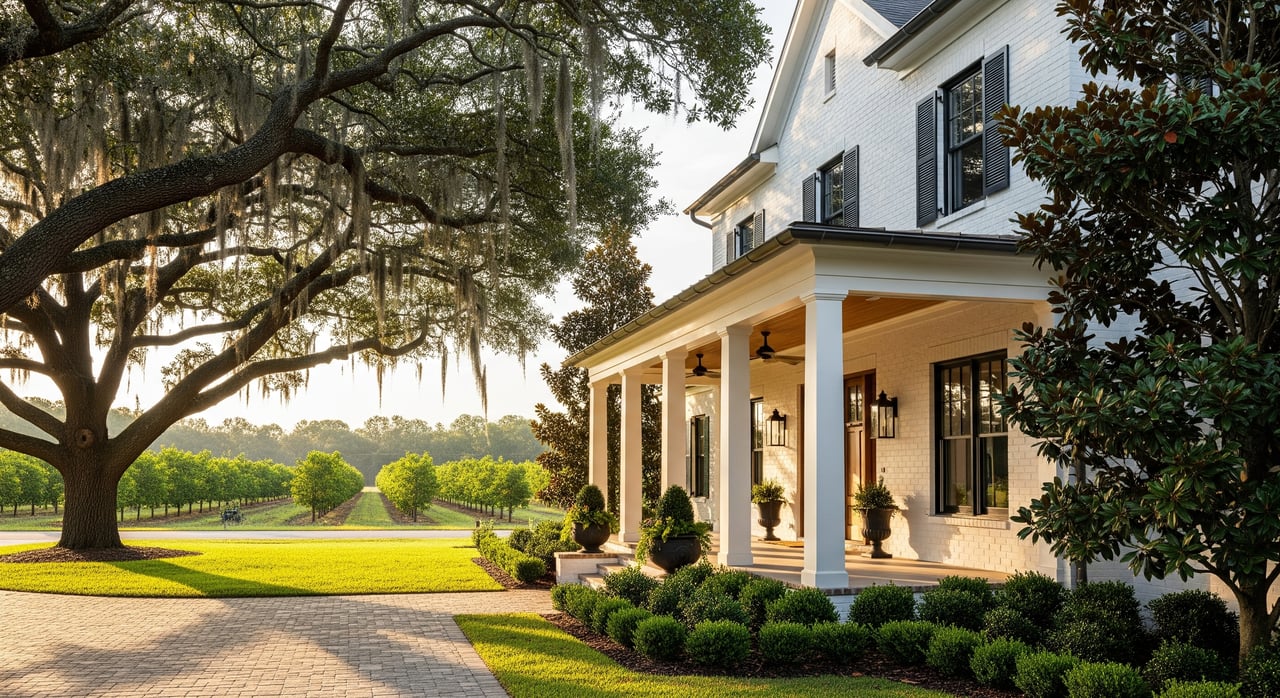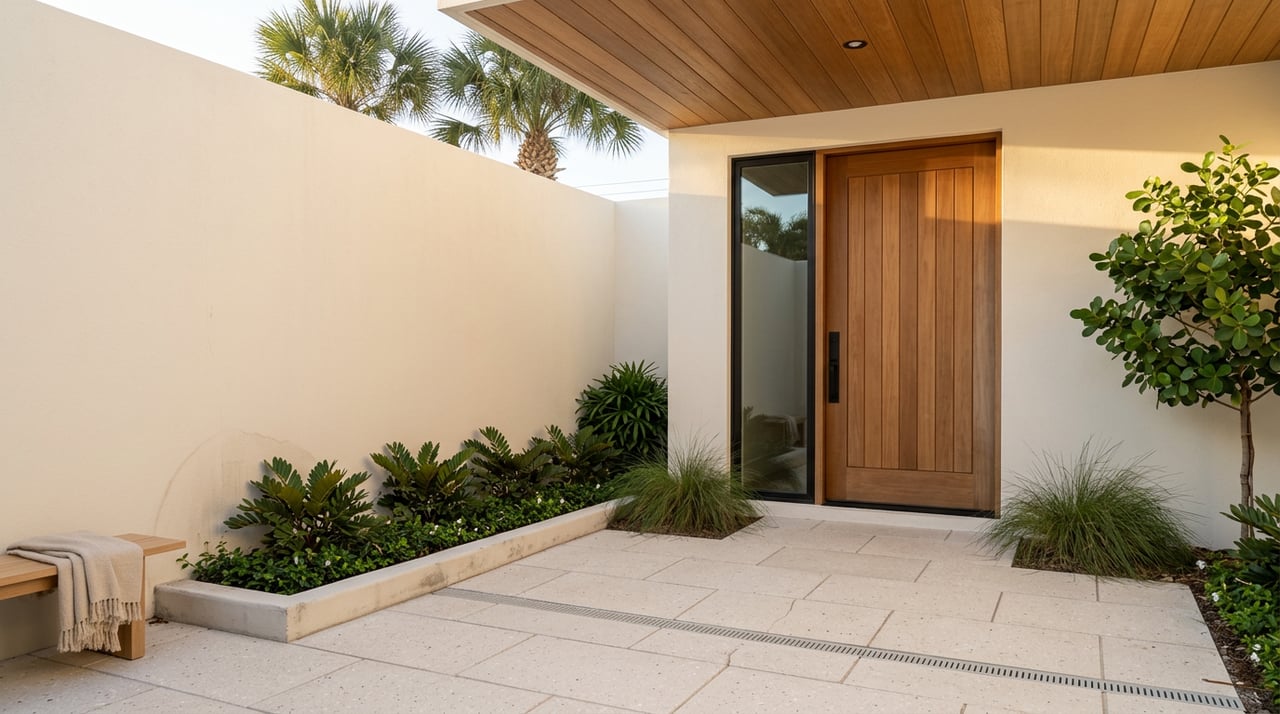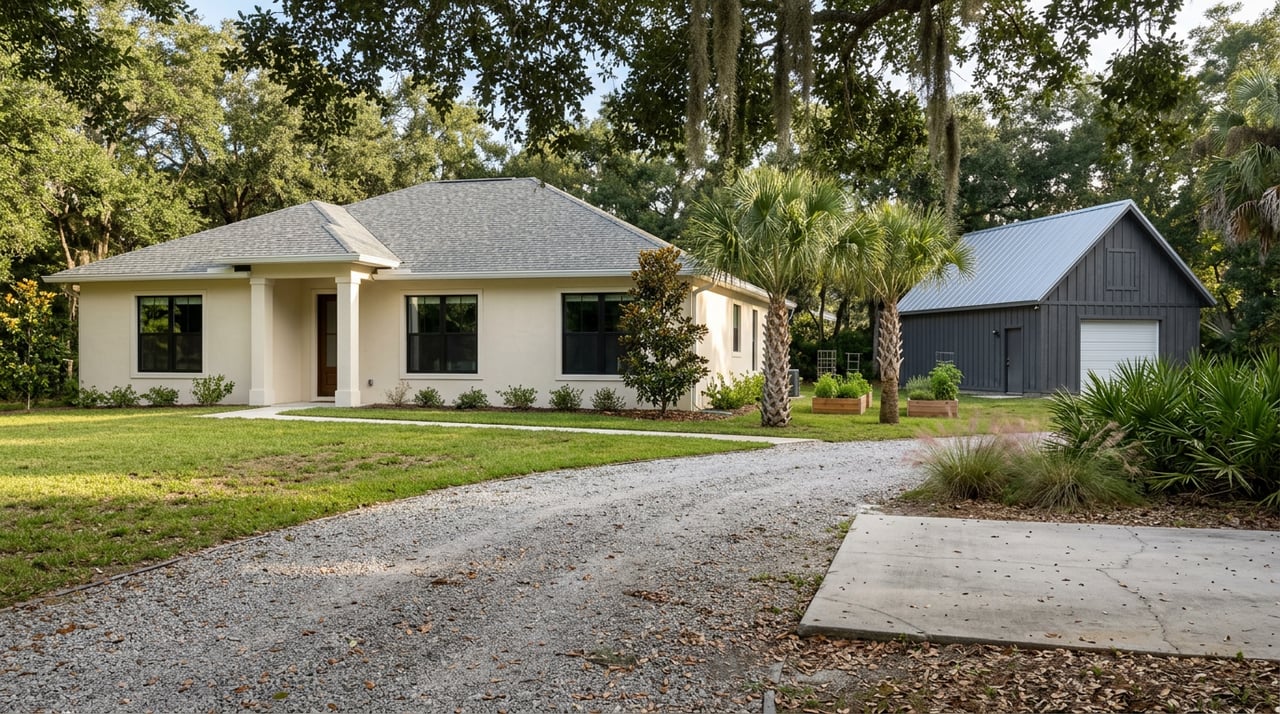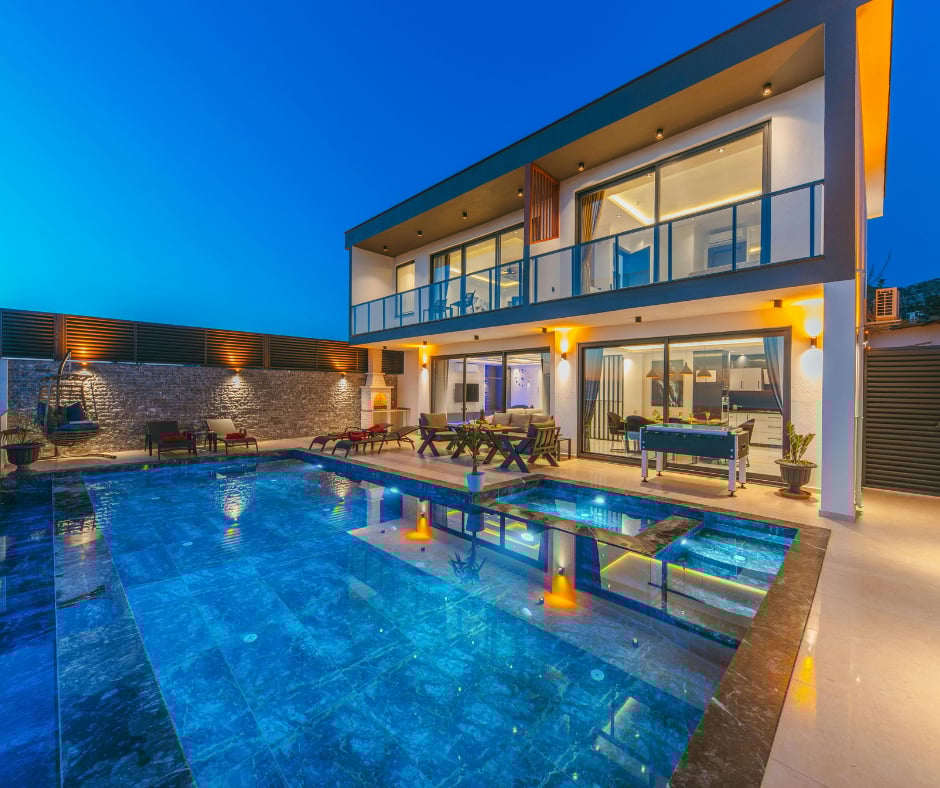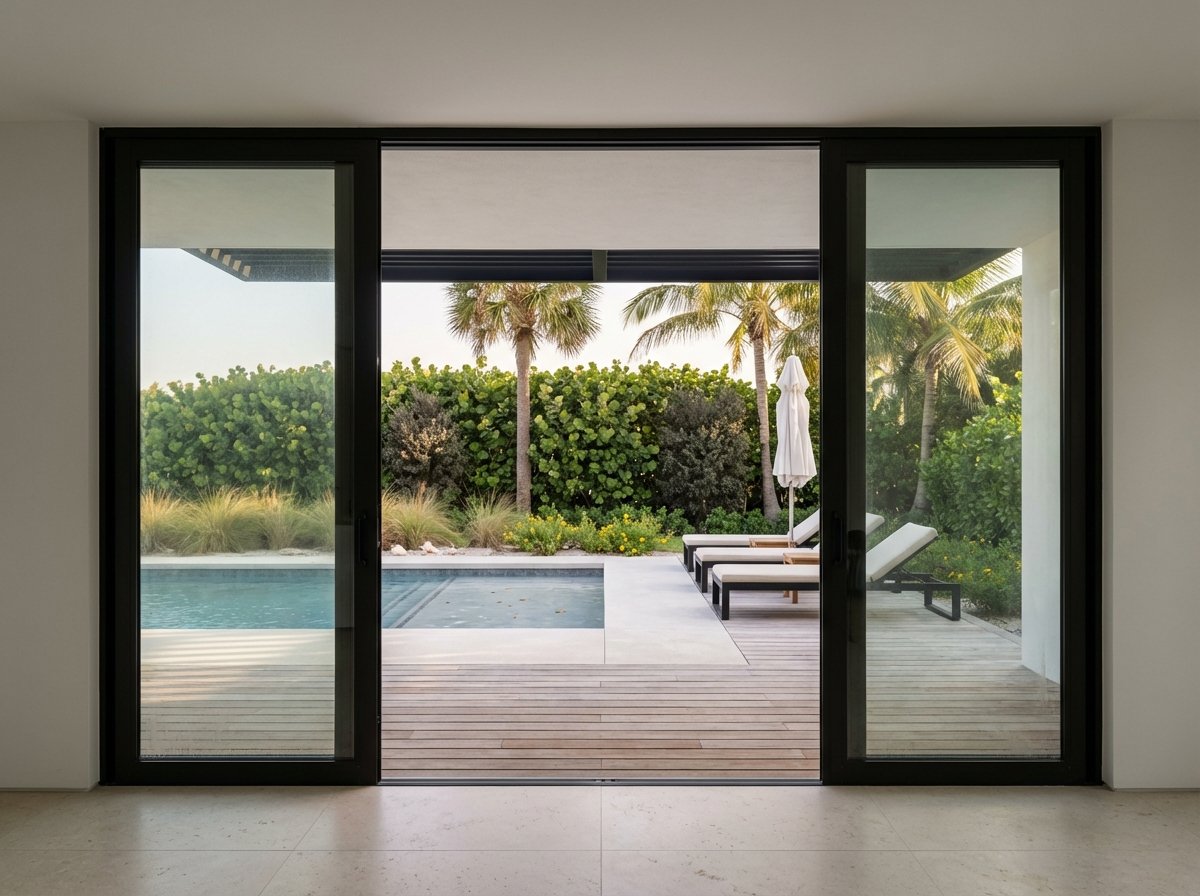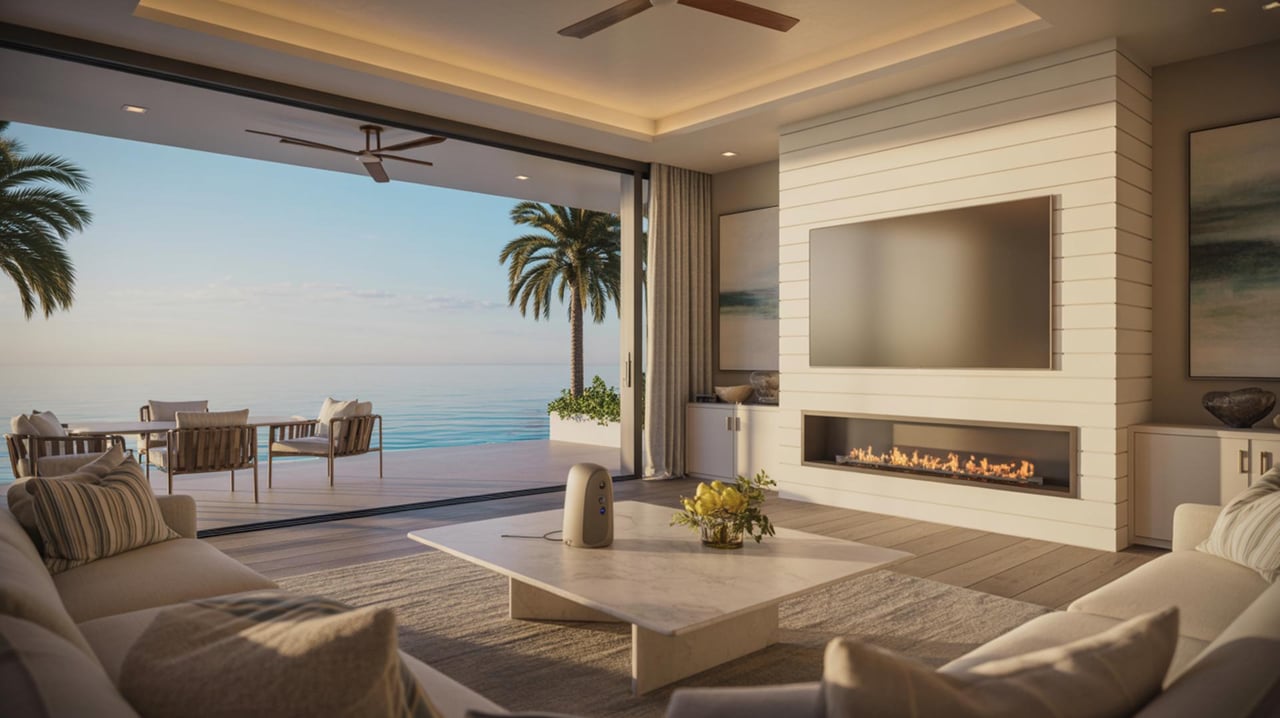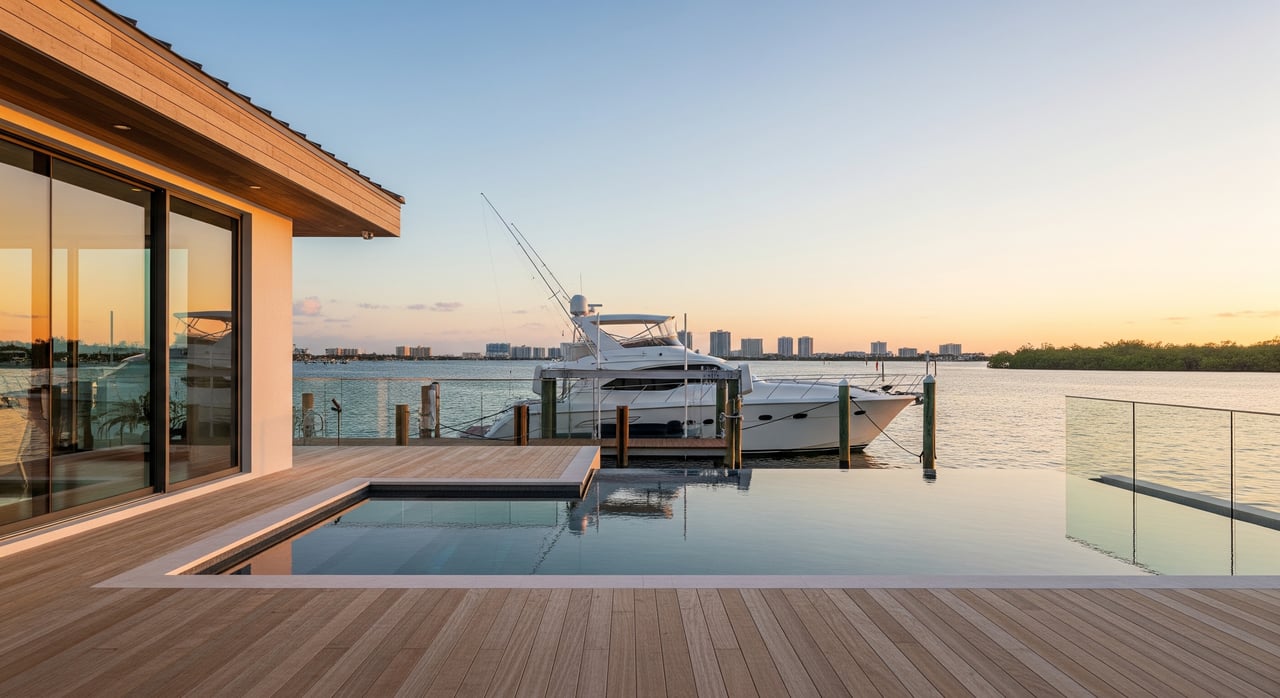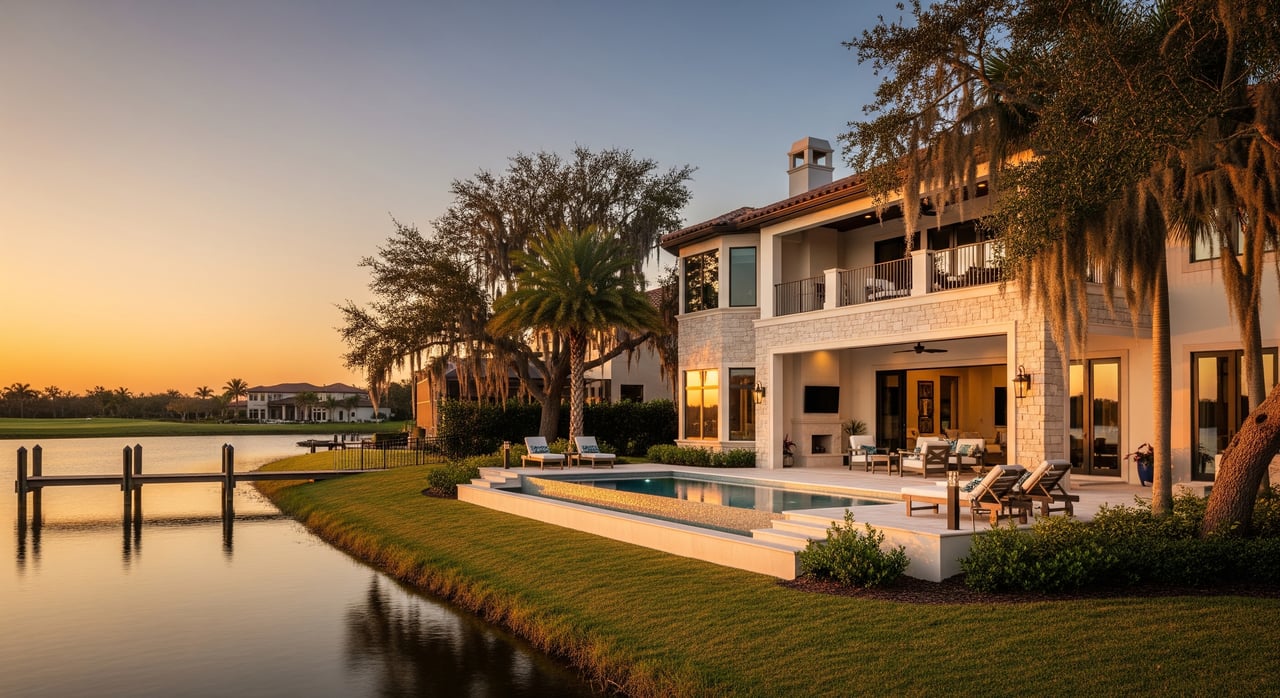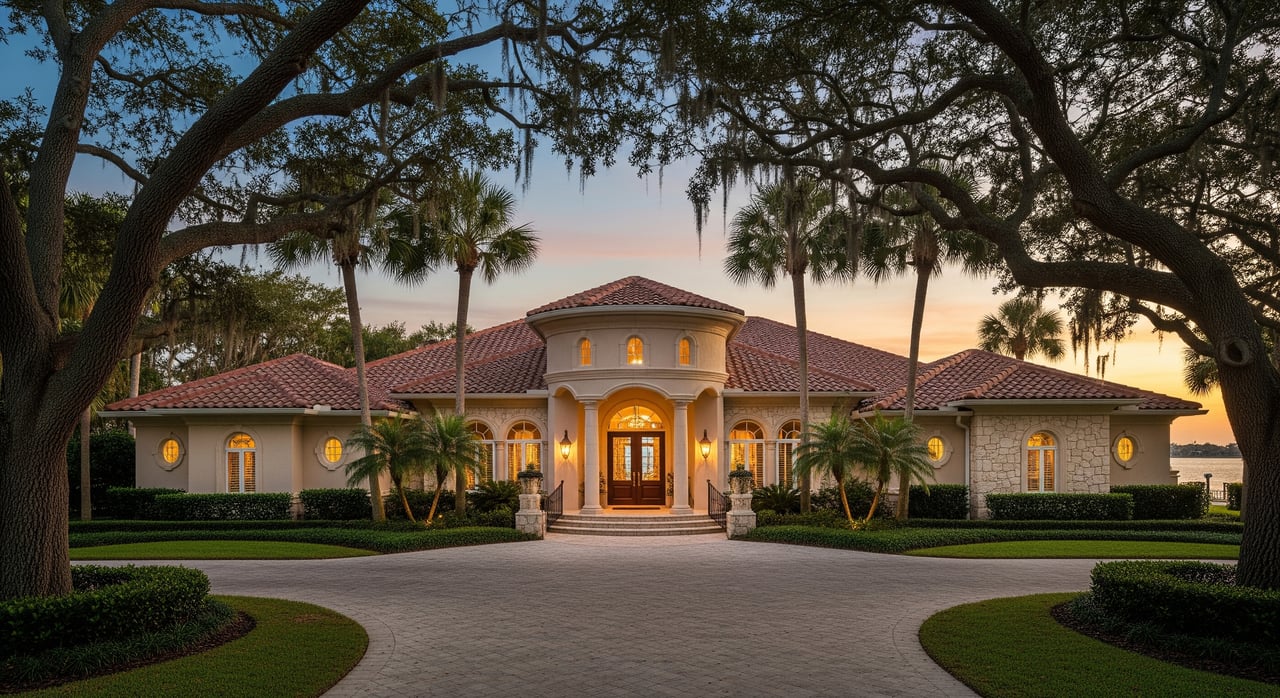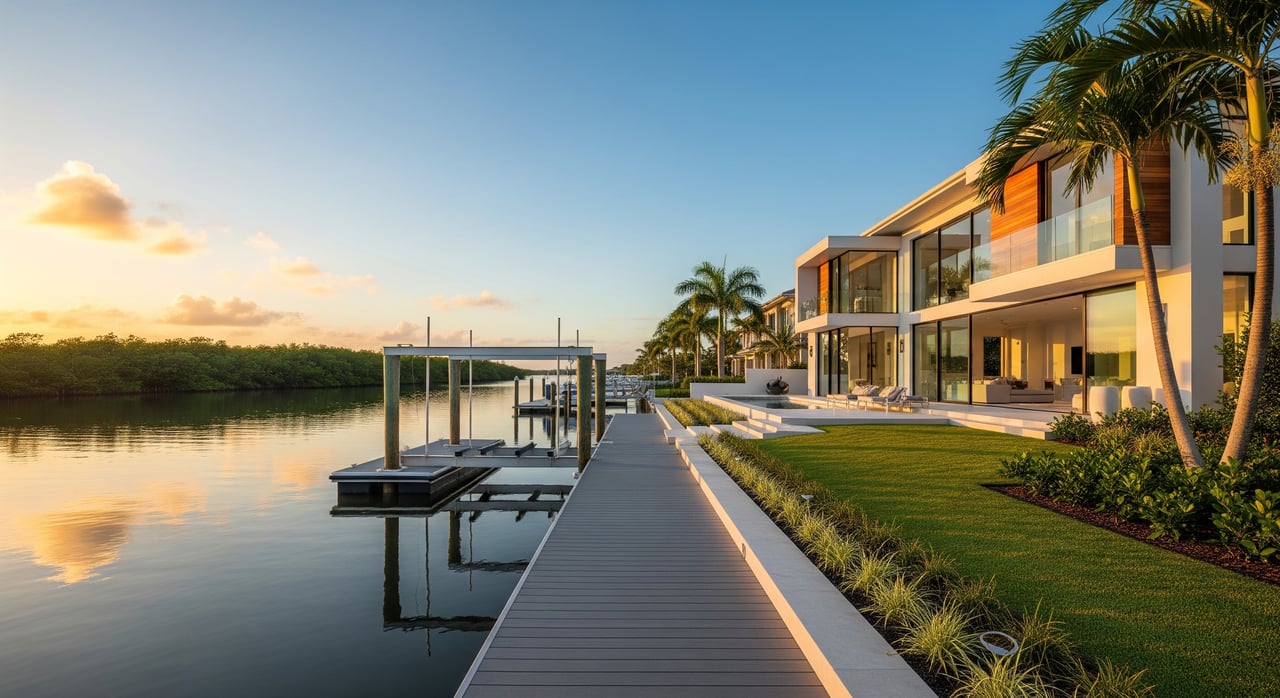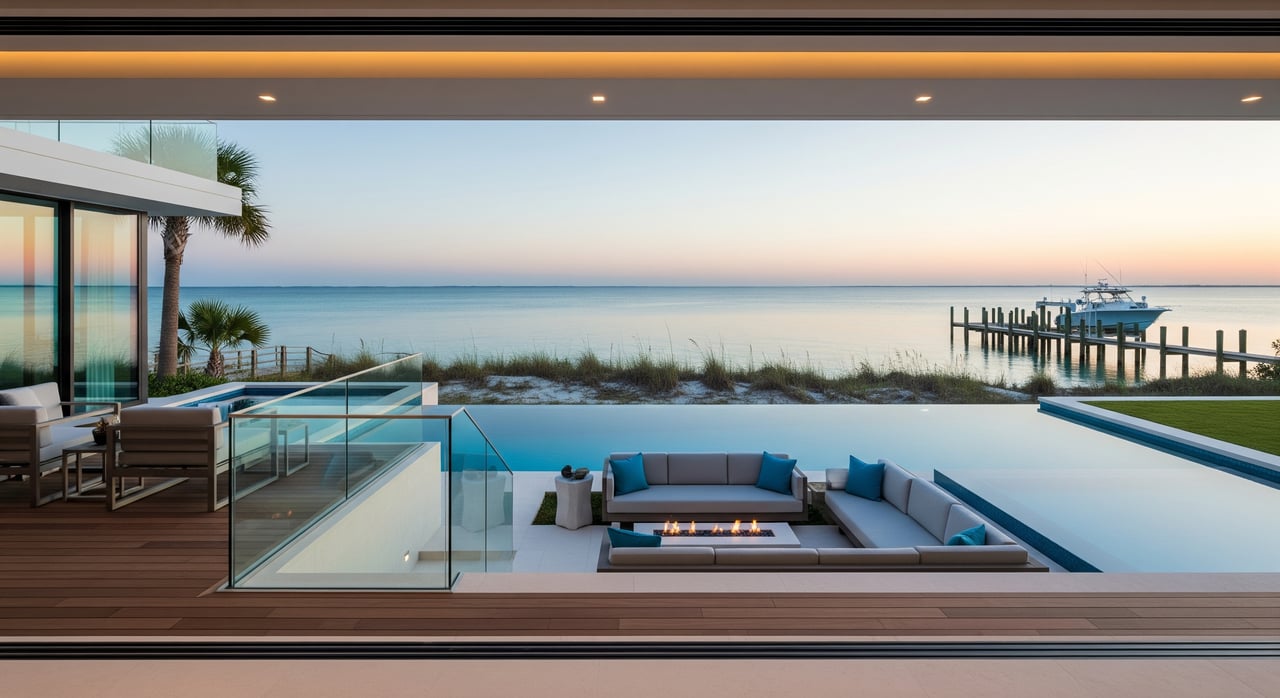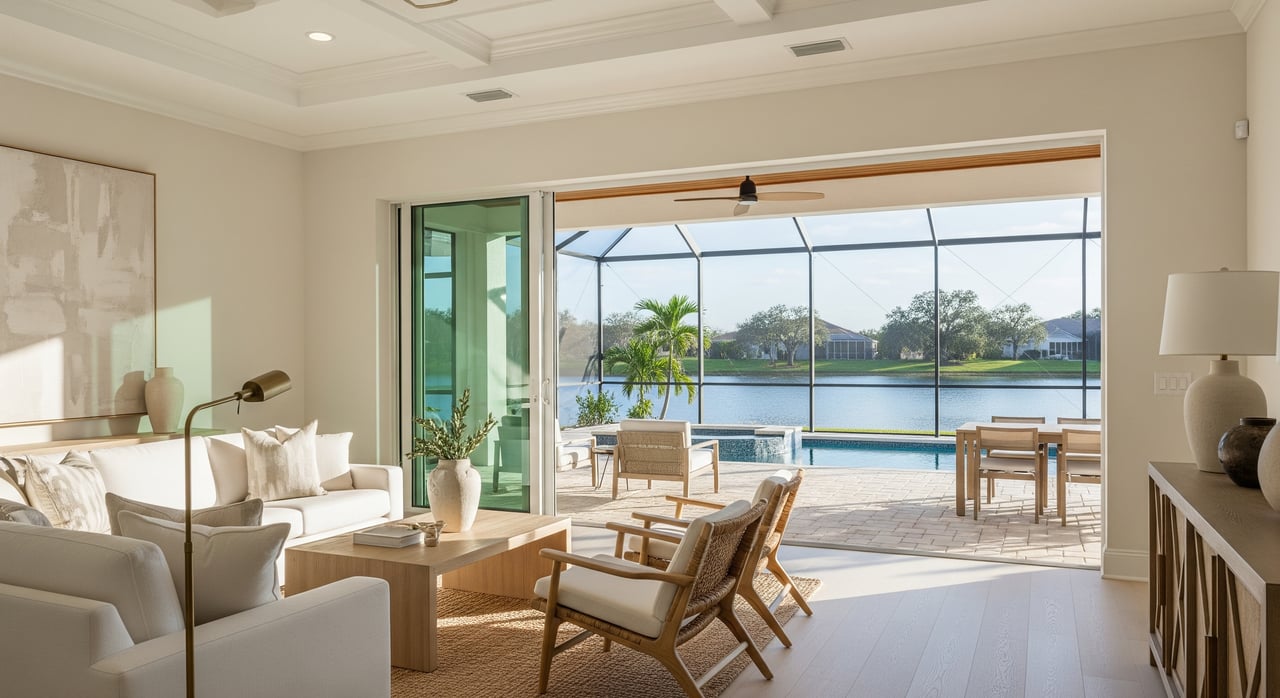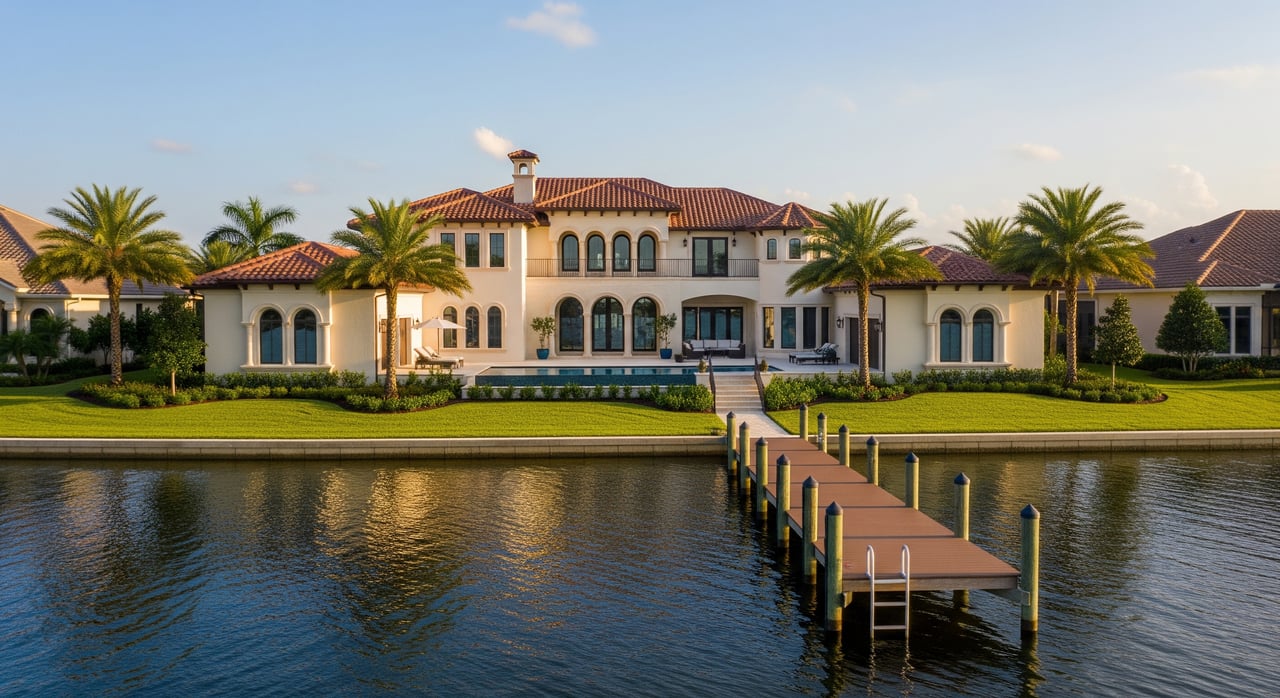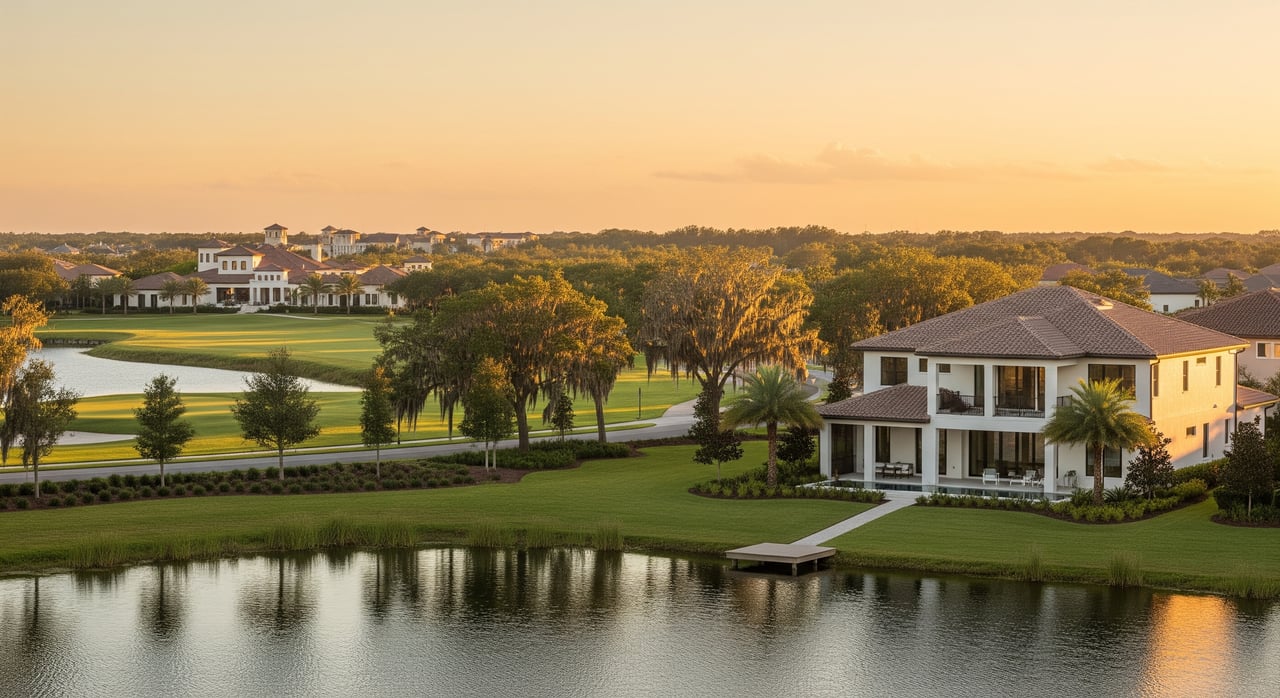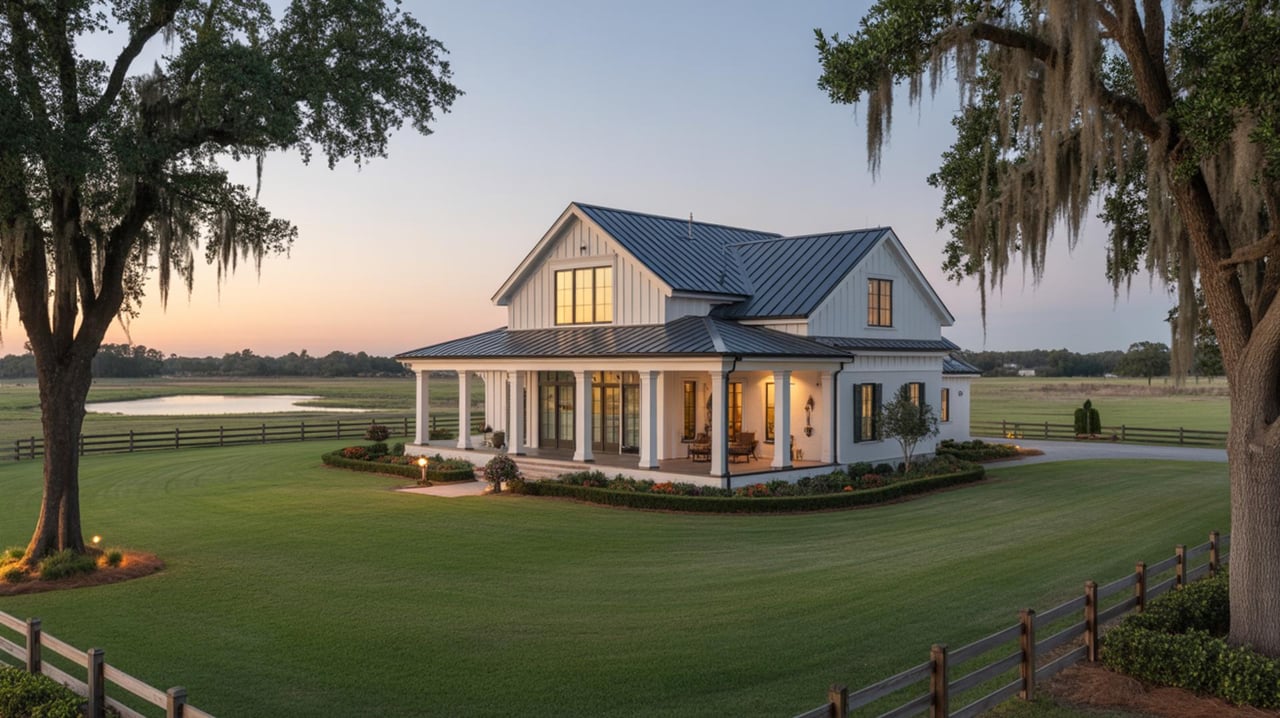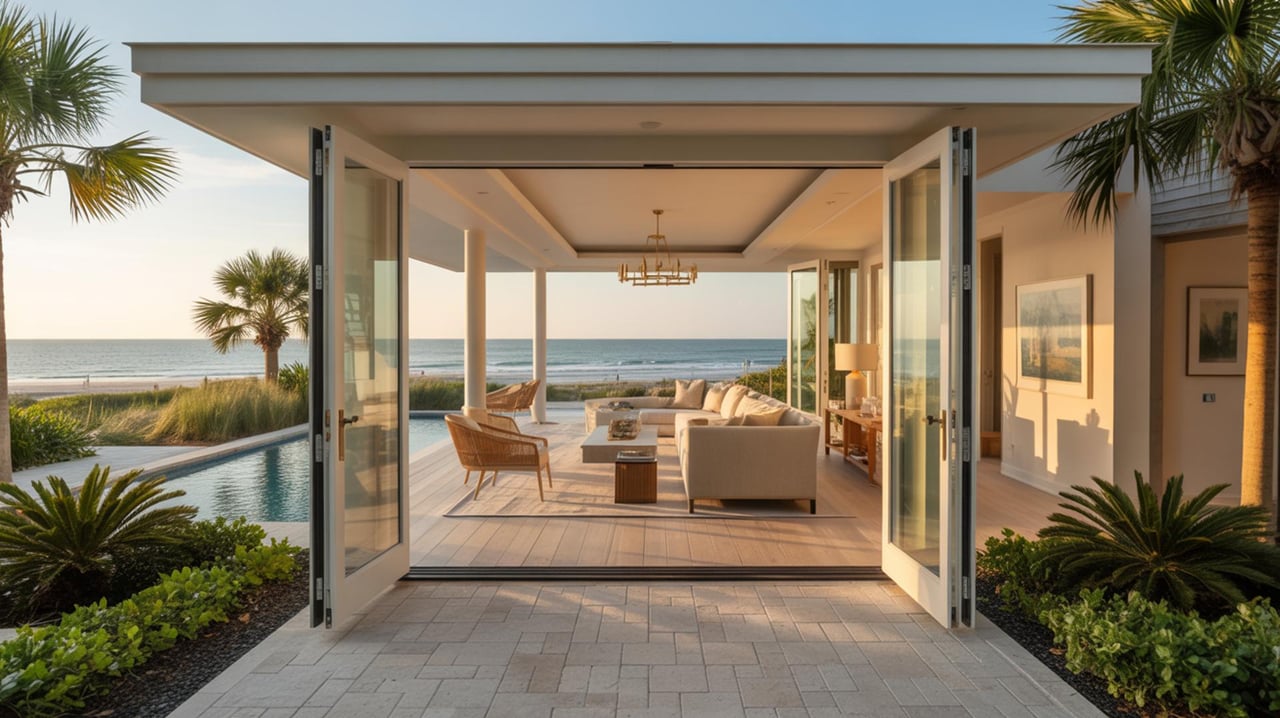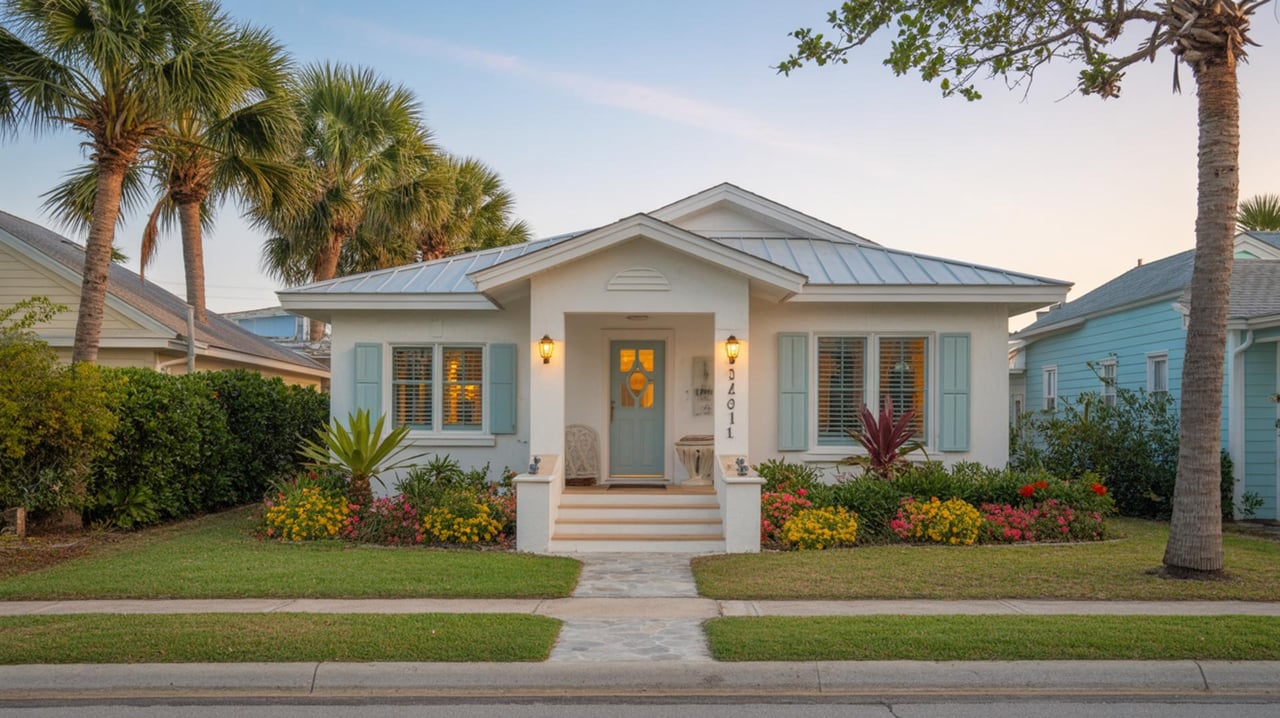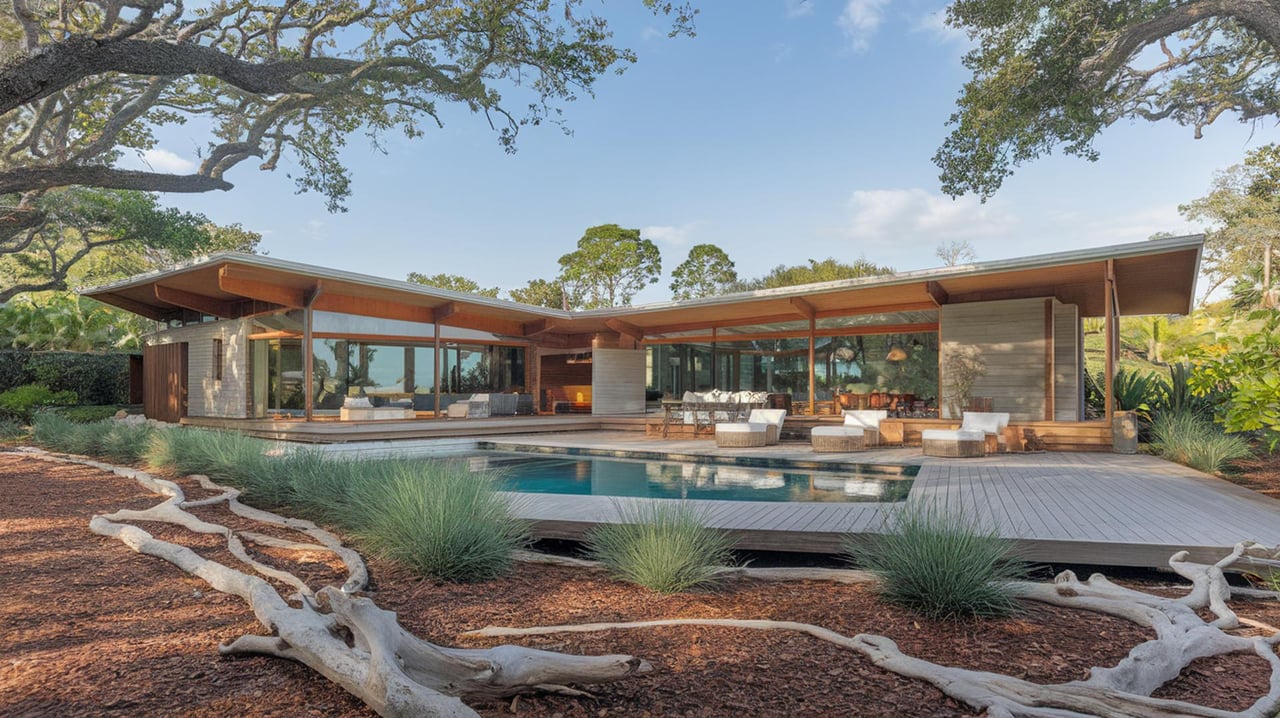
Should you build new or buy a resale in Lakewood Ranch? With active construction alongside established neighborhoods, the choice can feel overwhelming. You want a home that fits your lifestyle and your budget, without surprises after closing. In this guide, you will learn the real trade-offs, timelines, and costs that matter in Lakewood Ranch so you can choose with confidence. Let’s dive in.
How Lakewood Ranch’s market works
Lakewood Ranch spans parts of Manatee and Sarasota counties with multiple villages, town centers, and community amenities. Because it is master planned and still growing, you will see both new construction and resales available at the same time. Inventory, pricing, and days on market shift by village and product type, so it pays to check local MLS and county data before you set expectations.
If you are narrowing in on a specific village, review HOA rules, amenity plans, and any upcoming builder releases. These details can shape your day-to-day experience and your long-term ownership costs.
New construction: what you gain
Customization and fresh systems
You often choose floor plans, finishes, and upgrades when you buy new. You also get modern HVAC, insulation, windows, and appliances that can lower near-term maintenance and operating costs. New homes are typically built to current Florida codes, which can help with wind and hurricane resilience.
Warranties and builder incentives
Most builders include workmanship and structural warranties. You should verify what is covered and for how long. Builders in master-planned communities also offer incentives at times, such as closing cost help, rate buydowns, or upgrade credits, which can make the numbers more competitive.
New construction: what to watch
Timeline and pricing details
From contract to move-in can take months. Weather and materials can delay delivery, so plan for flexibility. Also remember that base prices may not include lot premiums, landscaping, or common upgrade packages. High-end custom finishes might not return dollar for dollar at resale.
Rules, fees, and flexibility
Some builders negotiate less on price in a hot market. In slower periods, incentives may be larger. Expect HOA and possibly master association fees that vary by village. Design guidelines and architectural reviews can affect exterior changes later.
New construction process and financing
How the process typically works
You may choose from a home not yet started, a quick move-in spec, or a more custom build. Expect staged payments, a deposit at contract, draws at milestones, and final closing when the certificate of occupancy is issued. Confirm inspection rights, including independent inspections and final walkthrough punch lists.
Financing and incentives
Conventional loans are common. If you build from scratch, a construction-to-permanent loan may apply and will follow a draw schedule. Some incentives require using a builder’s preferred lender. Compare total costs with independent lenders before you decide.
Resale homes: what you gain
Faster closings and negotiation room
Resales can typically close in 30 to 60 days with a clean title and standard mortgage. Price, timeline, and seller credits are usually negotiable based on condition and demand.
Established neighborhoods and known history
You benefit from mature landscaping and a lived-in community feel. Many resale sellers can share repair records and past improvements, which helps you budget for the first few years of ownership.
Resale homes: trade-offs to consider
Maintenance and updates
Older systems like roofs, HVAC, or electrical may be closer to replacement. Energy efficiency may lag behind new builds unless updates were completed. If you want a modern layout, plan for renovation costs and possible disruption.
Inspections and repairs
Thorough inspections are essential. In this area, termite checks and roof or pool inspections are common. If issues emerge, you can often negotiate repairs, credits, or a price adjustment, guided by a comparative market analysis.
Costs, fees, and insurance in Lakewood Ranch
Closing costs and HOA fees
Standard buyer and seller closing costs apply. Builders sometimes cover some seller-side costs as an incentive for new homes. Many villages have HOA dues and sometimes a master association fee. Review CC&Rs and budgets to understand services, rules, and any planned projects.
Property taxes and assessments
Property taxes are based on county appraisals. New construction can be assessed on a different timeline than resales, and values may change after you purchase. Review examples and tax history with the Manatee County Property Appraiser.
Flood and wind insurance
Some lots may be in flood-prone zones. Lender requirements can trigger flood insurance even outside high-risk FEMA zones, depending on underwriting. Wind and hurricane premiums vary by age of home and mitigation features such as impact windows, roof tie-downs, and shutters. Newer code-compliant homes can see insurance benefits compared to older homes that are not retrofitted.
Appraisals and comps
New-build appraisals can be tricky when there are few closed sales for the same model and upgrades. Appraisers may use builder comps or nearby new-home sales. For resales, appraisers rely heavily on recent closed sales. If new inventory is hitting the market near you, factor that into your pricing and expectations.
New vs. resale: a quick decision guide
Choose new construction if:
- You value customization, fresh systems, and current building codes.
- You can wait months for delivery and want warranties.
- Builder incentives make the total cost competitive for your budget.
- HOA rules, design reviews, and set styles align with your preferences.
Choose resale if:
- You want to close in 30 to 60 days and prefer negotiation flexibility.
- Mature landscaping and established neighborhood character matter to you.
- You are comfortable budgeting for updates or renovations over time.
- You want utility and maintenance histories to inform your due diligence.
Seller tips: competing with new construction
Understand the market risk
New releases can increase inventory and slow days on market for similar resale homes. Buyers may compare your home to a new build with warranties. Price and position your property with this in mind.
Price and market strategically
Price relative to current new-build offerings, including their incentives. Highlight your differentiators, such as a larger or more private lot, mature landscaping, updates, or convenient access to area amenities. Consider strategic concessions like a buyer home warranty, flexible closing dates, or targeted credits.
Prepare for a clean sale
Use a pre-listing inspection to address visible maintenance items. Invest in staging and photography that showcases indoor and outdoor spaces buyers cannot easily replicate. If many new releases are scheduled, time your listing to reduce head-to-head competition when possible.
Your Lakewood Ranch action plan
- Get current neighborhood metrics from the local MLS or Realtor association before setting price expectations.
- Review each village’s HOA and master association fees, rules, and amenity plans.
- Check recent solds and tax history with the county property appraiser.
- Verify flood zones and consider insurance impacts before you write an offer.
- Compare loan options and any builder-lender incentives with independent lenders.
- For new builds, confirm timelines, inspection rights, and warranty coverage in writing.
- For resales, plan thorough inspections and a clear negotiation strategy.
Ready to compare your options?
You do not have to figure this out alone. If you want a clear cost comparison, community insights, and a negotiation plan that fits your move, connect with Lori Moses. Our team will help you weigh new construction against resale and move forward with confidence.
FAQs
What is the main benefit of new construction in Lakewood Ranch?
- You get customization, modern systems built to current codes, warranties, and possible builder incentives that can improve overall value.
How long does a new home build usually take?
- Timelines vary, but building typically takes longer than a resale closing, with quick move-in specs being faster and custom builds being the longest.
Are resale homes faster to close in Lakewood Ranch?
- Yes, a properly underwritten mortgage and clear title can often close in 30 to 60 days, subject to inspections and appraisal.
How do HOA fees differ between villages?
- Fees and rules vary by village and home type, so you should review each community’s documents, budgets, and any master association dues before you commit.
Will a new roof or impact windows lower my insurance?
- Newer construction and mitigation features can help reduce wind and hurricane premiums, though exact costs depend on the insurer, home features, and location.
How does ongoing new construction affect resale pricing?
- New releases can add supply and create short-term price pressure on similar resales, while long-term amenity build-outs can support overall area appeal.