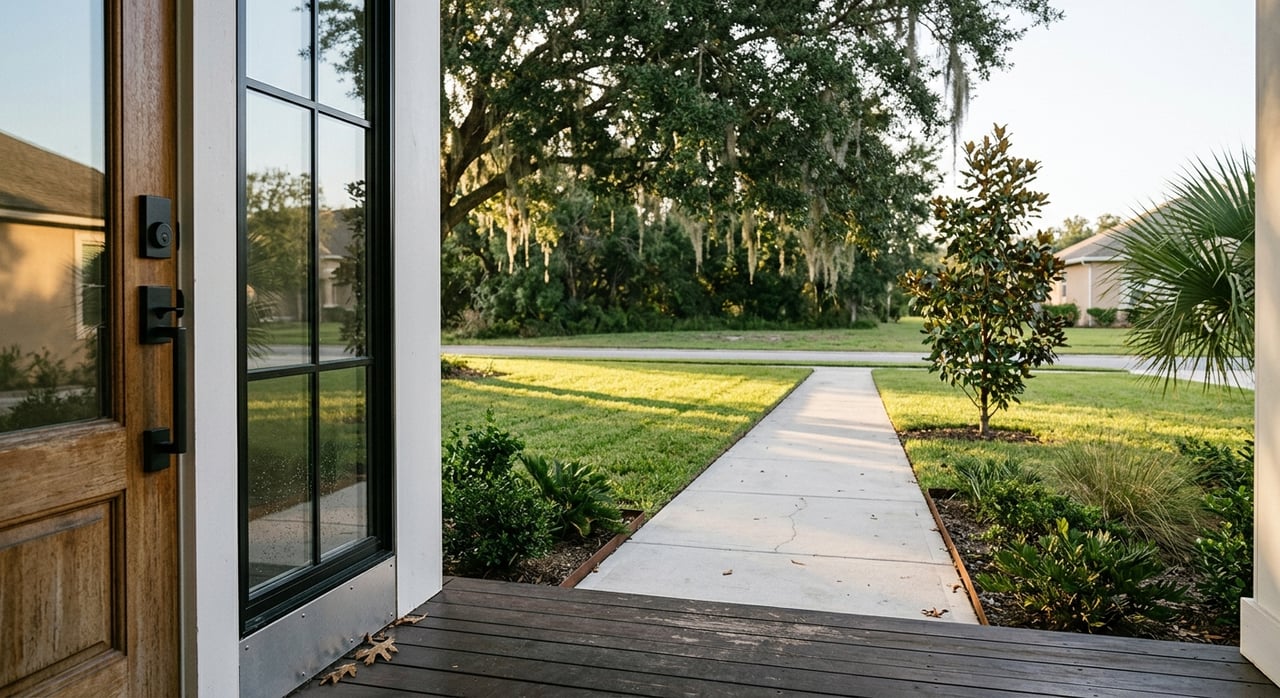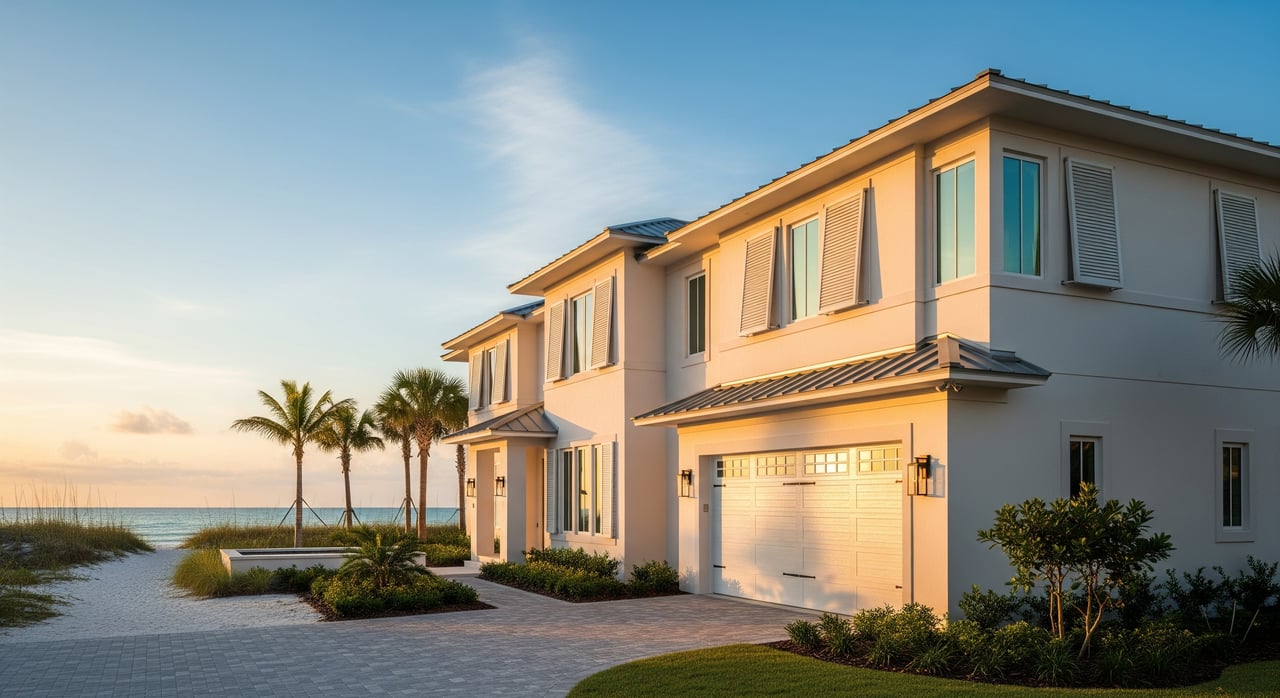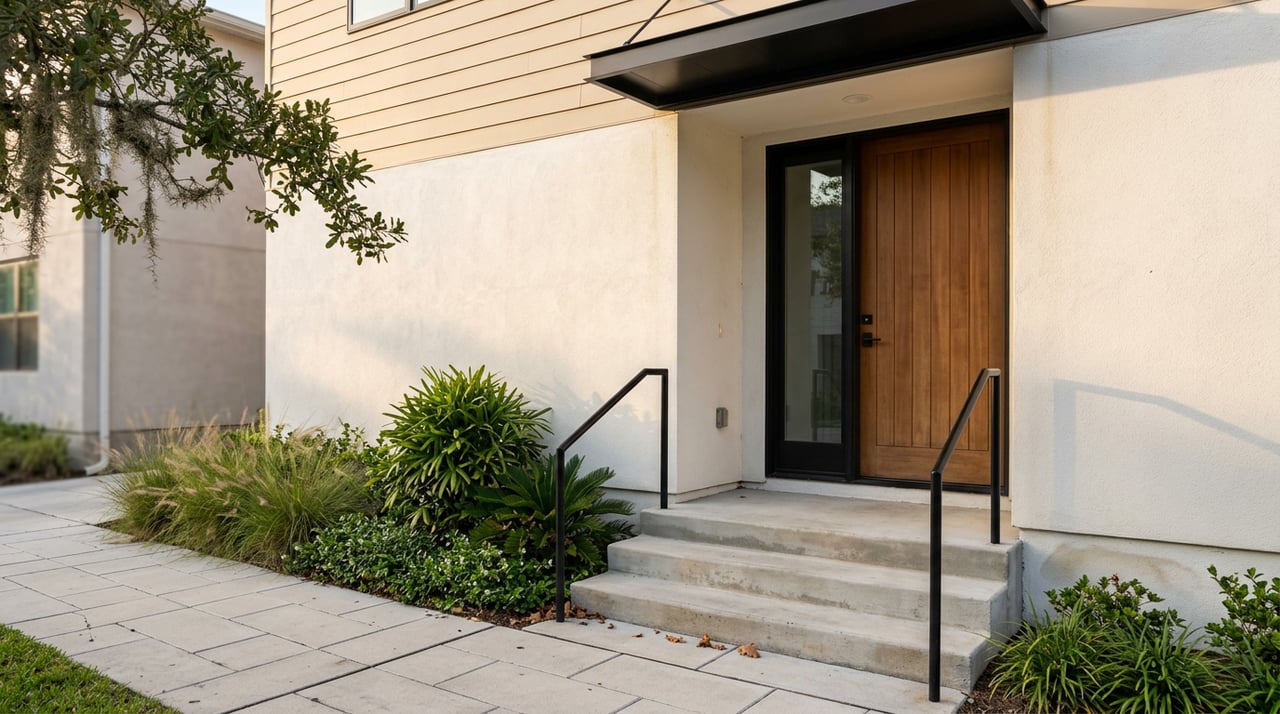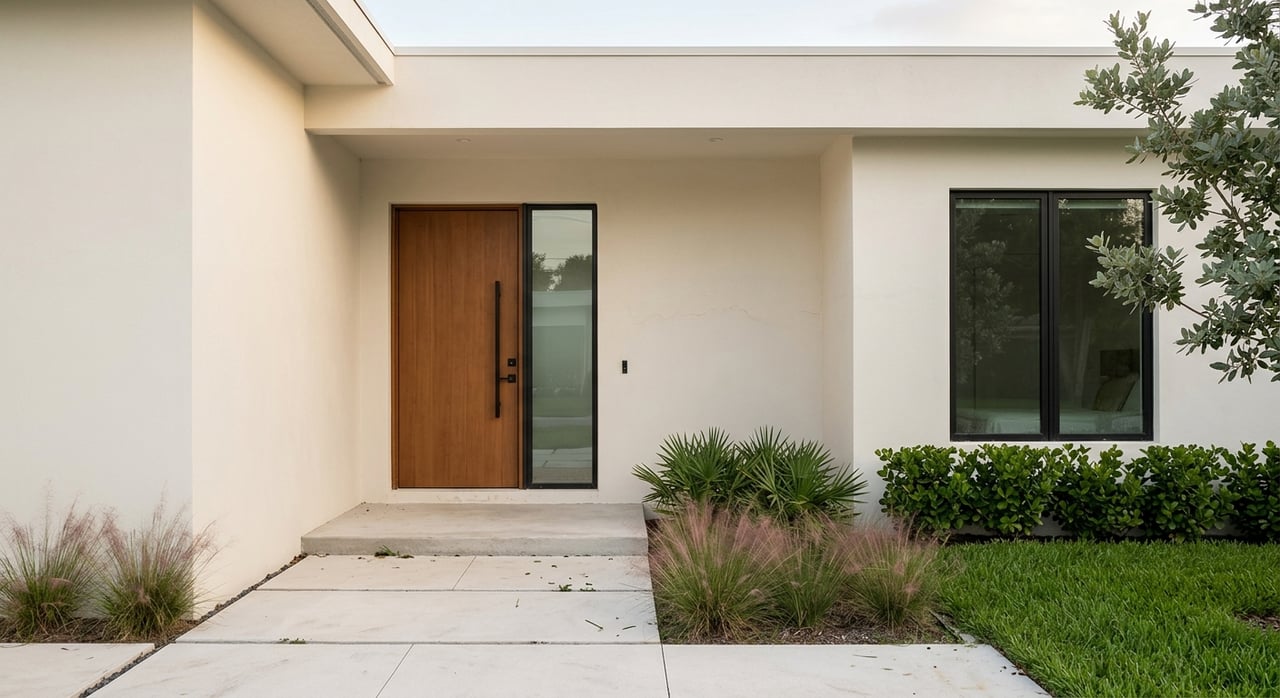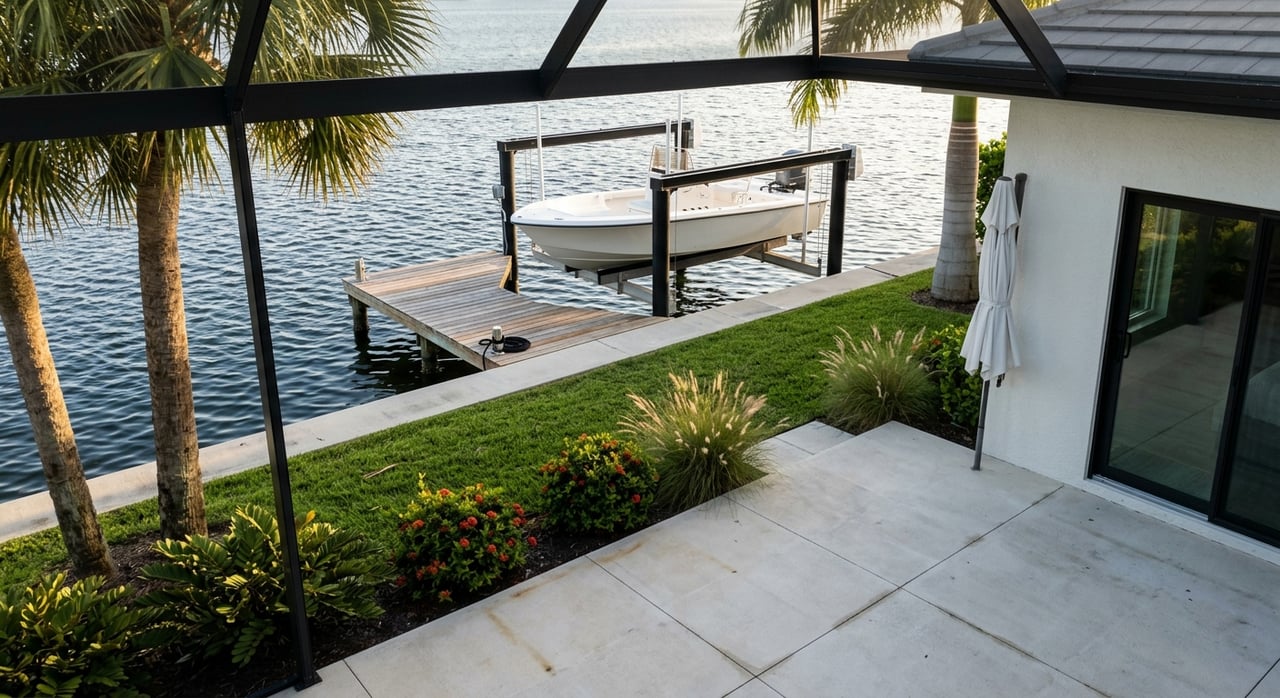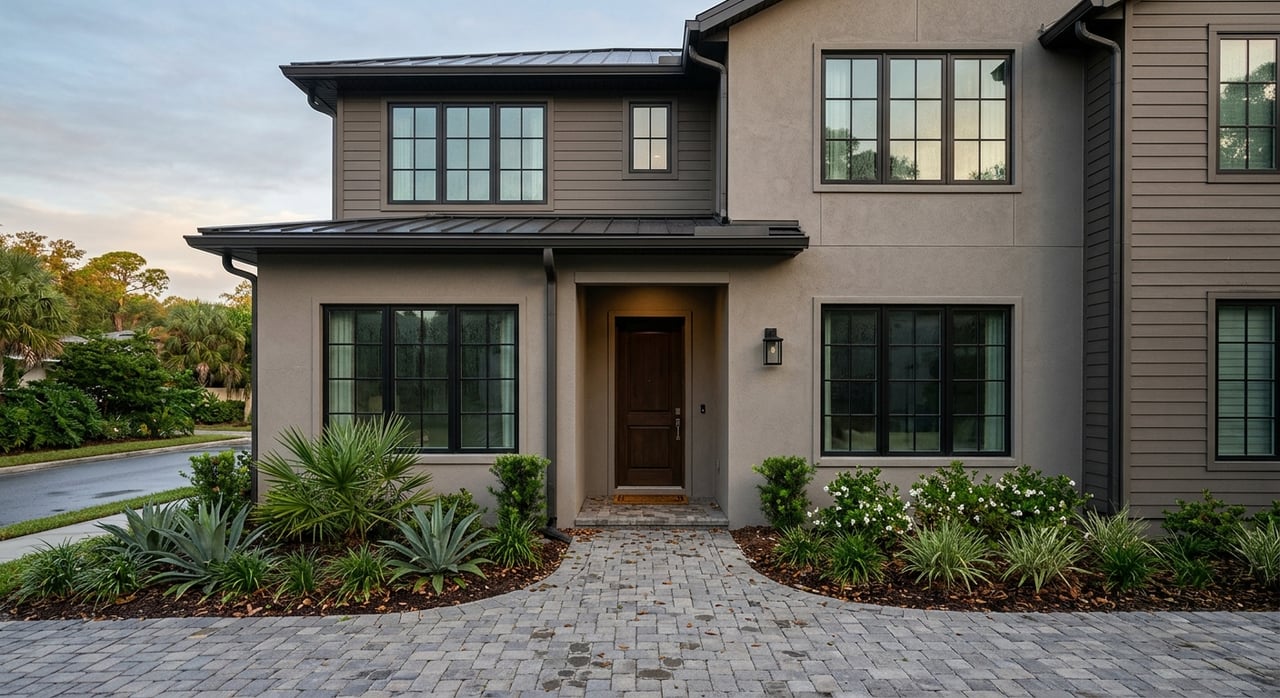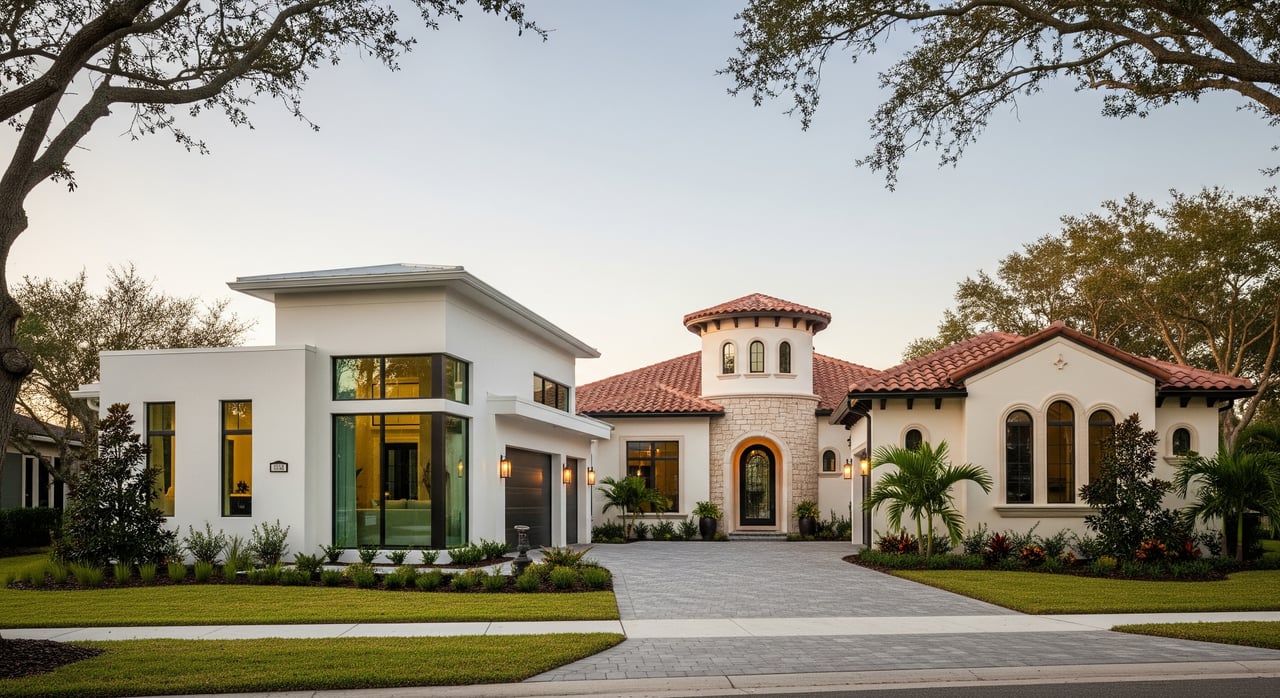
You put time, money, and heart into those updates. Now you want a smooth sale and a strong price without leaving money on the table. Clearwater’s market is still attractive, but buyers have more choices than they did a couple of years ago. In this guide, you’ll learn how to price strategically, time your launch, and showcase your renovations so buyers see real value. Let’s dive in.
Clearwater market snapshot
As of early 2026, Clearwater’s pricing signals vary by data source. Redfin’s January 2026 snapshot shows a median sale price near $420,000. Zillow’s typical-value index for the same period shows about $332,500. Methods differ, which is why your list strategy should rely on a fresh neighborhood CMA.
Across Pinellas County, trackers point to rising months’ supply and longer days on market compared with the 2021–2022 surge. That means sharp pricing and standout marketing matter more today. Seasonality also plays a role. Winter and early spring often bring additional out-of-state interest, and spring remains a high-activity window.
What this means for you
- You can still win with a renovated, move-in-ready home.
- Precision pricing and strong visuals help you capture early momentum.
- Be transparent with permits, warranties, and flood details to support value and reduce renegotiations.
What buyers reward in renovated homes
Buyers in Clearwater will pay a premium for upgrades that solve problems on day one. They are drawn to listings that feel turnkey and well documented.
- Clear scope of work and completion dates.
- Permitted and inspected projects with copies available.
- Transferable warranties for roof, HVAC, windows, and appliances.
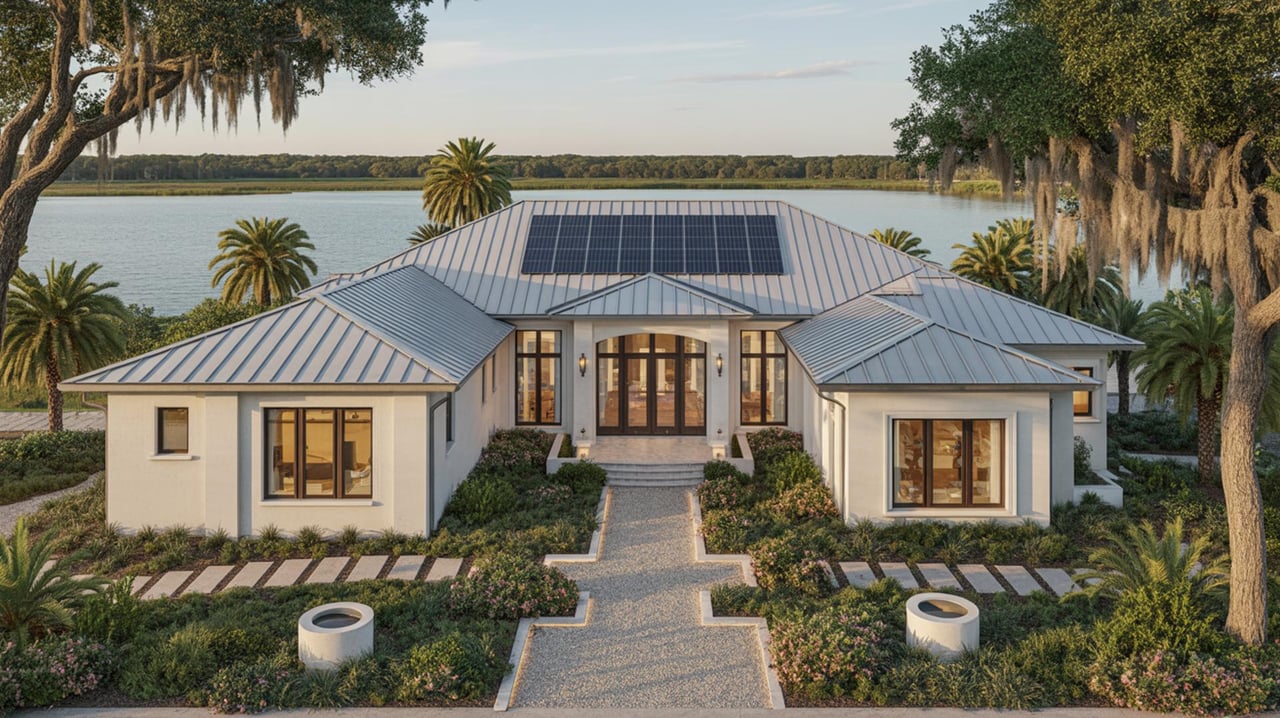
- Energy and insurance-friendly improvements where relevant.
- Honest flood information with any mitigation steps and paperwork.
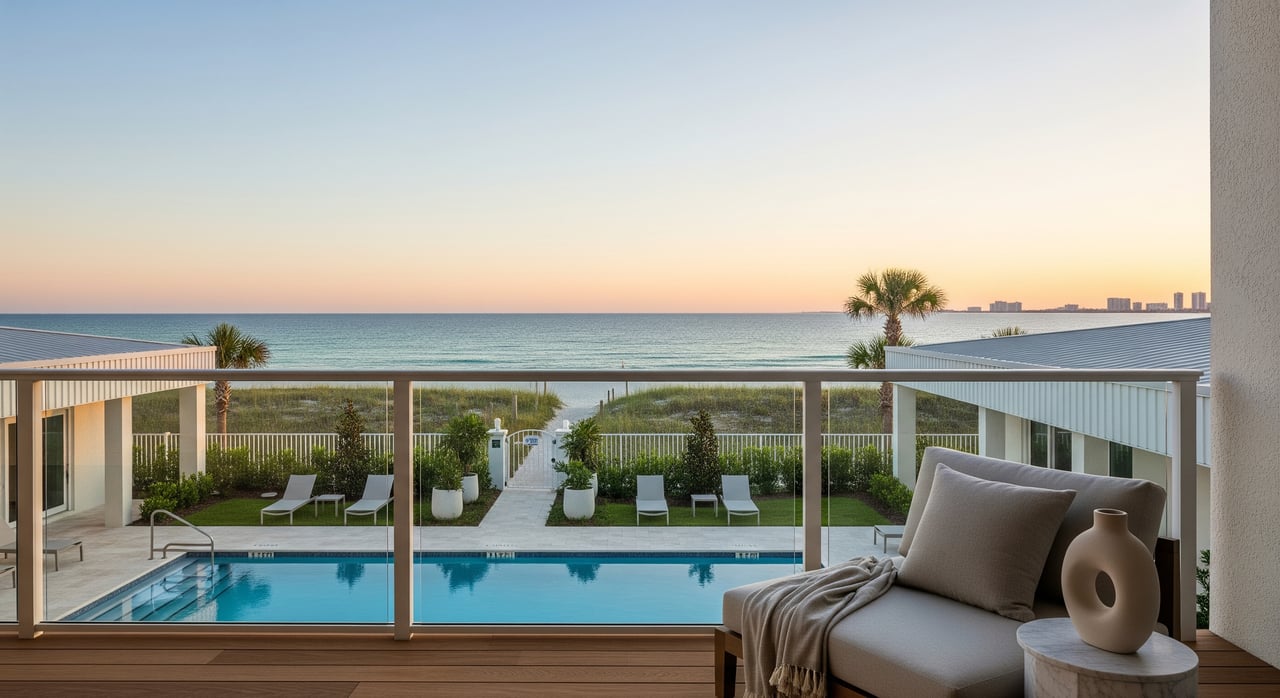
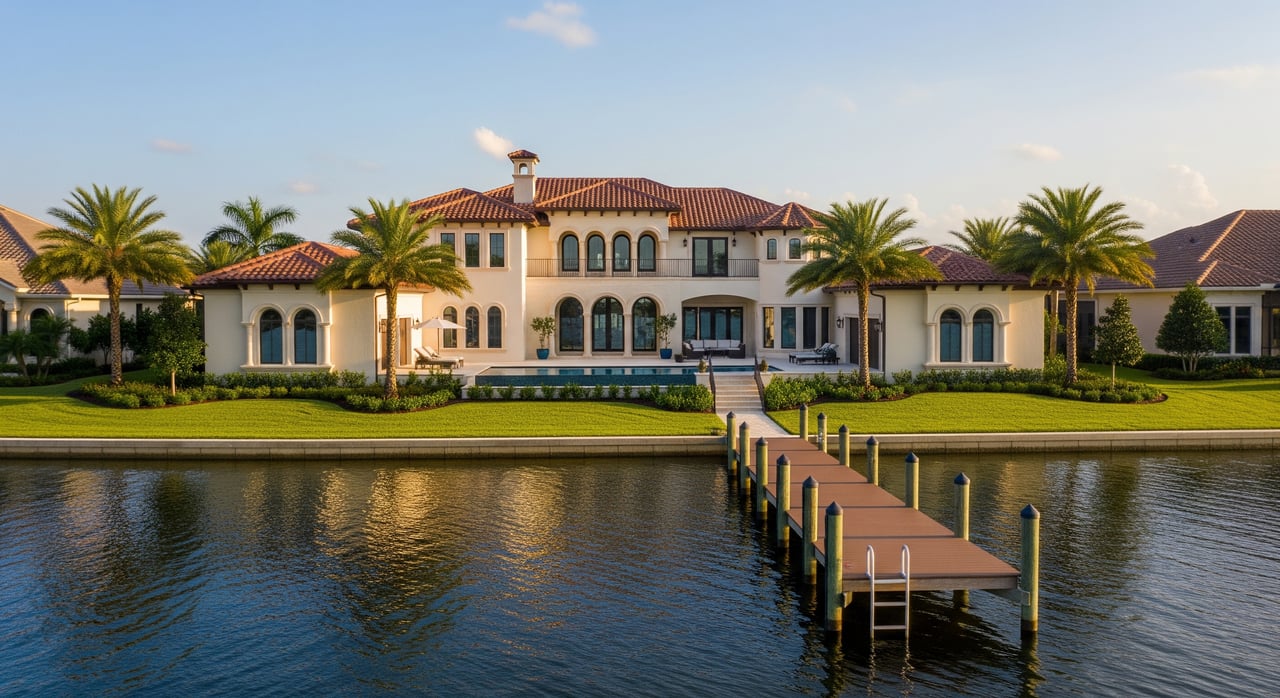
Waterfront and barrier-island properties can face extra questions about insurance, assessments, and flood risk. Inland and suburban single-family homes tend to show steadier demand. If you are on the coast, expect buyers to ask for flood details early.
Renovation ROI: realistic expectations
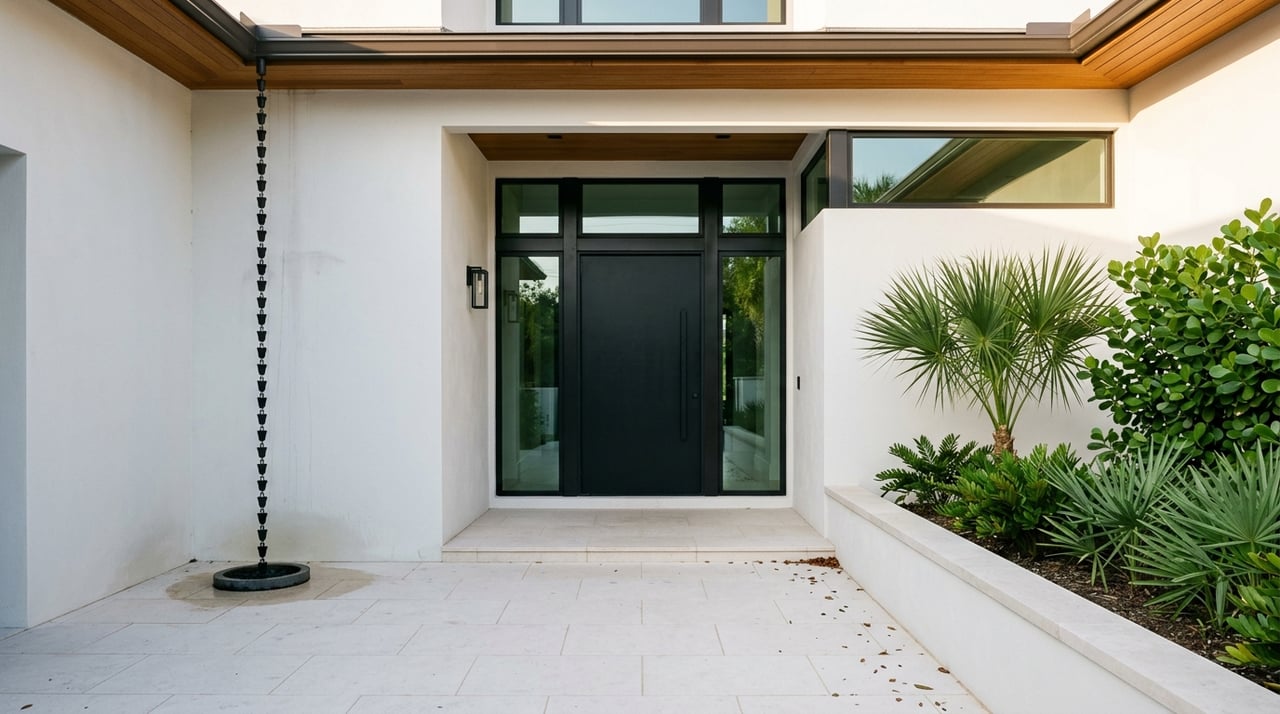
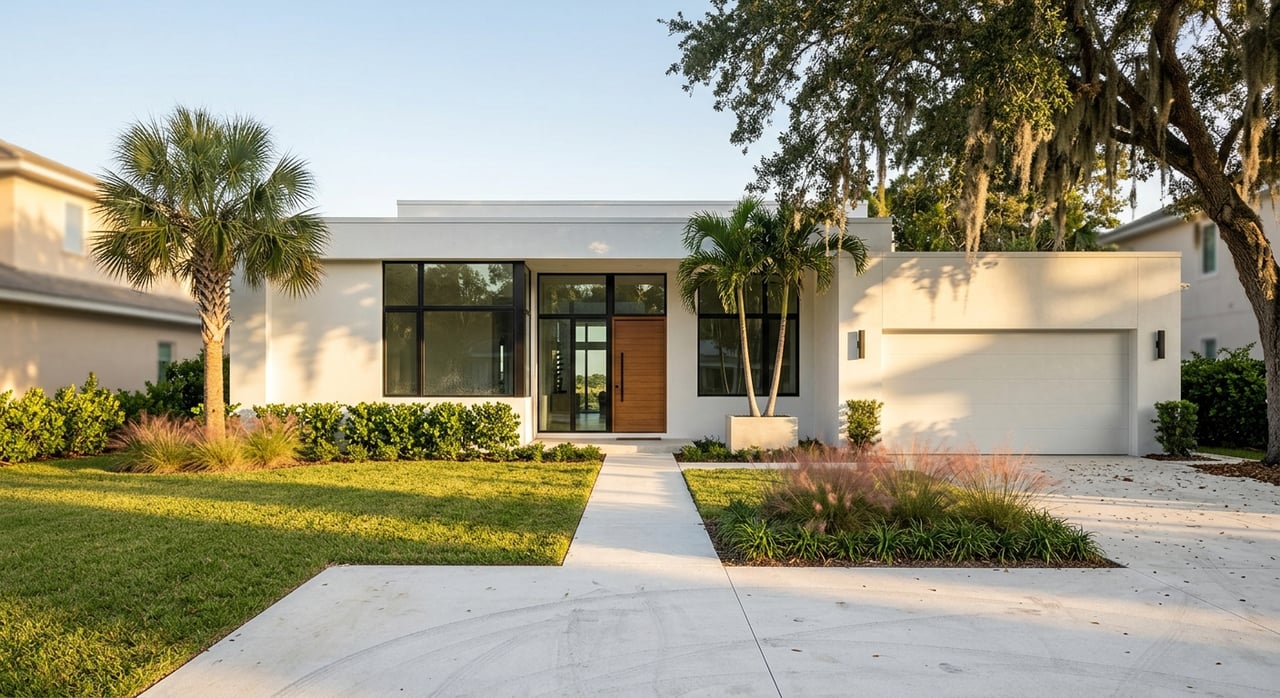
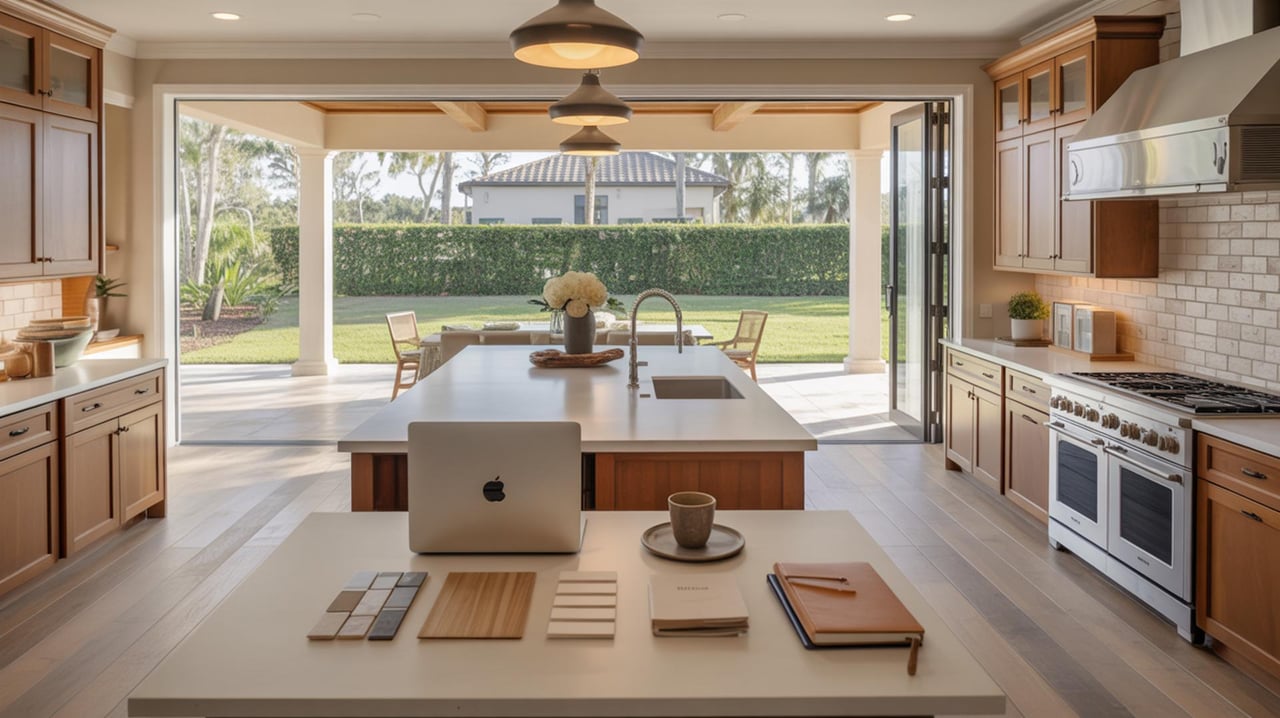
Industry benchmarks consistently show that lower-cost, high-impact projects often recoup the best percentage of cost at resale. Minor kitchen refreshes, midrange bath updates, exterior replacements like garage and entry doors, and curb-appeal improvements tend to perform well. Large luxury gut remodels can boost appeal, but they may not return a high percentage of cost without the right comps.
Use these points as a guide, not a guarantee. Your home’s price tier and neighborhood matter. The right way to translate your upgrades into value is through a neighborhood CMA adjusted for square footage, bed/bath count, and the specific finishes you chose. Pair your CMA with a simple upgrade summary so buyers, appraisers, and underwriters can see the story clearly.
Price it right from day one
In a market with more inventory and longer days on market, getting the first price right matters. Overpricing can lead to a stale listing and later markdowns.
- Ask for a data-backed CMA focused on your micro-area and the last 6–12 months.
- Adjust for your upgrade package and recent sold comps, not just actives.
- Consider precise market pricing or a small competitive edge to drive early showings.
- Prepare a short, buyer-facing upgrade sheet that supports your price.
If you expect a premium because of your renovations, your documentation needs to make it easy for buyers and appraisers to agree with you.
Staging, photos, and tours that sell
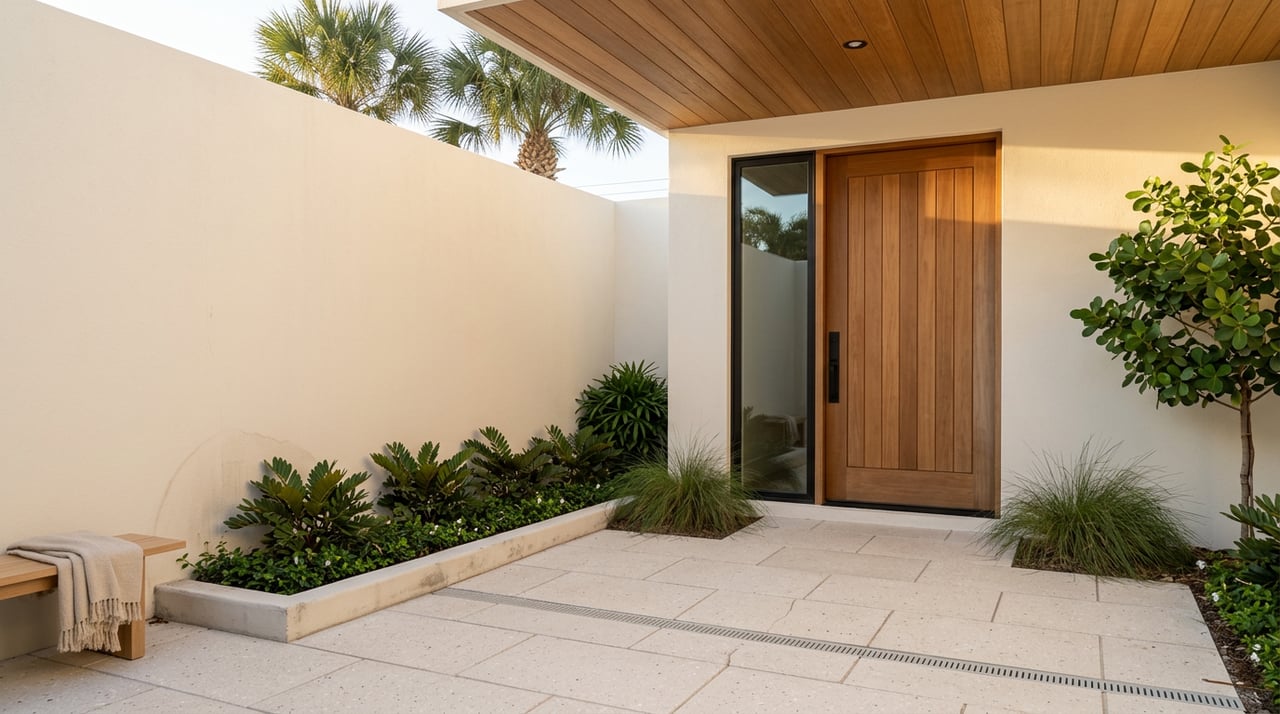
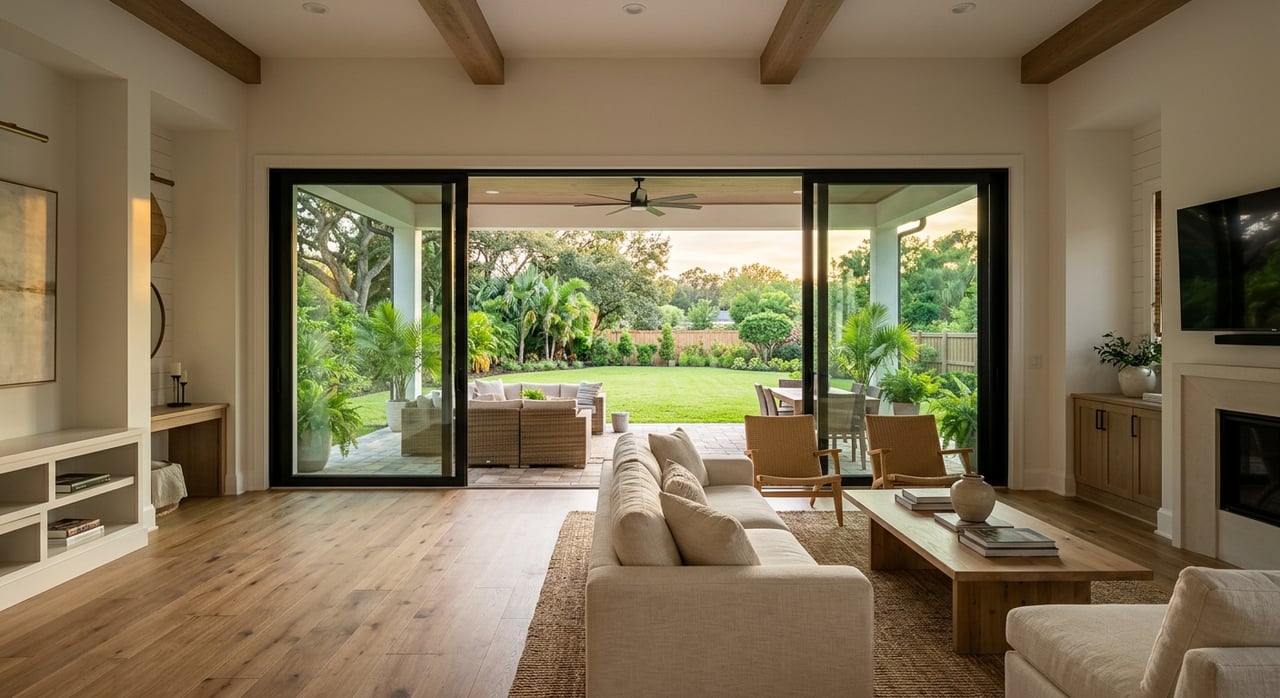
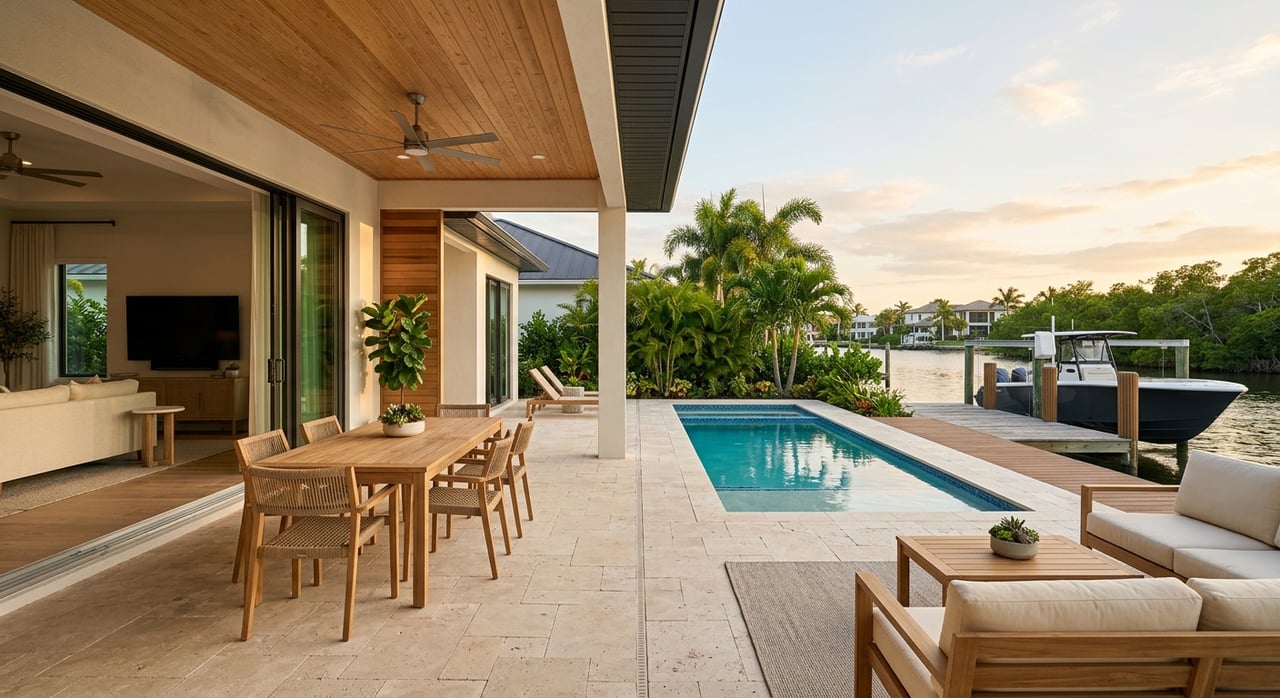
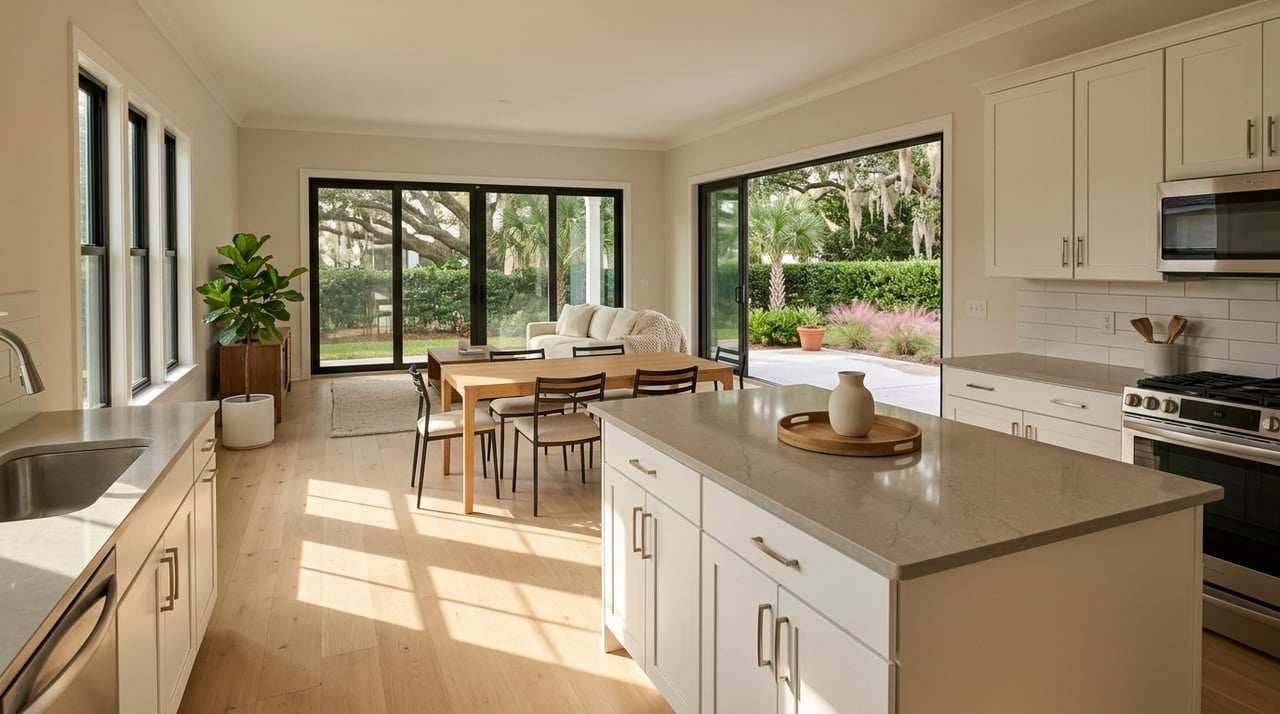
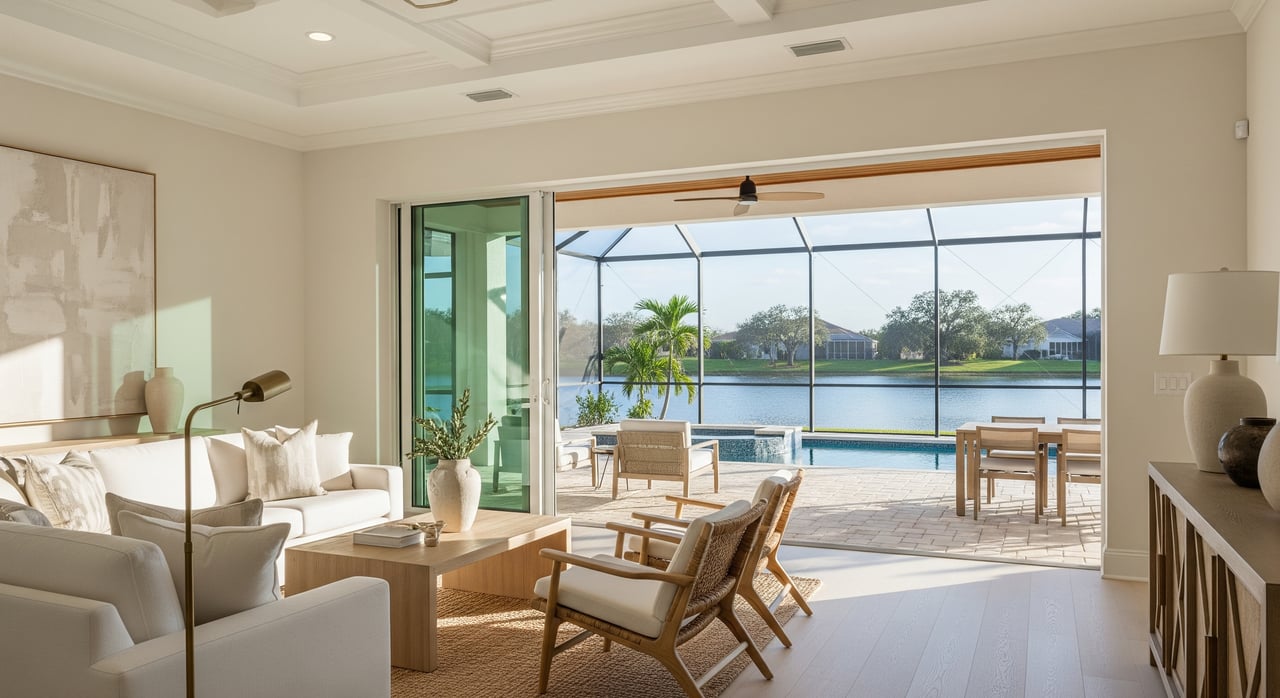
Most buyers start online. Professional photography, clean staging, floor plans, and a quality virtual tour can increase engagement and shorten time on market. Staging guidance from industry groups shows that well-staged homes attract stronger offers and help buyers emotionally justify a premium for turnkey condition.
Practical tips:
- Declutter and depersonalize to let finishes stand out.
- Use neutral styling that complements your updates.
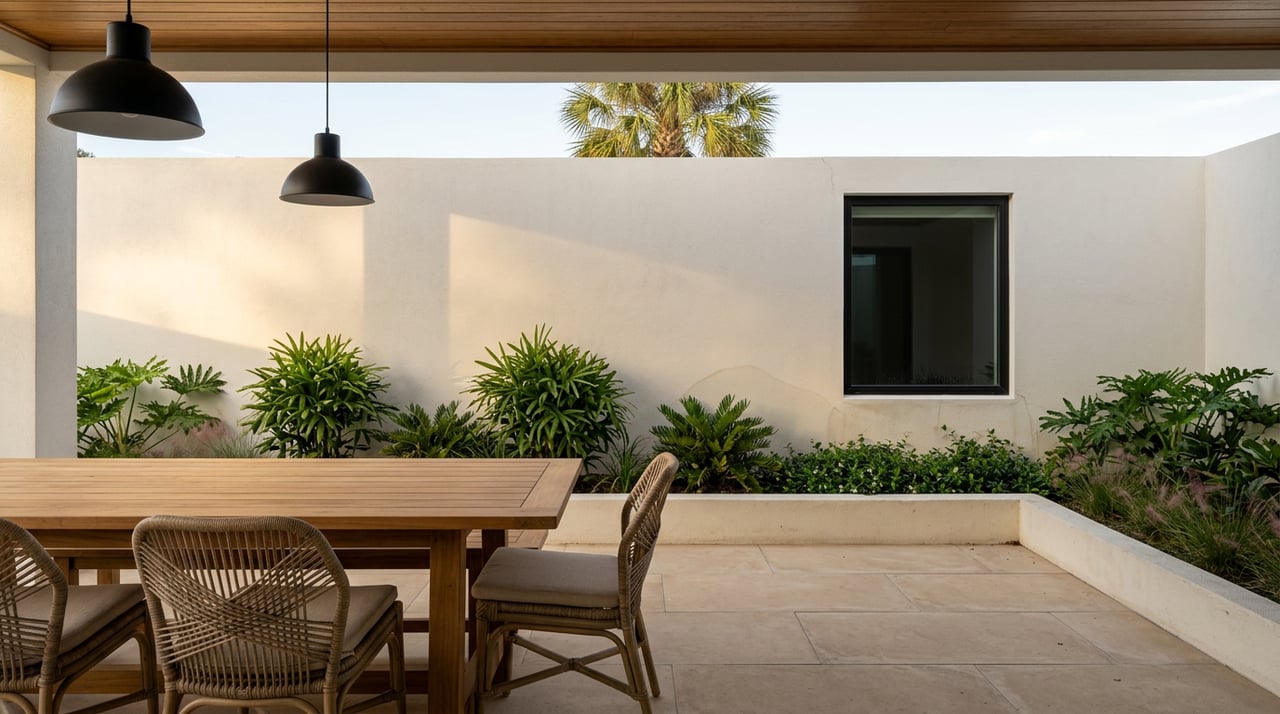
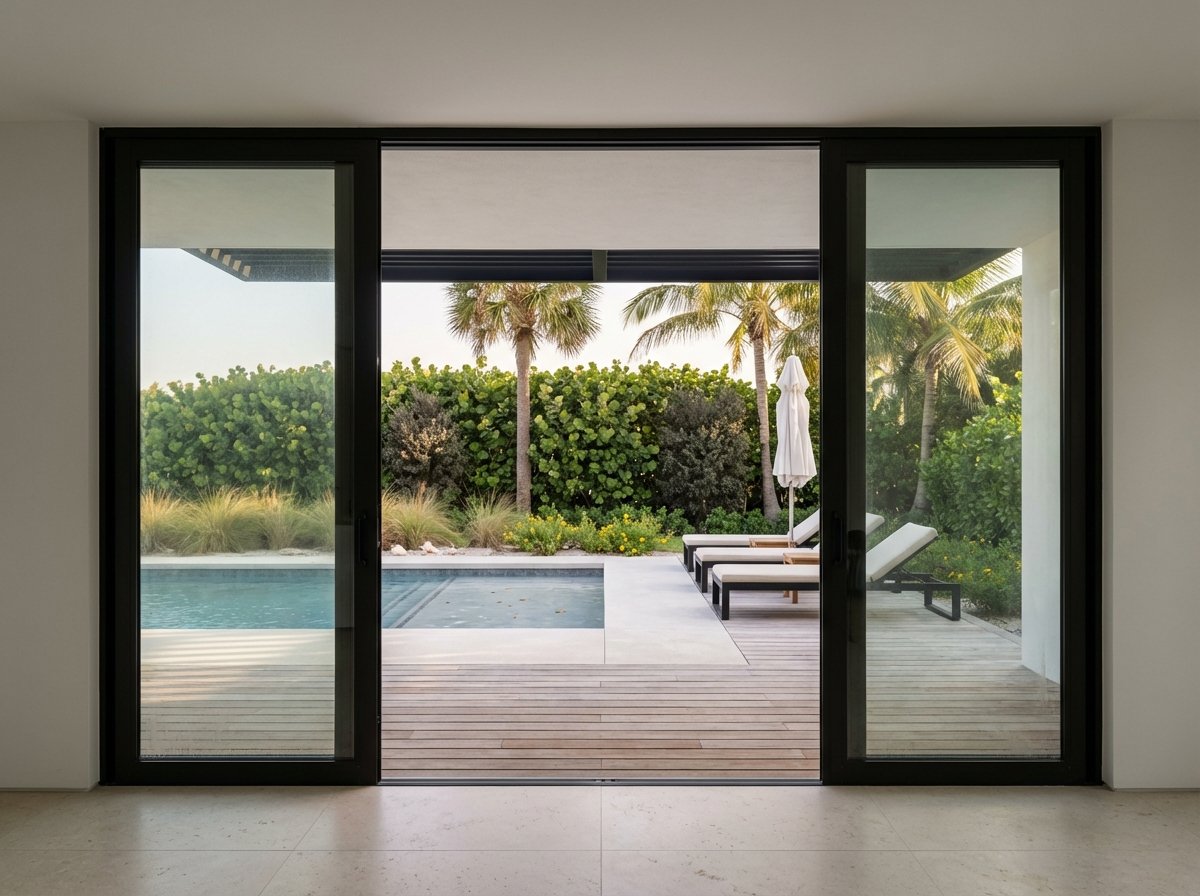
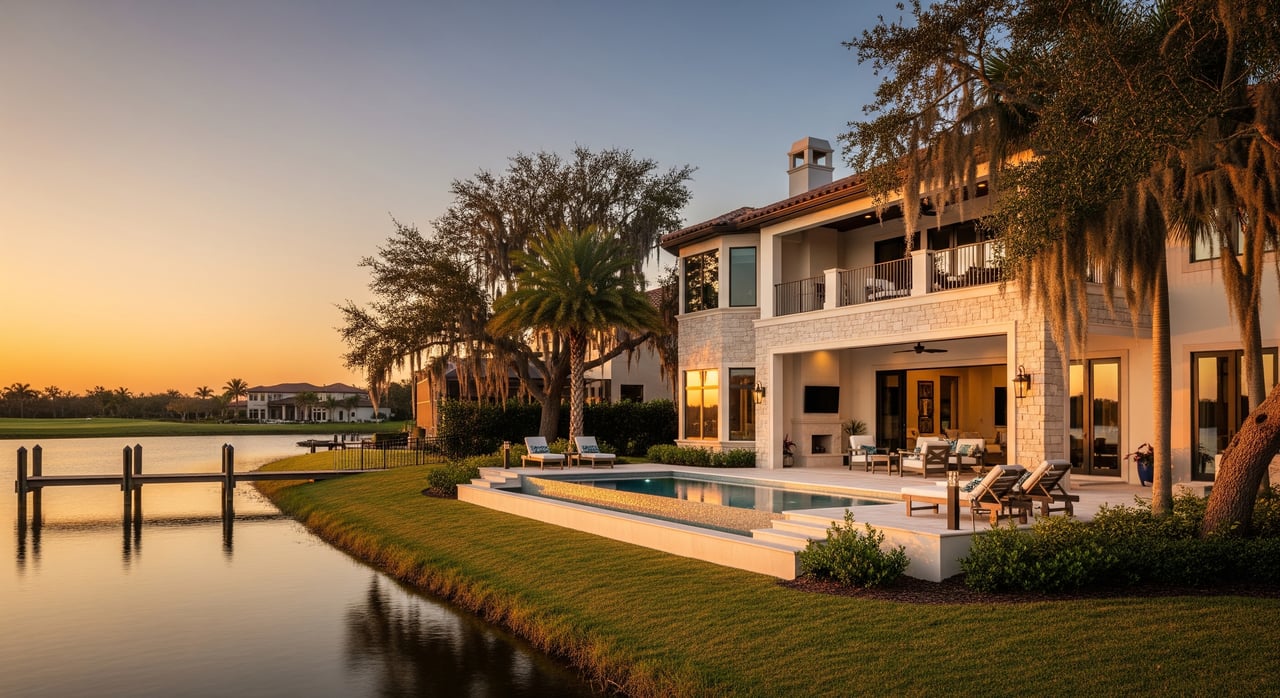
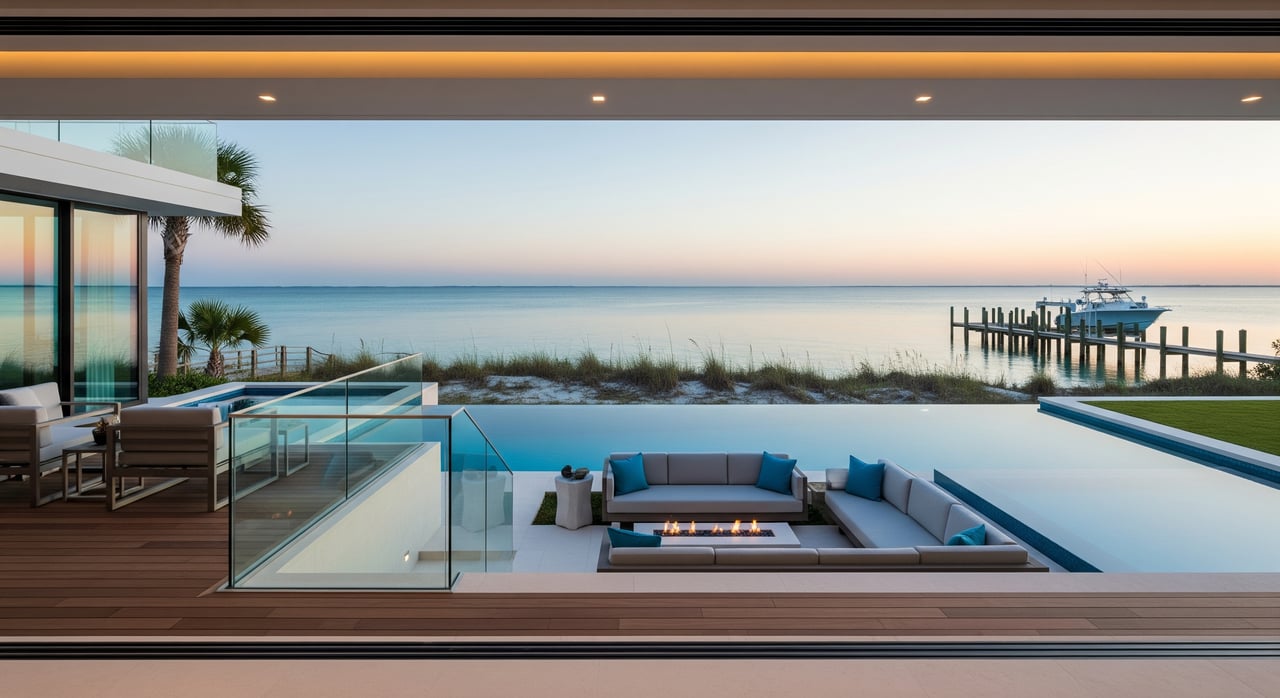
- Add a measured dose of lifestyle appeal, especially for outdoor living and sunset views.
- Include a floor plan and a 3D walkthrough to help distant buyers.
Permits, inspections, and paperwork
Before you launch, button up your documentation. In Clearwater and Pinellas County, many projects require permits and final inspection sign-offs, especially roof, mechanical, window, electrical, plumbing, and structural work. If a project lacks a final, lenders or title companies may require corrective steps.
What to gather:
- Final permits and inspection approvals.
- Receipts, contractor info, and all transferable warranties.
- A clear upgrade list with dates, materials, and model numbers.
- Optional pre-listing inspection with a short plan for minor fixes or credits.
If your property sits in a flood zone, pull any elevation certificates you have and be ready to share your flood history. For condos, add HOA or association documents and recent meeting minutes, since buyers often ask about reserves and insurability.
Flood risk and required disclosures
Be proactive and accurate about flood details. Pinellas County provides flood map tools, and buyers commonly ask about flood status, insurance, and past claims.
- Florida now requires a statutory flood disclosure for residential sales. The form must be provided at or before contract execution and asks about known flood damage, insurance claims, and any assistance received. Complete it truthfully and keep a copy with your listing paperwork.
- If your home is in a Special Flood Hazard Area and you completed substantial improvements, be aware of FEMA’s 50 percent rule. Large renovation costs relative to pre-improvement value can trigger elevation or retrofit requirements. Have your documentation ready and consult local floodplain guidance if needed.
Clear, early disclosure builds trust and keeps deals from unraveling during underwriting.
Time your launch
Timing can add momentum to your sale. Winter and early spring often draw additional out-of-state and seasonal interest to coastal Florida. Spring is a commonly strong listing period, but the best month still varies by neighborhood.
- If you finished near March through May, consider listing quickly to meet peak activity.
- If local inventory is building, a competitive list price paired with a strong first week of marketing can capture early offers.
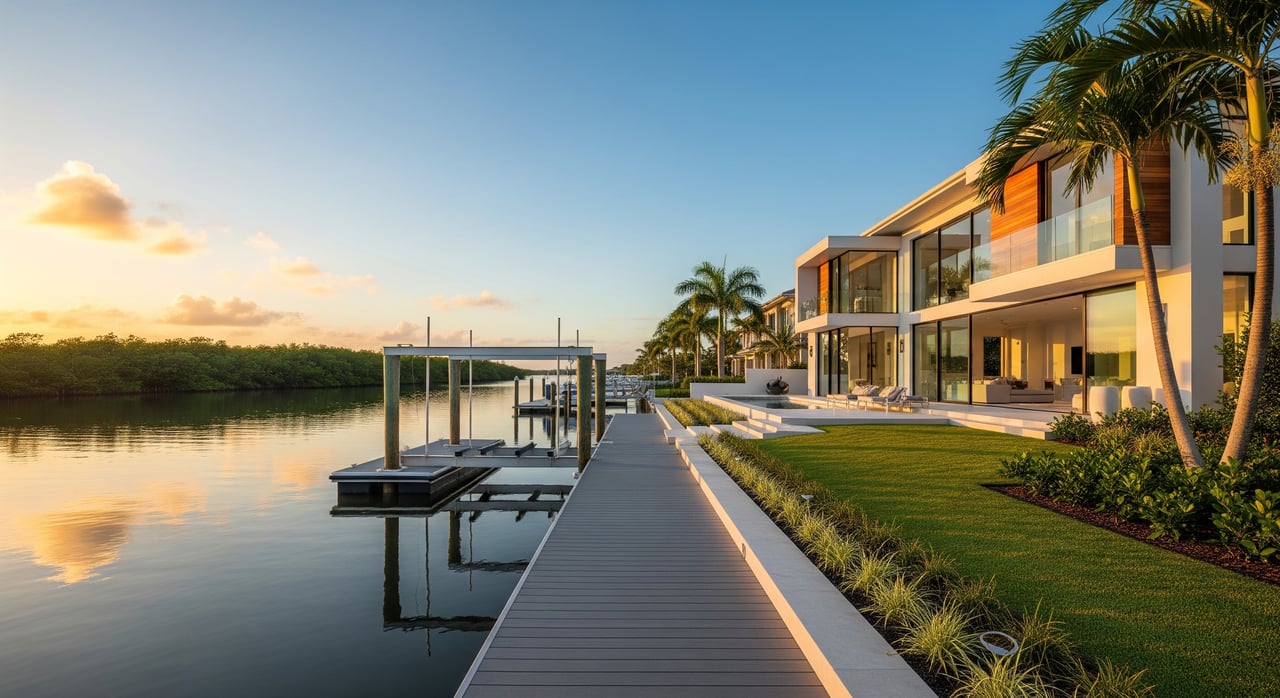
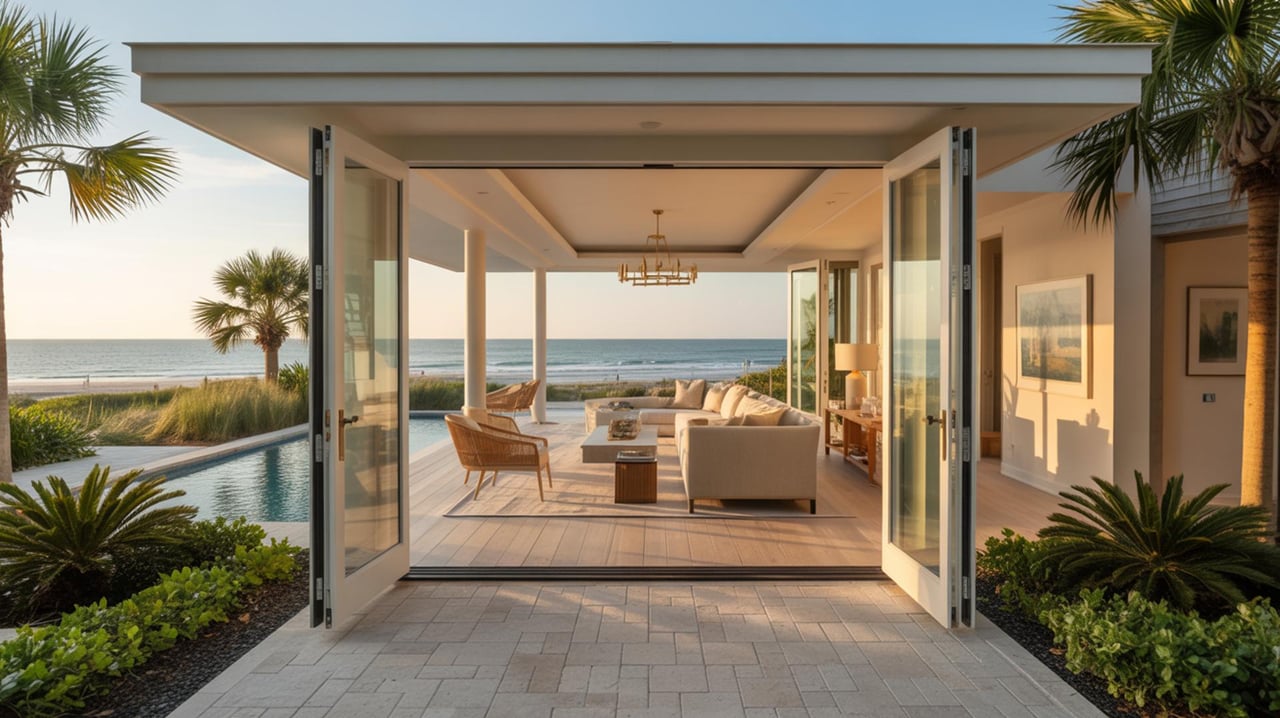
- If you are on the water, align your marketing with great light and sunset imagery so online shoppers feel the lifestyle.
Write a buyer-focused listing description
Use your description to translate costs into benefits. Lead with what matters most to buyers and underwriters.
Include:
- Exact scope of work with completion month and year.
- Permit status and inspection approvals available on request.
- Warranty details and durations for roof, HVAC, windows, and appliances.
- Materials and highlights buyers recognize, such as quartz counters or impact-rated windows.
- Flood and drainage updates with documents summarized in one line.
- Energy or insurance-friendly features, like newer roof, wind mitigation, or efficient systems.
Keep it concise and easy to scan. Aim for clarity over adjectives.
Clearwater pre-list checklist
Documents and disclosures:
- Florida statutory flood disclosure completed and ready to deliver at or before contract.
- Permit records and final inspection sign-offs.
- Contractor receipts and all transferable warranties.
- HOA or condo documents and recent meeting minutes if applicable.
- Professional photos, floor plan, and a virtual tour; staging plan in place.
- Optional pre-listing inspection and a short fixes-versus-credit plan.
- One-page upgrade summary with dates, who did the work, permit notes, and receipts list.
Pre-marketing technical steps:
- Confirm flood zone and gather any elevation certificates you hold.
- If improvements were large and the home is in a floodplain, confirm whether substantial improvement rules apply.
- Verify that all permits are closed to avoid delays at closing.
Open house and online strategy
You get one chance to make a first impression. Plan a coordinated push in week one.
- Launch with complete media and a sharp price.
- Schedule a well-promoted first open house within days of going live.
- Highlight lifestyle spaces in your visuals, especially outdoor living and sunset views.
- Keep your upgrade packet on hand for showings and email it to buyer agents who ask.
Final thoughts
A renovated home gives you an edge in Clearwater, but the edge is only as strong as your pricing, presentation, and paperwork. When you pair a data-backed list strategy with pro visuals and clean documentation, you help buyers say yes faster and with confidence.
If you want a second set of expert eyes on your CMA, permits, or launch plan, reach out. We love helping sellers turn updates into results and market the Tampa Bay lifestyle with care and precision. Connect with Lori Moses to start your plan.
FAQs
What should I expect to recoup on my renovations in Clearwater?
- Benchmarks show minor kitchen refreshes, midrange bath updates, and curb-appeal projects often return a stronger percentage of cost than full luxury gut remodels, but your neighborhood comps decide the real number.
How do I price a renovated home so it does not sit?
- Use a fresh CMA focused on your micro-area, adjust for your exact finishes, and consider precise market pricing that creates early interest instead of testing a high number.
Do I need to close out permits before listing?
- Yes, unresolved permits or missing final inspections can delay financing and closing; verify status and collect approvals before you go to market.
What flood disclosures are required when selling in Florida?
- Florida requires a statutory flood disclosure at or before contract execution that asks about known flood damage, insurance claims, and assistance; complete it accurately and keep a copy with your file.
How should I market a waterfront or barrier-island renovation?
- Lead with lifestyle visuals, then quickly address insurance, assessments, and flood details with documents ready, which builds confidence for waterfront buyers.
Is staging worth it if I already renovated?
- Yes, professional staging and photography help buyers connect emotionally and can speed up the sale by making your upgrades read as truly move-in-ready.