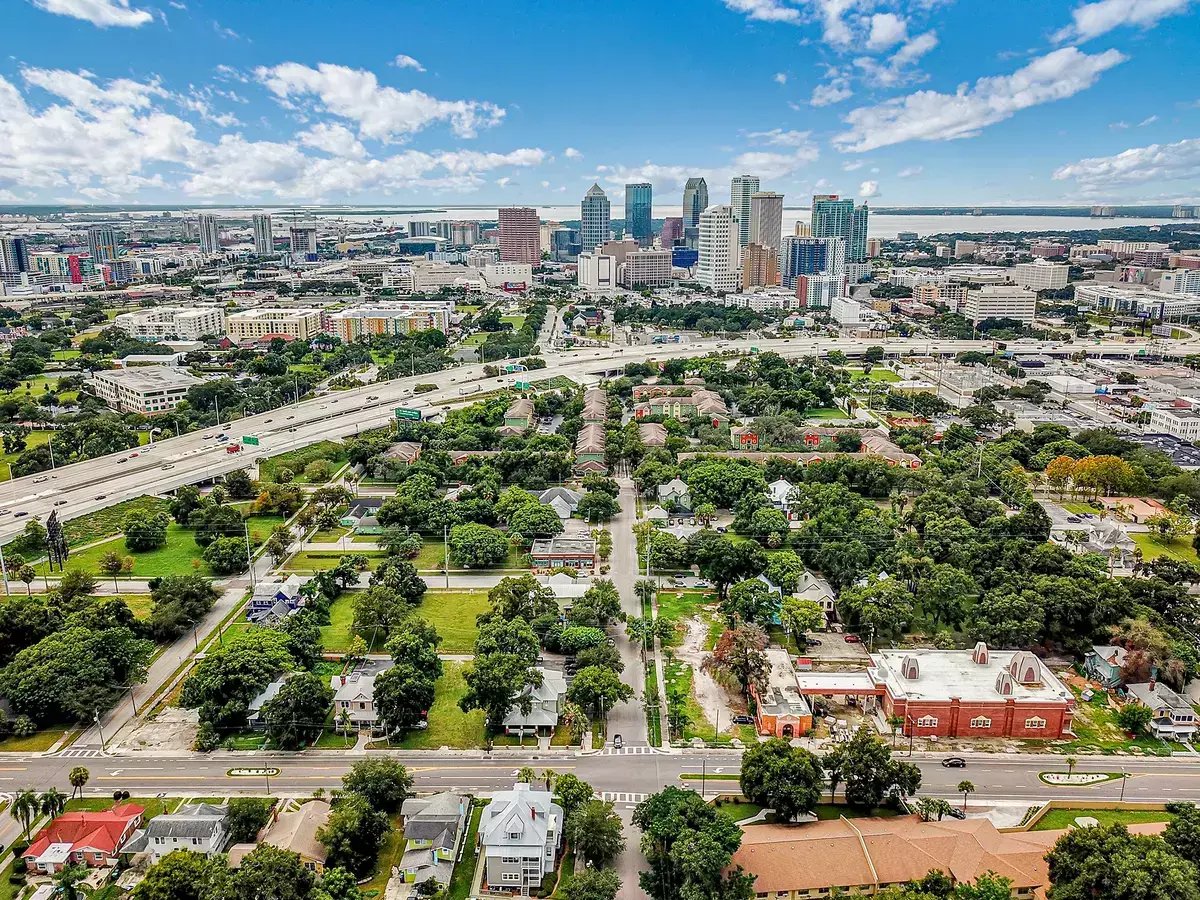
If you are looking for steady Florida rental demand without coastal price tags, Lakeland deserves a hard look. You sit between Tampa and Orlando, close to employers, schools, and major logistics hubs. That mix keeps units leased and creates multiple tenant profiles. In this guide, you will see where the numbers stand today, a simple cash flow example, and a checklist to help you underwrite with confidence. Let’s dive in.
Lakeland at a glance
Prices today
Public data shows Lakeland’s median sale price hovering around the low $300s as of late winter 2026. Redfin reports a median near $304,950 in February 2026 with recent year-over-year strength. Zillow’s typical home value series sits close to $306,000, though some recent months show softer trends in their index. Different vendors use different data cuts, so you will want to confirm your specific submarket with current MLS closed sales.
Rents and demand drivers
Recent rent indexes place Lakeland’s average apartment rent roughly between $1,500 and $1,700 per month, depending on the source and unit mix. RentCafe’s February 2026 snapshot is about $1,507. Zillow’s rental index shows roughly $1,678. Downtown and lake-adjacent pockets tend to command higher rents, often above $1,800 for amenity-forward units.
Demand exists because Lakeland sits on the I-4 corridor and hosts major employers. The region features logistics and retail distribution, a large corporate presence, healthcare networks, and colleges that support a steady renter base. You can explore local anchors and corporate footprint through the Lakeland Economic Development Council.
Inventory and competition
Inventory and days on market have expanded from the ultra-tight 2020 to 2022 phase. That has led to mixed pricing signals across vendors, but it also means more balanced conditions for buyers. You can expect more room to negotiate than during peak frenzy months.
Does buy-and-hold pencil today?
Quick yield math on a median deal
Use a realistic rent range and a representative price to get your first read. Here is a quick snapshot using public medians:
- Purchase price example: $304,950 (Redfin, Feb 2026)
- Rent examples: $1,678 per month (Zillow) or $1,507 per month (RentCafe)
Gross yield is annual rent divided by price.
- At $1,678 per month: 1,678 × 12 = $20,136. Gross yield ≈ 6.6%.
- At $1,507 per month: 1,507 × 12 = $18,084. Gross yield ≈ 5.9%.
This is your top-line screen. To make a buy-or-pass call, you need to model expenses, financing, and risk reserves.
Cash flow example at 20 percent down
Assumptions that mirror recent conditions:
- Price: $304,950
- Down payment: 20%
- Loan: 80% at about 6.0% on a 30-year fixed. See the rate context in this mortgage rate update.
- Vacancy: 5%
- Property management: 8% of effective gross
- Maintenance/reserves: 8% of effective gross
- Property tax: ~1.0% of price annually. Use the Polk County tax estimator for a parcel-level figure.
- Insurance: variable. Florida has seen higher and volatile premiums. Get quotes early.
Worked example using the higher rent case ($1,678 per month):
- Annual gross rent: $20,136
- Effective gross income after 5% vacancy: $19,129
- Operating items (illustrative):
- Property tax ≈ $3,049 per year
- Management + maintenance (16% of effective gross) ≈ $3,061
- Insurance example, low side ≈ $3,340 per year
- Estimated operating expenses ≈ $9,450
- Net operating income (NOI) ≈ $9,679
- Cap rate ≈ 3.2%
Financing at 6.0%: loan of $243,960 yields a monthly payment near $1,463, or about $17,551 annually. That makes cash flow about negative $7,872 per year in this baseline.
If insurance runs higher than the low-side example, cap rate shrinks and cash flow turns more negative. Florida insurance is a swing factor, so give it real weight in your model.
What this means for you: with typical rates and costs today, many small single-family rentals in Lakeland do not produce positive cash flow unless one or more of the following is true:
- You buy significantly below market.
- Your rents are well above city averages for the micro-location and unit type.
- You secure more favorable financing.
- You buy all cash and prioritize long-term appreciation and tax benefits instead of immediate cash flow.
Where buy-and-hold can work
Property types that fit
- Single-family homes. Easy to lease to local working households and commuters. Per-door costs can be higher, so buy right and plan for reserves.
- Small multifamily, roughly 2 to 8 units. Better economies of scale and often more favorable per-door numbers if acquired at the right basis.
- Condos and townhomes. Watch HOA rules and dues. Some HOAs limit rentals or add fees that can erase cash flow.
- Newer townhome communities. Attractive to renters, but always confirm rental policies and assess fee impact.
Submarkets to evaluate
- Downtown and lake-adjacent areas. These pockets often command rents above the city average due to amenities and access.
- Corridors around Lake Parker, Lake Gibson, and Lakeside Village. Some properties in these areas see solid demand and rental strength. Confirm block-by-block comparables.
- South Lakeland and areas near Polk Parkway. Appealing to commuters heading to Tampa and Plant City. Proximity to major employers supports the rental market.
Keep your language neutral when assessing schools and neighborhoods. Focus on data: rent comps, time-on-market, and verified lease terms.
Key risks to price in
Insurance cost volatility in Florida. Premiums have been elevated and variable. Inland Polk County can be cheaper than coastal counties, but statewide issues still matter. Review current context in this Bankrate analysis on Florida insurance and recent Insurance Information Institute commentary. Always obtain multiple quotes tied to the specific address and building details.
Property taxes vary by municipality and may change each year. Use the Polk County property tax estimator at the parcel level and check for special districts or assessments.
Landlord-tenant timelines. Florida Chapter 83 sets clear notice rules, including a 3-day notice for nonpayment. Read the statute text for the steps and exceptions in Florida’s Chapter 83 and verify local court procedures.
Flood and hurricane exposure. Verify FEMA flood zones and any flood-insurance requirement. Factor flood premiums and wind deductibles into your pro forma.
HOA and condo restrictions. Some associations limit long-term rentals, cap investor ratios, or add registration fees. Ask for full documents and recent meeting minutes.
Short-term rental rules. City and county requirements differ across Florida. Do not assume STR income until you confirm zoning, registration, and enforcement policies.
Maintenance and management. Single-family homes can carry higher per-door maintenance. Budget for roofs, HVAC, plumbing, electrical, pest treatments, and turns. Expect 6 to 12 percent vacancy and turnover costs in busy seasons.
Underwriting checklist
Run this list before you write an offer:
- Rent comps for your exact submarket. Pull current signed leases when possible. Compare to third-party rent indexes and verify unit type, square footage, and amenities.
- MLS closed sales, days on market, and list-to-sale ratios for your micro-area. Small blocks can perform differently from city medians.
- Insurance quotes for the address. Price wind, flood if applicable, and replacement-cost coverage. Use a conservative range. The Florida backdrop makes this critical. See high-level context in the Bankrate Florida insurance overview.
- Parcel-level tax estimates and any special assessments with the Polk County estimator.
- HOA documents, if applicable. Confirm rental policies, caps, transfer fees, special assessments, and any pending rule changes.
- Full inspection and contractor estimates. Pay close attention to roof age, HVAC, plumbing, electrical, and termite history.
- Local code and registration rules for rentals. Check City of Lakeland and Polk County requirements.
- Sensitivity tests. Stress your model for lower rents, higher rates, and higher insurance. A simple run could be rents minus 10 percent, rates plus 1 percent, insurance plus 25 percent.
- Financing pre-approval or rate-lock options. Model both a 6 to 7 percent 30-year scenario and an all-cash case. You can monitor broad mortgage context in updates like this rate summary.
Key metrics to compute every time:
- Gross yield = annual rent divided by purchase price.
- Cap rate = NOI divided by purchase price, using conservative expense assumptions.
- Cash-on-cash = annual cash flow divided by cash invested.
- Break-even rent = rent needed to cover mortgage plus operating expenses.
Bottom line
Lakeland is an affordable inland Florida market with durable demand drivers. Public medians cluster in the low $300s, and citywide average rents fall around $1,500 to $1,700 per month. With today’s typical financing, many single-family purchases will show modest cap rates and can run negative cash flow unless you buy at a discount, realize above-average rents for the submarket, or bring advantaged financing or cash. Insurance is the wild card that can swing your pro forma.
Where Lakeland can shine is for value-focused investors who buy below market, lean into small multifamily for better per-door numbers, or operate with cash and a long view on appreciation and tax benefits. If you combine disciplined underwriting with local rent and expense verification, you can find durable, steady performers that hold up over time.
Ready to evaluate a specific property or build a Lakeland shortlist? Connect with Lori Moses for parcel-level comps, rent checks, and an underwriting review tailored to your goals.
FAQs
What are current Lakeland home prices for rentals?
- Public sources show medians in the low $300s as of February 2026. Confirm your exact neighborhood with recent MLS closed sales and active competition before offering.
What average rents should I use in my pro forma?
- Recent indexes place citywide averages around $1,500 to $1,700 per month. Verify with signed leases for comparable homes near your target property and adjust for unit size and amenities.
How do Florida insurance costs affect cash flow in Lakeland?
- Insurance is one of the largest variables in your model. Premium increases can compress cap rates and turn cash flow negative. Obtain multiple quotes and stress-test higher scenarios.
Is a small multifamily better than a single-family rental here?
- Often, yes. Duplex to 8-unit properties can lower per-door costs and support stronger pro formas if acquired at the right basis. Confirm actual rents, expenses, and any zoning or registration rules.
Are short-term rentals a good buy-and-hold strategy in Lakeland?
- Short-term demand is more limited than coastal markets, and rules vary. Confirm city and county regulations and realistic occupancy before assuming STR income in your underwriting.
What financing assumptions are reasonable for 2026 purchases?
- A 30-year fixed near 6 percent has been a recent benchmark. Model a range, such as 6 to 7 percent, and compare to an all-cash scenario to understand sensitivity to rates.
How quickly can landlords act on nonpayment in Florida?
- Florida Chapter 83 provides a 3-day notice period for nonpayment and outlines timelines for other violations. Review the statute and local court practices before you file.