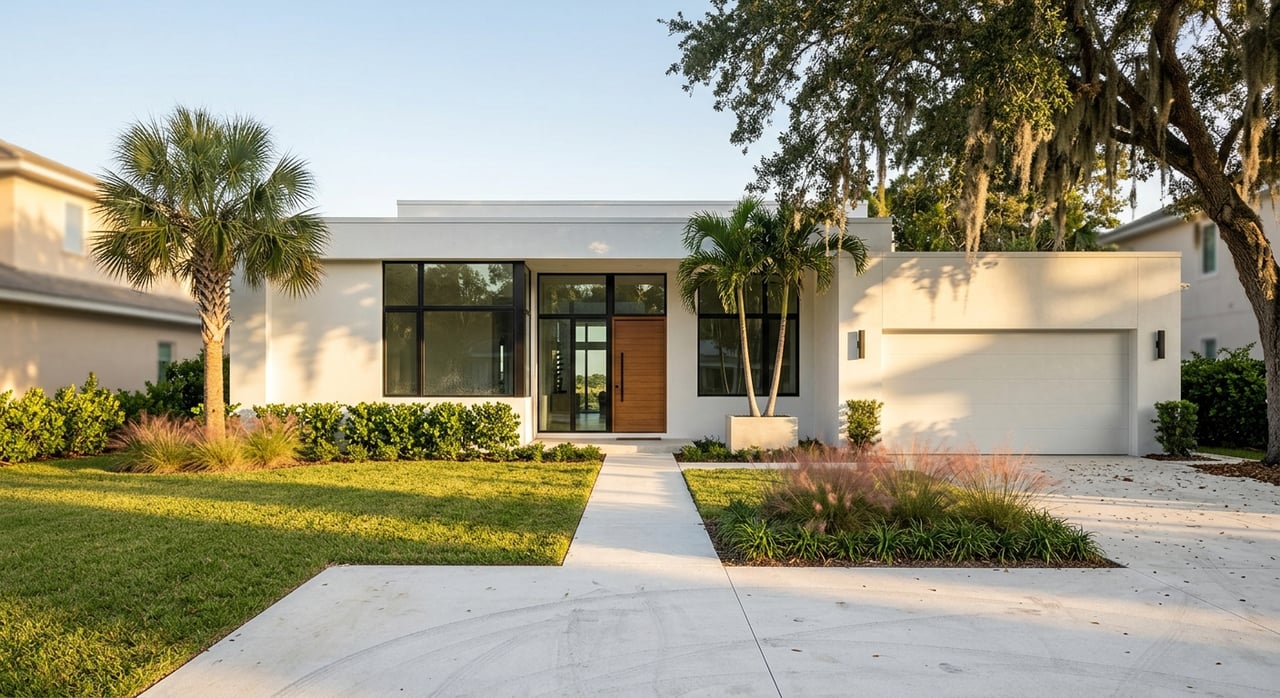
Thinking about moving to Sarasota? It is easy to fall for the beaches, downtown energy, and Gulf Coast lifestyle, but a smooth move takes more than scrolling listings. If you are relocating from out of town, you need a plan that fits Sarasota’s timing, market conditions, and day-to-day realities. This step-by-step guide will help you narrow your search, tour smarter, and prepare for a distance-friendly closing with more confidence. Let’s dive in.
Start With Sarasota Timing
A Sarasota move works best when you plan around the market, not just the home you like online. Sarasota County’s population reached 479,027 in 2024, up from 434,006 in 2020, while the City of Sarasota grew to 57,943 from 54,842. That steady growth helps explain why relocating buyers should start early and stay organized.
The local market has also shifted. In the March 2026 RASM report, Sarasota County single-family homes posted 890 closed sales, a median sale price of $485,000, 4.8 months of supply, 49 median days on market, and about 88 days to close. Condos and townhomes had 455 closed sales, a median sale price of $359,500, and 8.1 months of supply, which points to a more balanced and strategic market than the fast-moving conditions many buyers remember.
Seasonality matters too. Visit Sarasota County notes that tourism is the county’s top industry, with winter as the peak season and March also bringing spring-break traffic. If you tour during those months, your experience with traffic, parking, beach access, and showing availability may feel very different from a shoulder-season visit.
If you are moving during hurricane season, build in extra time. NOAA says Atlantic hurricane season runs from June 1 through November 30. During that period, insurance, inspections, and closing coordination may require more lead time.
Build Your First-Pass Filters
Before you book showings, decide what really matters in your next home. This first-pass filter saves time and keeps you from falling for homes that do not fit your lifestyle or long-term costs. In Sarasota, that is especially important because location can affect everything from commute patterns to flood exposure.
A smart relocation filter usually includes:
- Your target budget range
- Your comfort level with flood exposure
- Your school attendance needs
- Your commute tolerance
- Your remote work setup needs
For many buyers, remote work flexibility is part of the move. Sarasota County offers a useful starting point, with 92.9% of households reporting a broadband internet subscription and a mean travel time to work of 24.5 minutes. That does not replace checking service at a specific address, but it does show Sarasota can support a range of work and lifestyle needs.
Verify Schools by Address
If school attendance is part of your home search, check it early and by property address. Sarasota County Schools provides an official attendance-zone lookup, which matters because school assignment should not be assumed from a neighborhood name alone.
This is one of the most common relocation mistakes. A home may be in the area you want, but the assigned attendance zone may not match your expectations. Verifying this upfront can help you avoid reworking your shortlist later.
Check Flood and Evacuation Zones Early
In Sarasota, flood and evacuation research should happen before you get emotionally attached to a property. The City of Sarasota directs buyers to Sarasota County’s flood zone locator to determine whether a property is in a FEMA-designated or community flood hazard area. The county’s evacuation-zone app can also identify a hurricane evacuation zone by address.
This is not just a technical detail. Flood zone and evacuation status can affect insurance planning, comfort level, and how you compare one home to another. It is also worth knowing that Sarasota County’s FEMA flood maps were updated effective March 27, 2024, so use current address-based tools when screening homes.
Understand Homestead Timing
If the Sarasota home will become your primary residence, homestead timing belongs on your checklist from day one. Sarasota County’s Property Appraiser says qualification depends on being a Florida resident who owns and occupies the property as a permanent residence on January 1. The application deadline is March 1.
That timeline can matter more than buyers expect, especially when you are moving across state lines. If your purchase timing is close to year-end, it helps to understand how your move-in date may affect planning for the next tax year.
Compare Sarasota by Lifestyle
Once your filters are set, start comparing Sarasota areas by how you want to live. Price matters, but daily routine often matters more after the boxes are unpacked. Sarasota is easier to evaluate when you group your options into broad lifestyle buckets first.
Downtown Sarasota
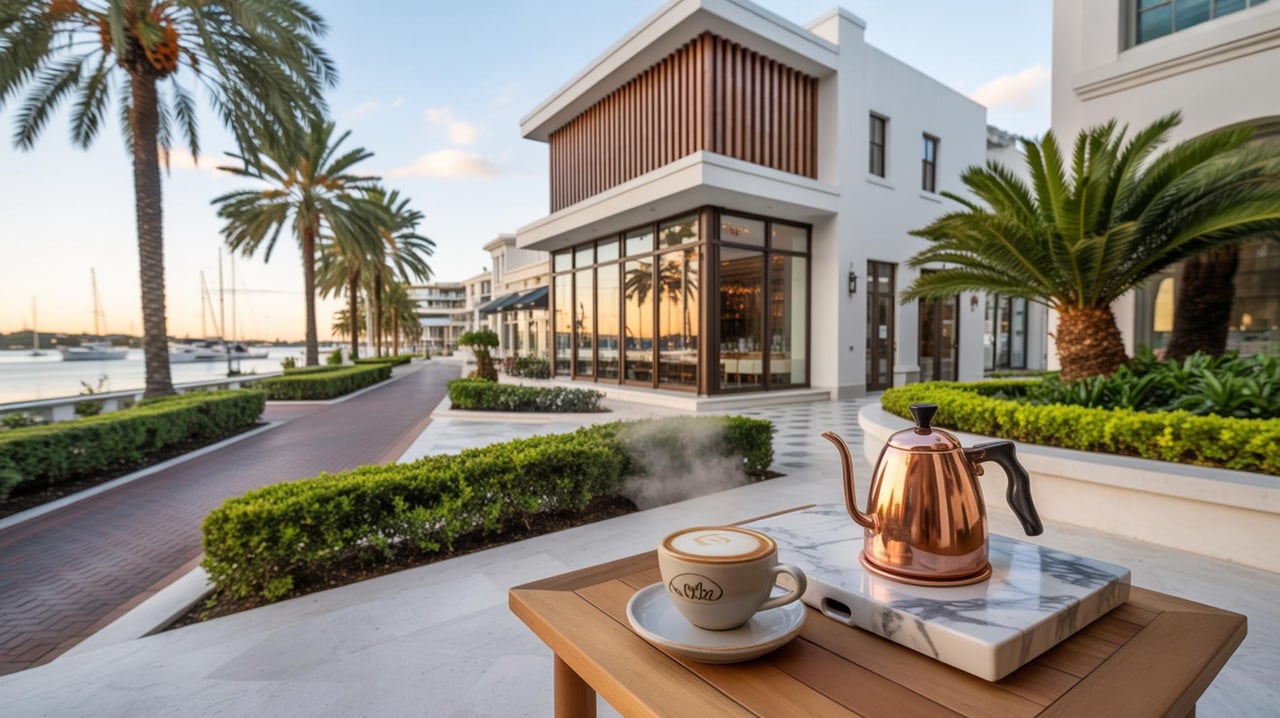
Downtown Sarasota is the practical choice for buyers who want a more urban, walkable setting. The city highlights its downtown core, neighborhood network, and local GIS tools, and it notes that downtown has more than 1,300 covered parking spaces. That mix can appeal if you want restaurants, arts, and convenience without giving up access to your car.
Another useful feature is the Bay Runner trolley. The city offers this free service between downtown Sarasota, St. Armands Circle, and Lido Key. For relocating buyers, that can be a helpful clue when you are weighing walkability, beach access, and a lighter driving routine.
Beach and Barrier Islands
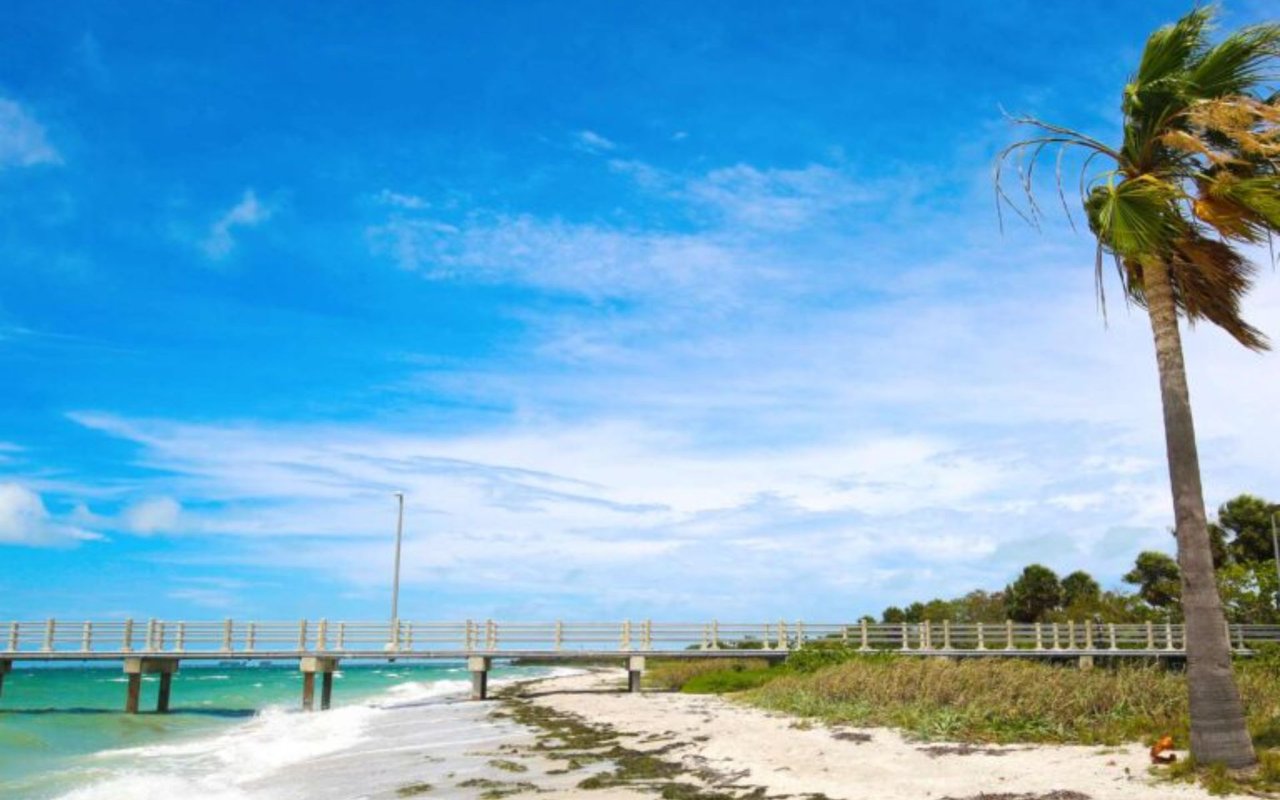
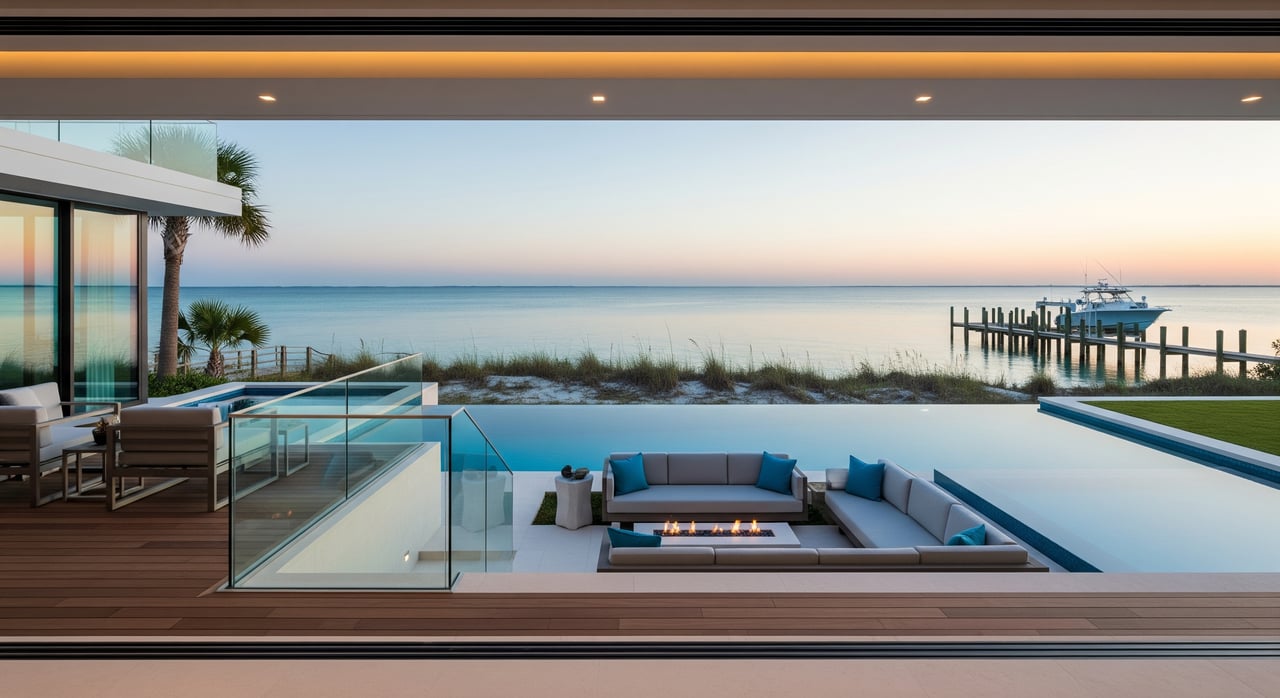
If your Sarasota vision includes coastal scenery and easy beach access, the barrier islands deserve close attention. Visit Sarasota highlights Siesta Key, Lido Key, St. Armands Circle, and the connection these areas share with downtown. These locations can offer a very different day-to-day feel from inland neighborhoods.
Siesta Key is described by Visit Sarasota as an island setting with trolley access and a strong beach-and-village identity. St. Armands is closely tied to Lido Key and downtown, which gives buyers another way to compare convenience, coastal atmosphere, and lifestyle preferences.
Inland Sarasota Options
For buyers who want more space, less tourist pressure, or a simpler year-round routine, inland Sarasota County may be worth stronger consideration. The City of Sarasota’s neighborhood association map and GIS layers can help you compare these areas more carefully.
This category can be especially useful if your priorities lean toward everyday functionality. If you want easier parking, more room, or a search less influenced by peak visitor season, inland areas may better match your goals.
Tour at Different Times
One of the smartest things you can do as a relocating buyer is visit your top areas at different times of day. If possible, visit in more than one season too. Sarasota can feel very different in winter than it does in the shoulder months.
A winter visit may reveal peak traffic, beach crowds, and parking pressure. A shoulder-season visit may give you a clearer picture of how the area lives on a regular week. Since winter is Sarasota County’s peak tourism season, seeing both versions can help you make a more grounded decision.
Prepare for a Remote-Friendly Closing
If you are buying from out of town, Florida offers tools that can make the closing process easier. The Florida Department of State says the state’s Remote Online Notary law has been in effect since January 1, 2020. It allows qualified Florida notaries to perform online remote notarizations using required identity proofing, credential analysis, and audio-video recording.
Sarasota County also supports distance coordination on the recording side. The Sarasota Clerk and Comptroller says documents that were once mailed or hand-delivered can now be processed through e-Recording. For many relocating buyers, that can reduce the need for a last-minute return trip, depending on how the title or closing team is set up.
Use a Simple Sarasota Search Checklist
When you are relocating, a clear checklist can keep the process manageable. Instead of trying to solve everything at once, move step by step.
Here is a practical Sarasota home search sequence:
- Review current Sarasota market timing and pricing.
- Set your budget, commute, flood, school, and remote work filters.
- Verify school attendance zones by property address.
- Check flood and evacuation zones before touring seriously.
- Compare downtown, beach, and inland lifestyle options.
- Visit at different times of day and, if possible, in different seasons.
- Line up financing documents and pre-approval early.
- Get homeowners and flood insurance quotes as early as possible.
- Confirm your closing team can support remote signing and recording.
- Track homestead timing if the home will be your Florida primary residence.
A relocation move to Sarasota can be exciting and very doable when you approach it with the right structure. The goal is not just to find a house you like. It is to choose a home that fits how you want to live, what you want to spend, and how smoothly you want your move to unfold.
If you want a local guide who can help you sort through Sarasota options with both lifestyle and practical insight, connect with Lori Moses.
FAQs
What is the current Sarasota housing market like for relocating buyers?
- As of the March 2026 RASM report, Sarasota County single-family homes had a median sale price of $485,000, 4.8 months of supply, 49 median days on market, and about 88 days to close, while condos and townhomes had a median sale price of $359,500 and 8.1 months of supply.
When is the best time to visit Sarasota during a relocation home search?
- It depends on what you want to evaluate. Winter shows peak tourism conditions like heavier traffic and busier beaches, while shoulder-season visits may give you a clearer picture of everyday livability.
How should you check school zones when moving to Sarasota?
- Use Sarasota County Schools’ official attendance-zone lookup and verify each property by address rather than assuming a school assignment based on neighborhood name.
Why do flood zones matter when buying a home in Sarasota?
- Flood zone status can affect insurance planning, carrying costs, and your comfort level with a property, so it is smart to use Sarasota County’s address-based flood zone and evacuation tools early in your search.
Can you close on a Sarasota home remotely?
- Yes, Florida allows qualified remote online notarization, and Sarasota County supports e-Recording, which can make a distance-friendly closing more manageable for relocating buyers.
What should primary-residence buyers know about Sarasota homestead timing?
- Sarasota County says homestead qualification depends on owning and occupying the home as your permanent Florida residence on January 1, and the application deadline is March 1.