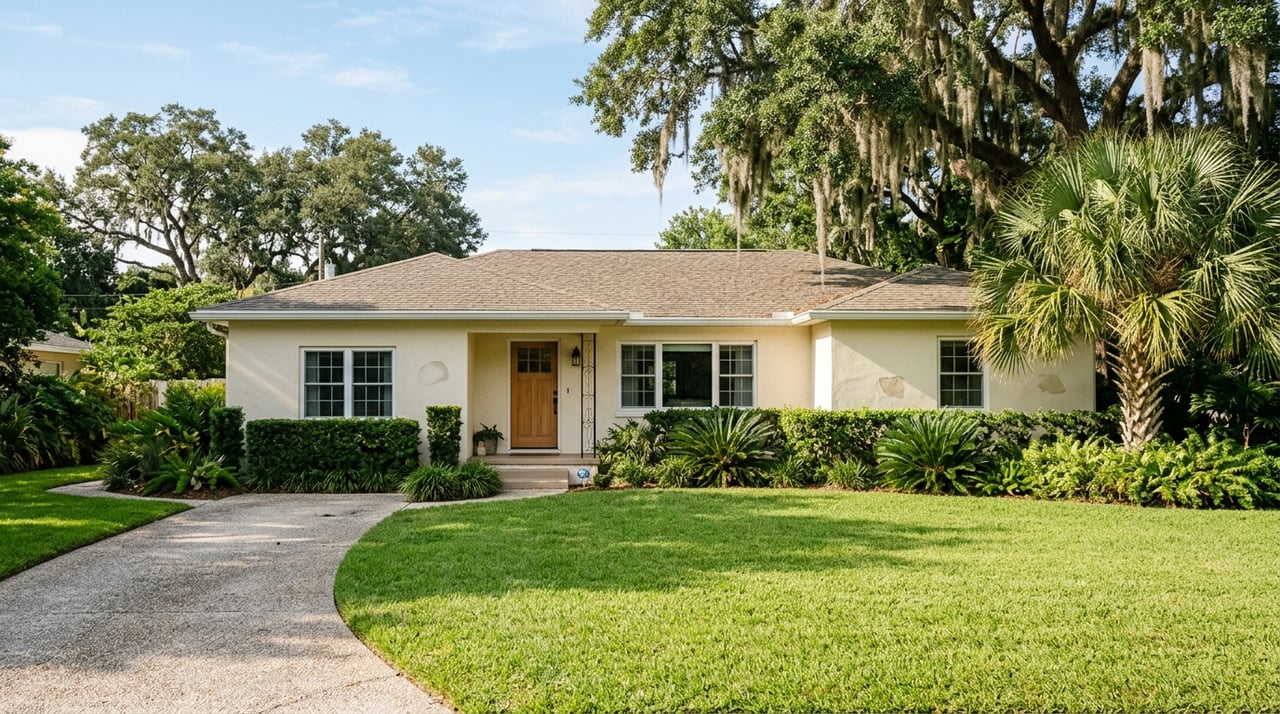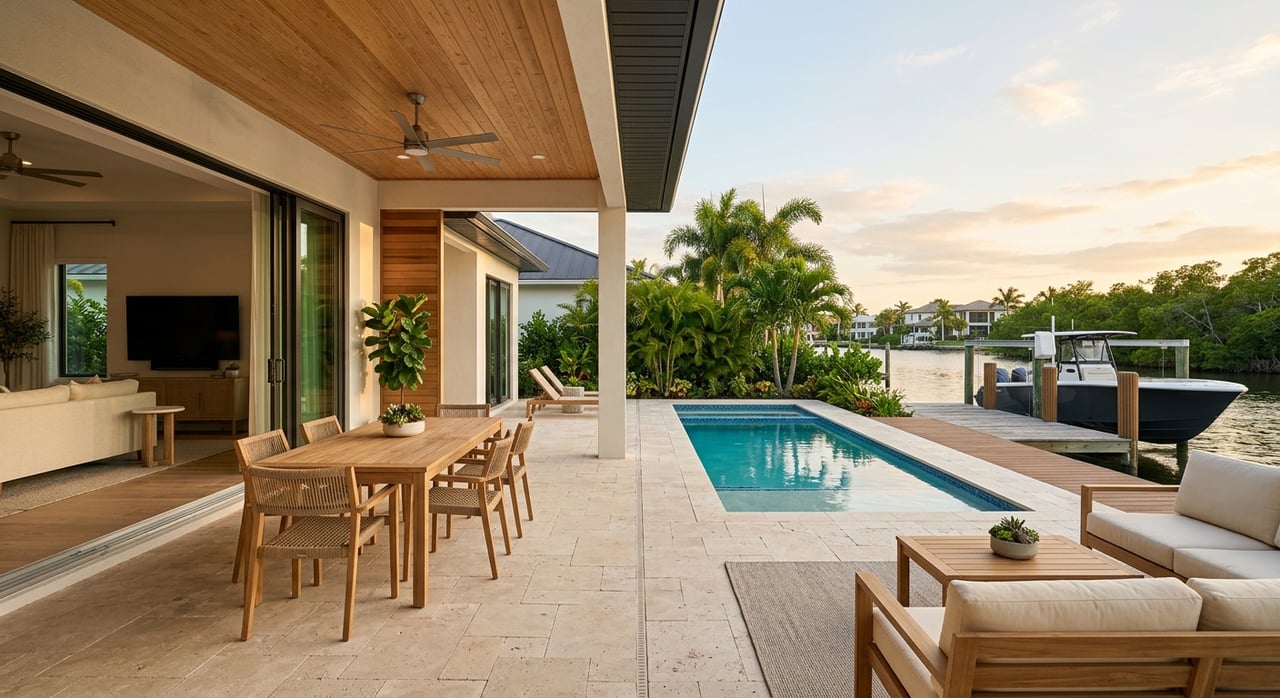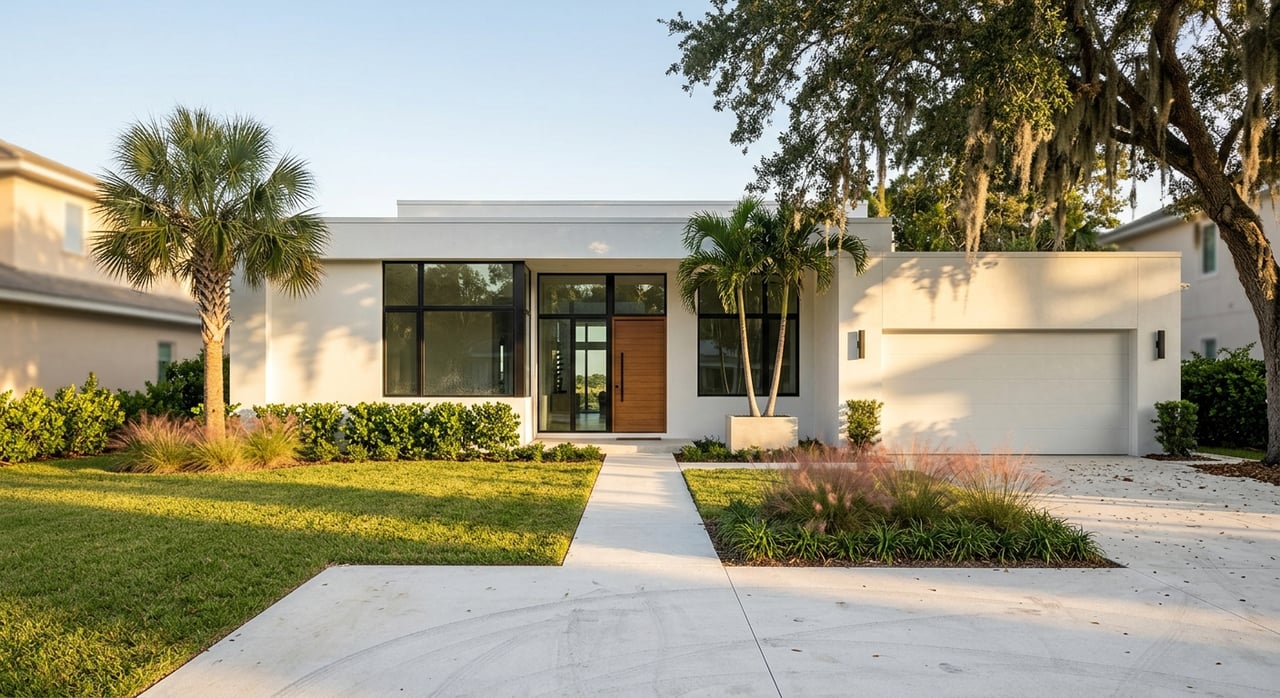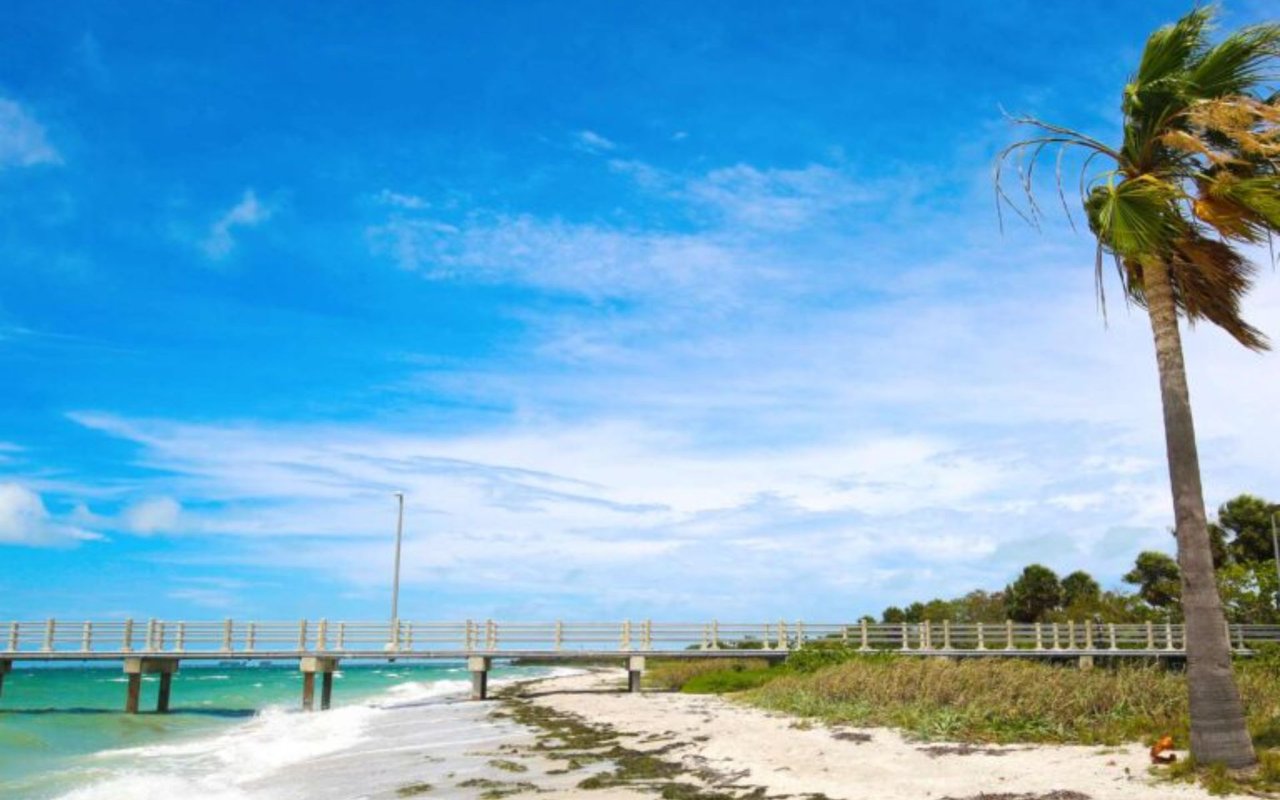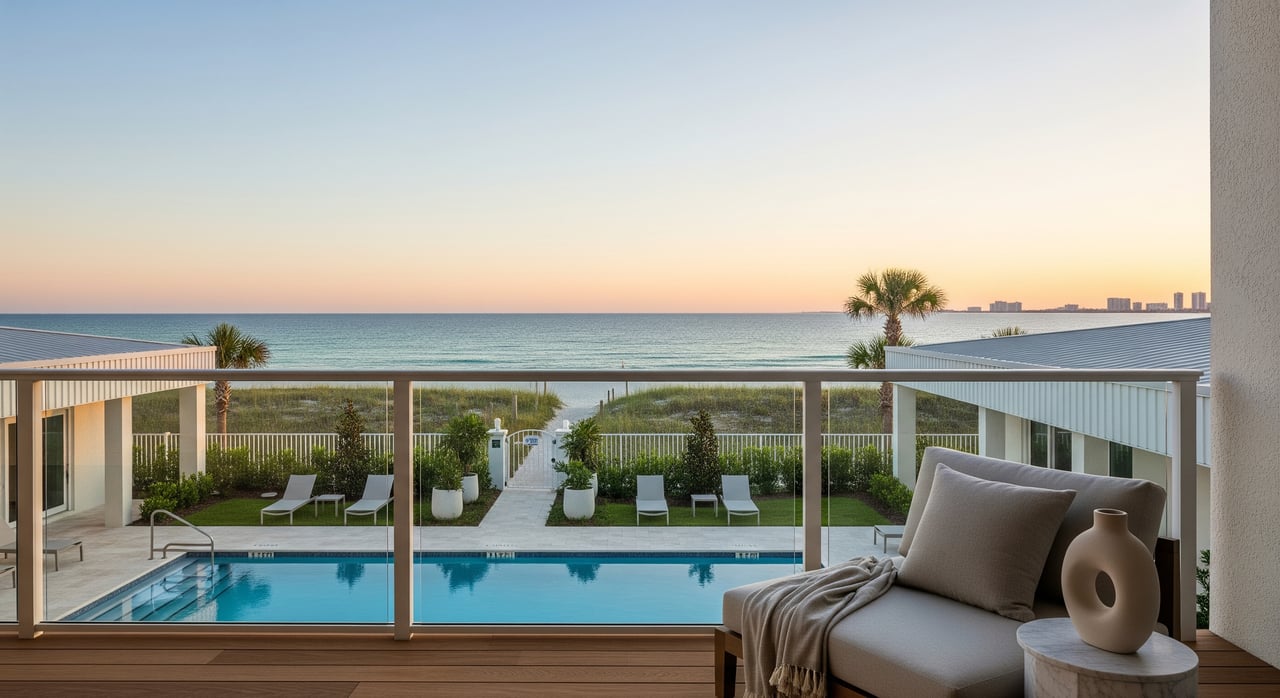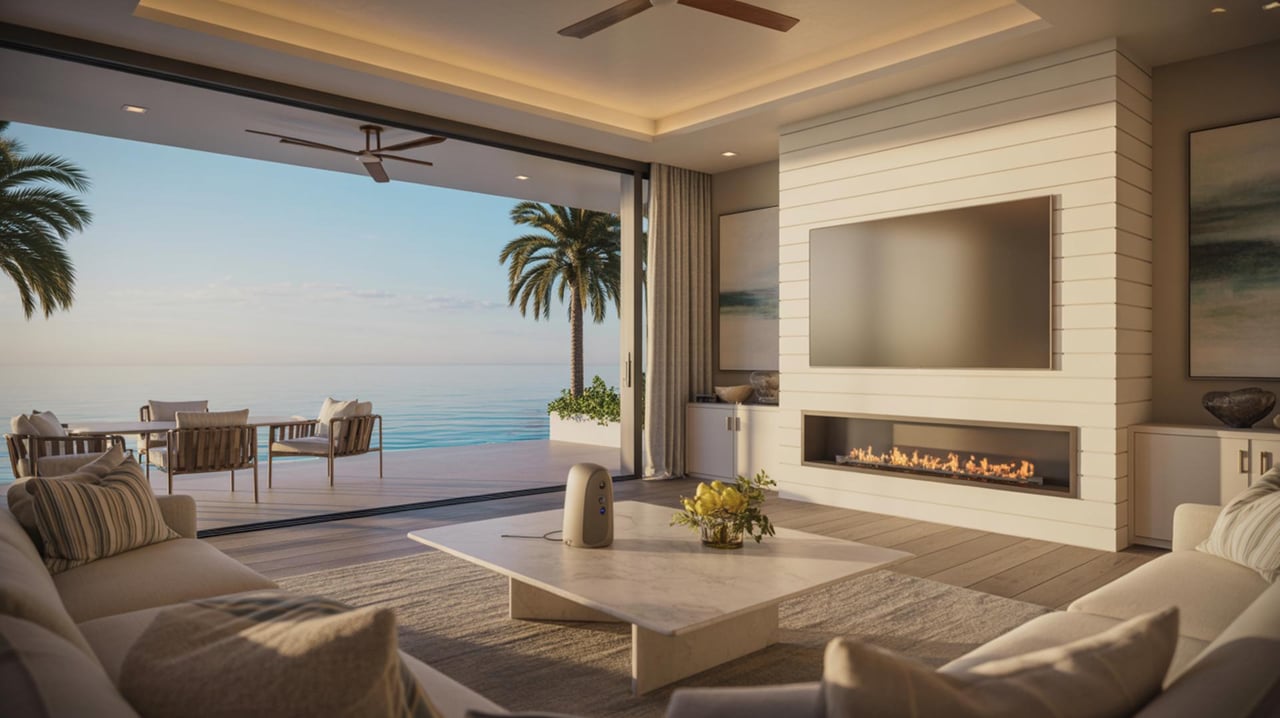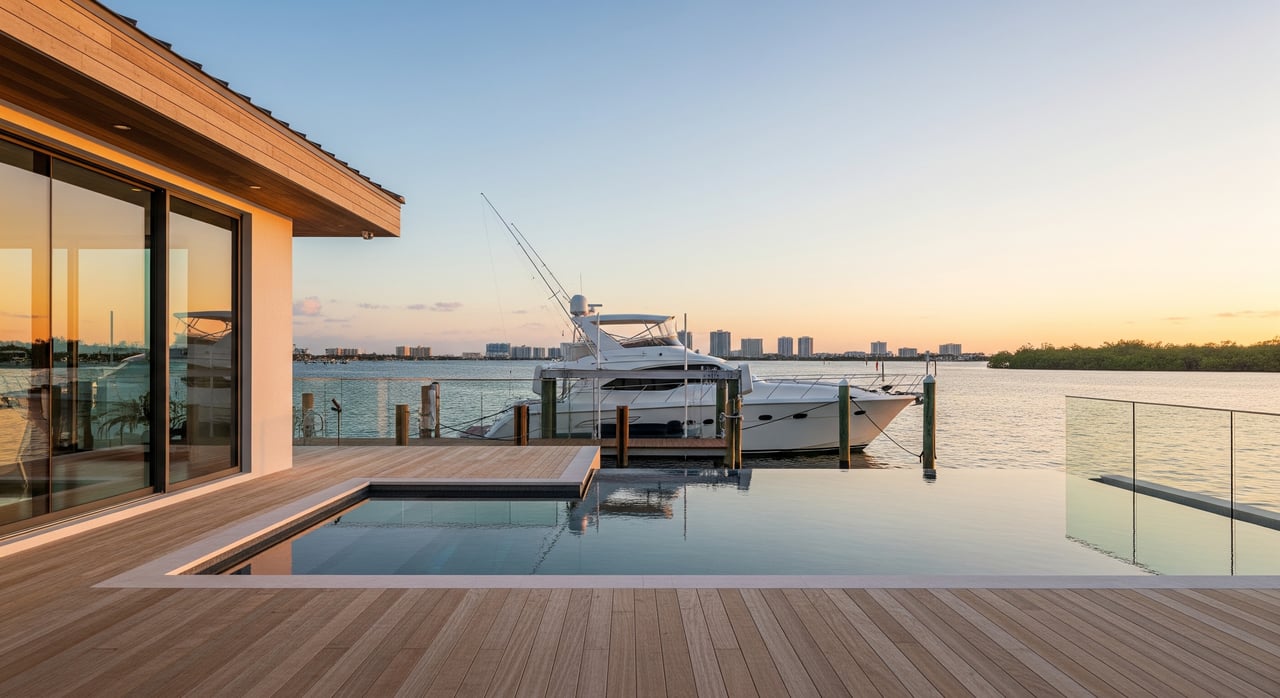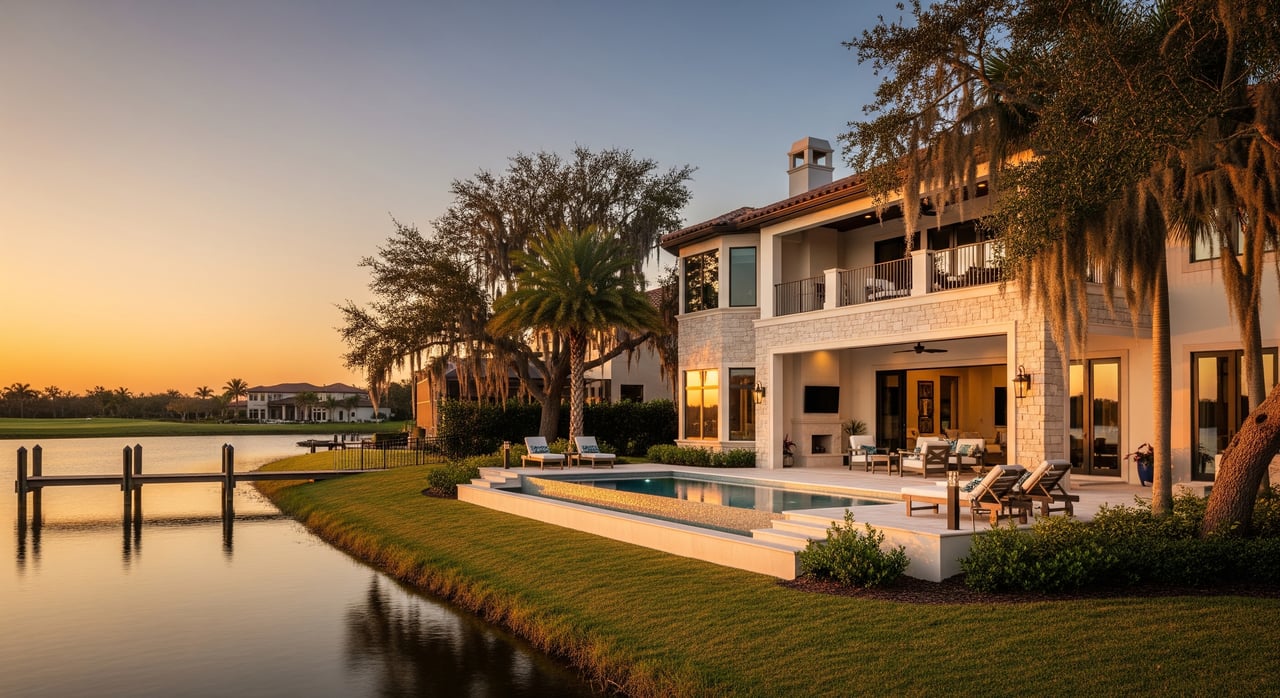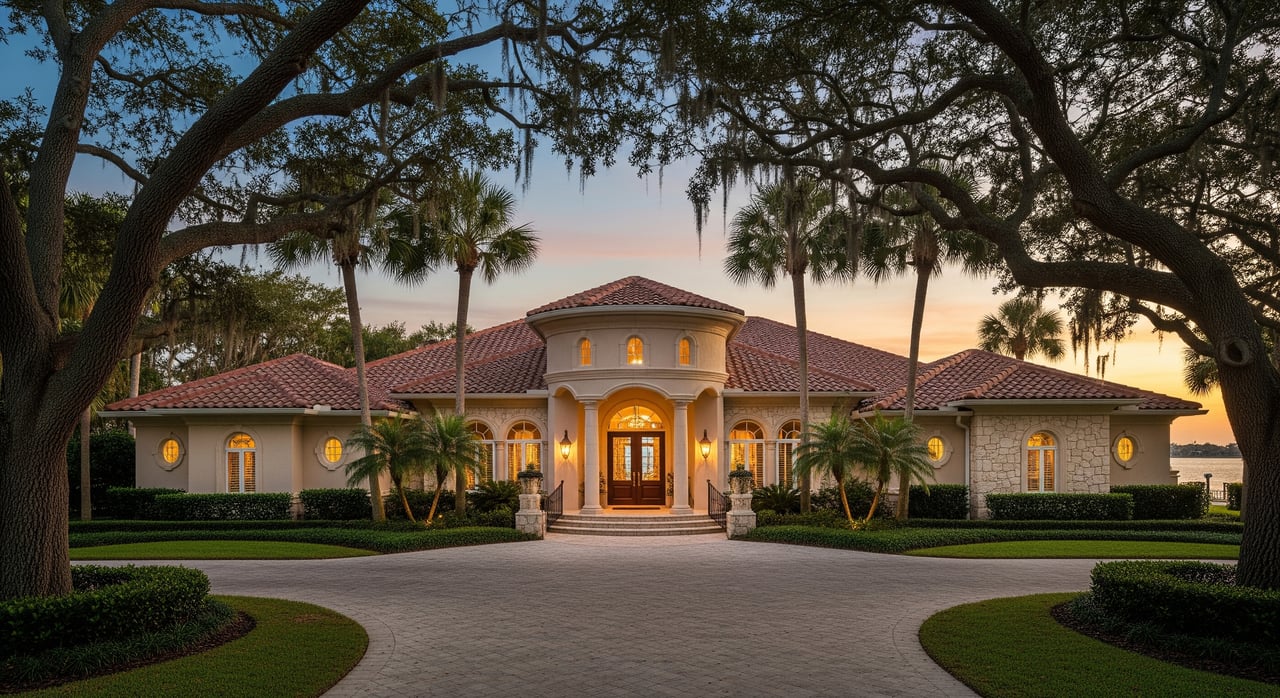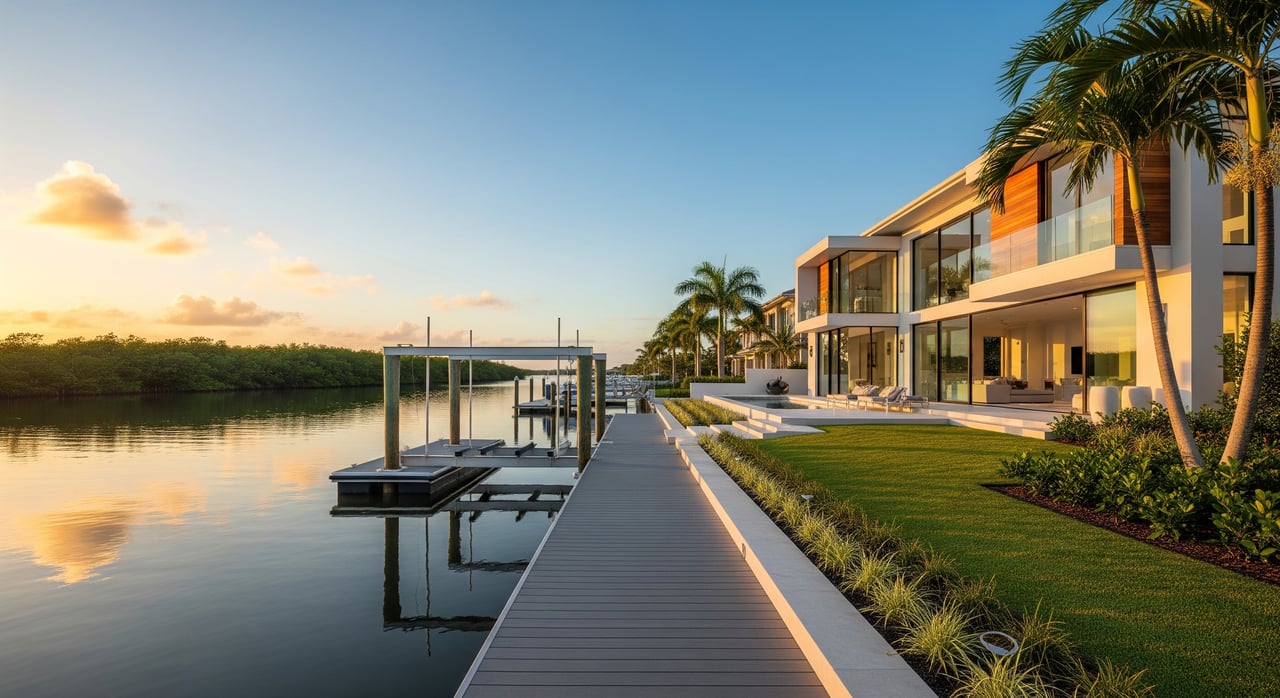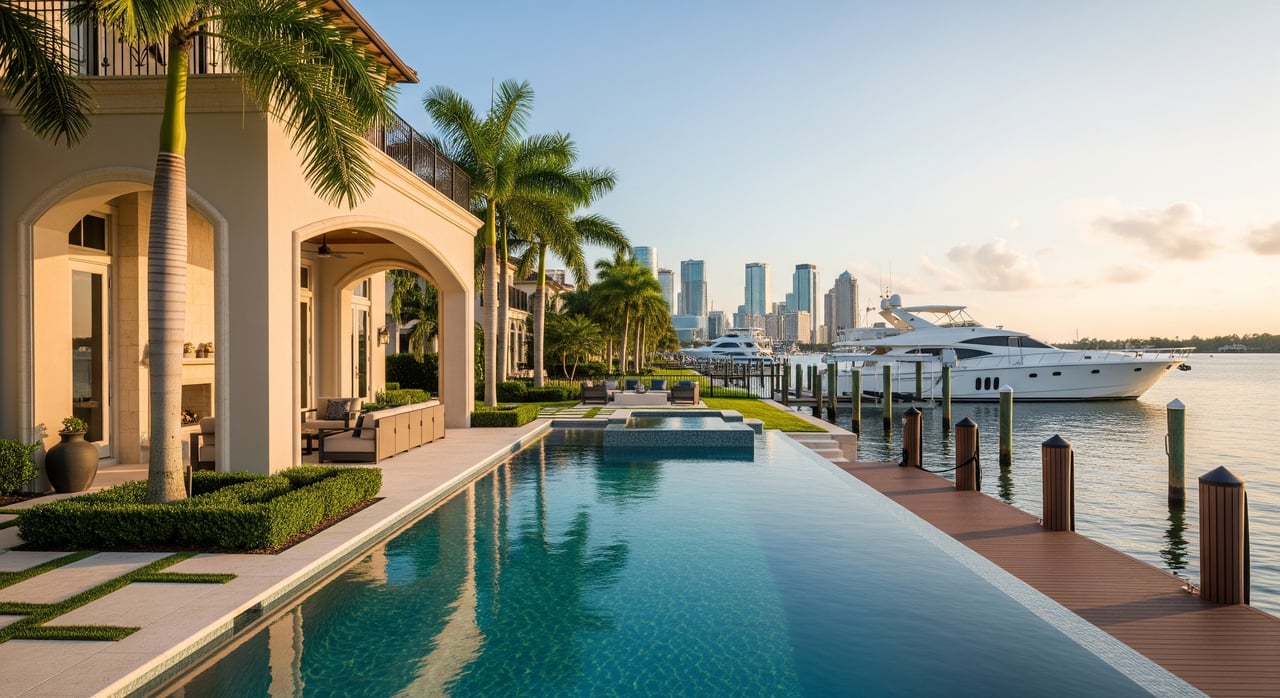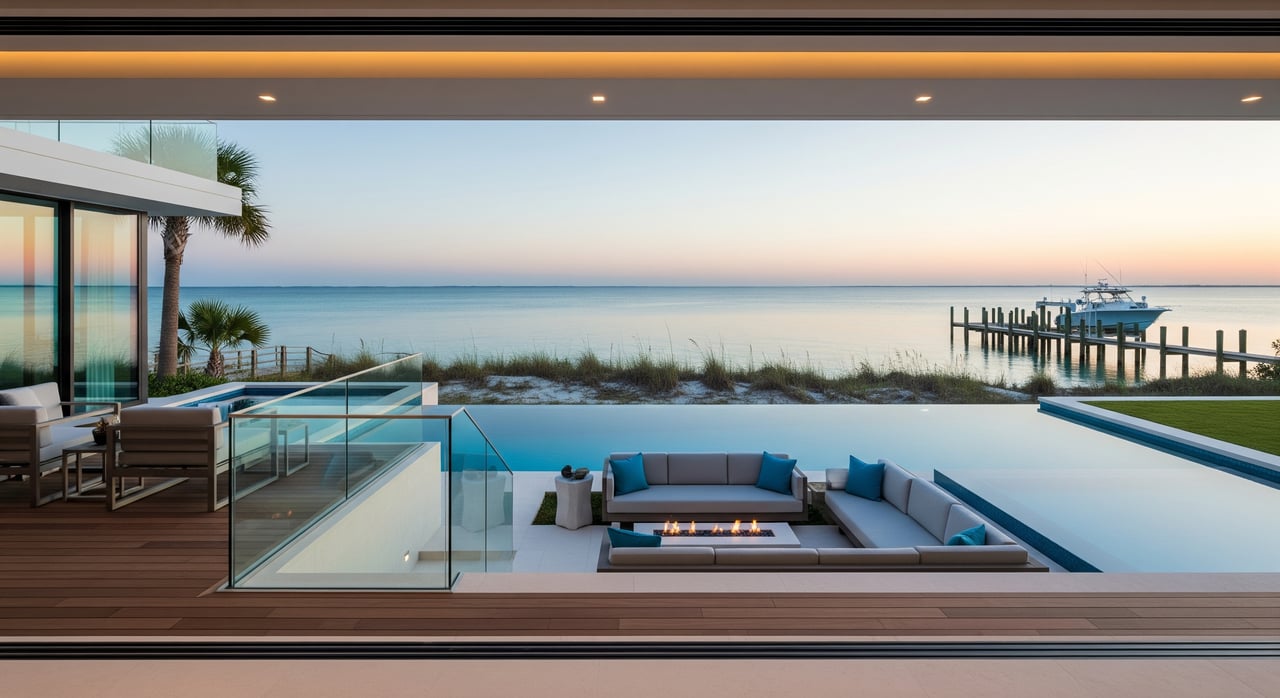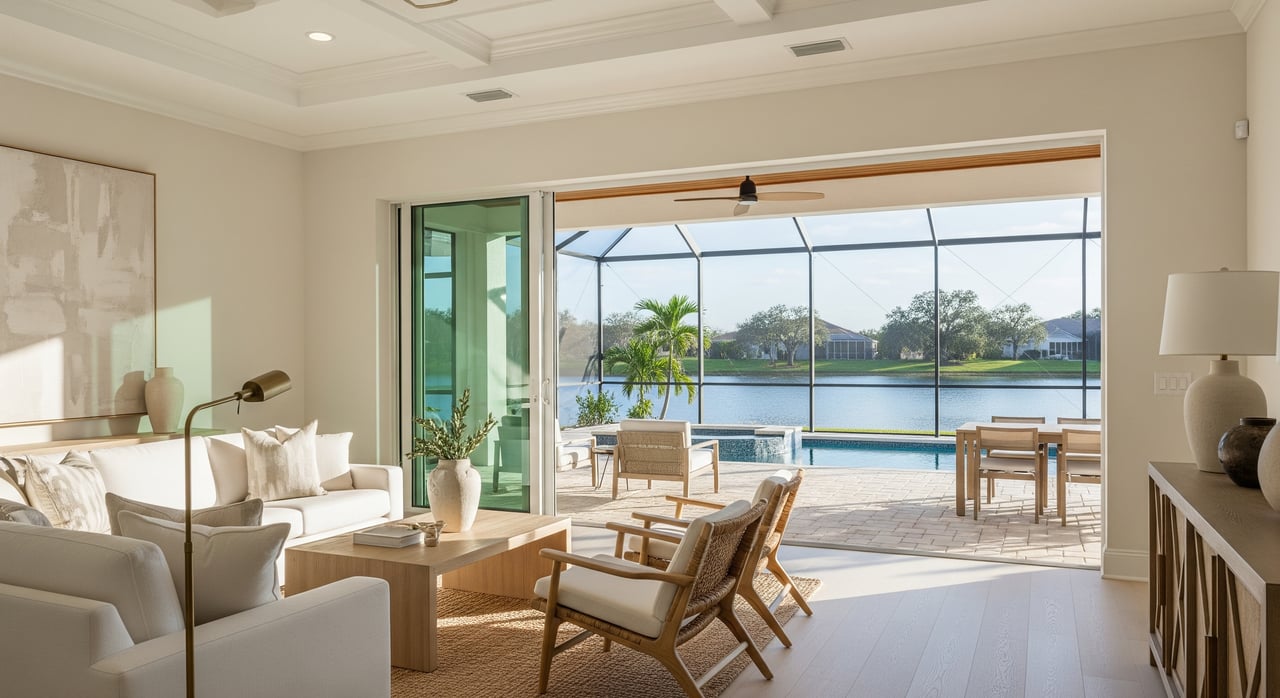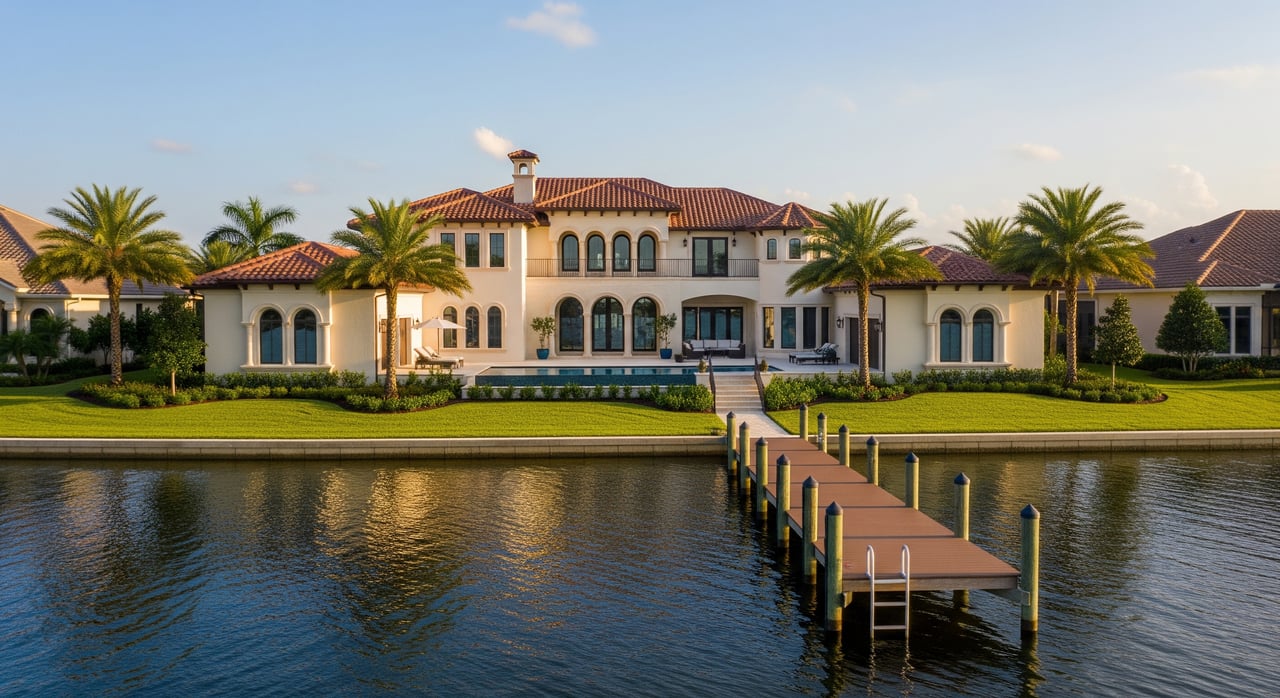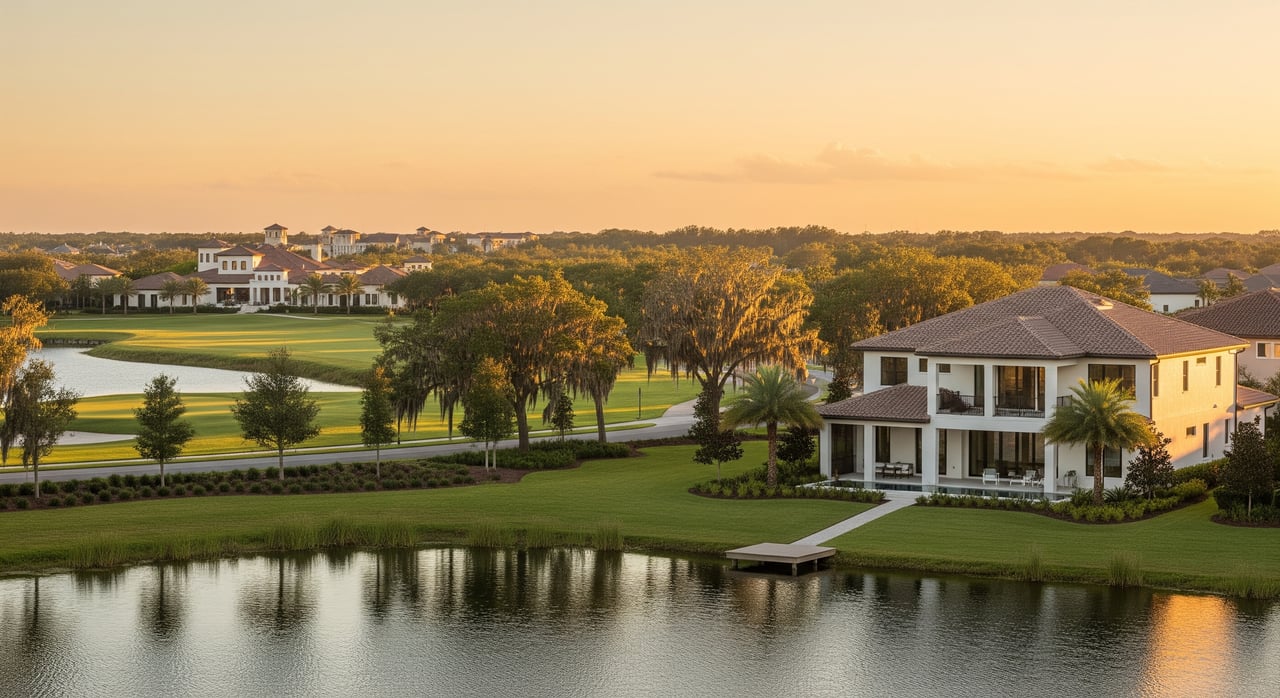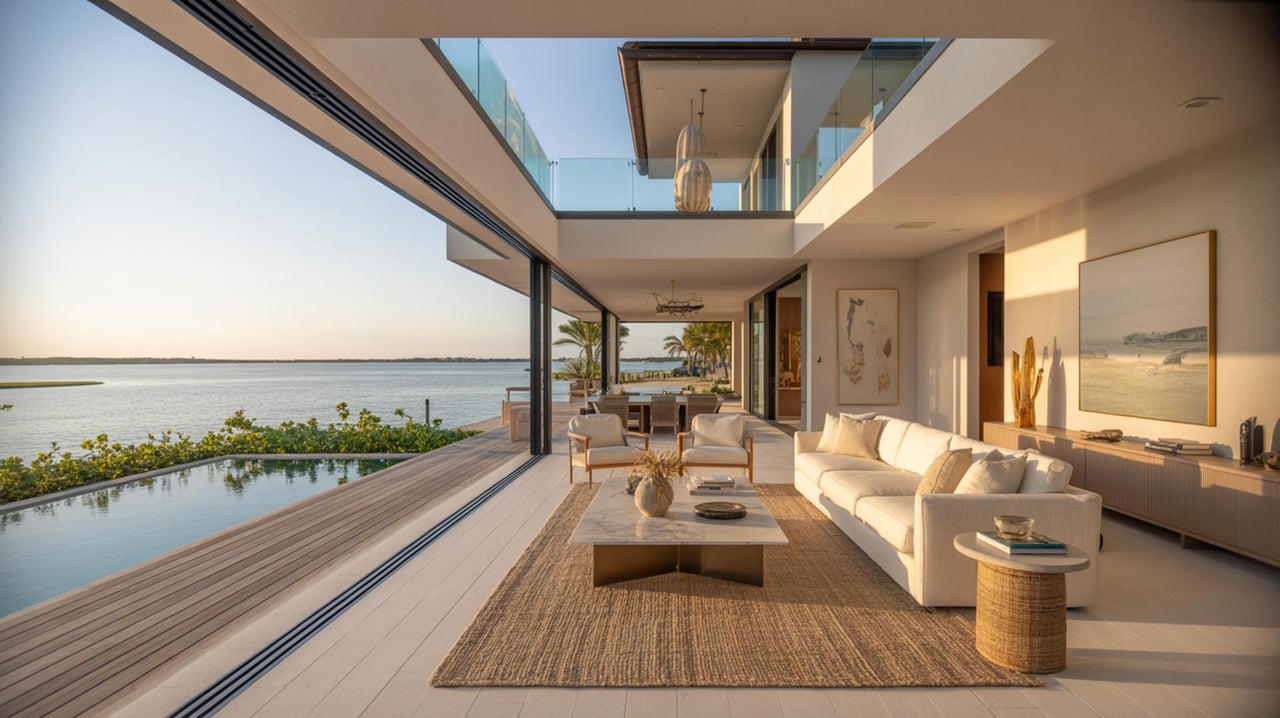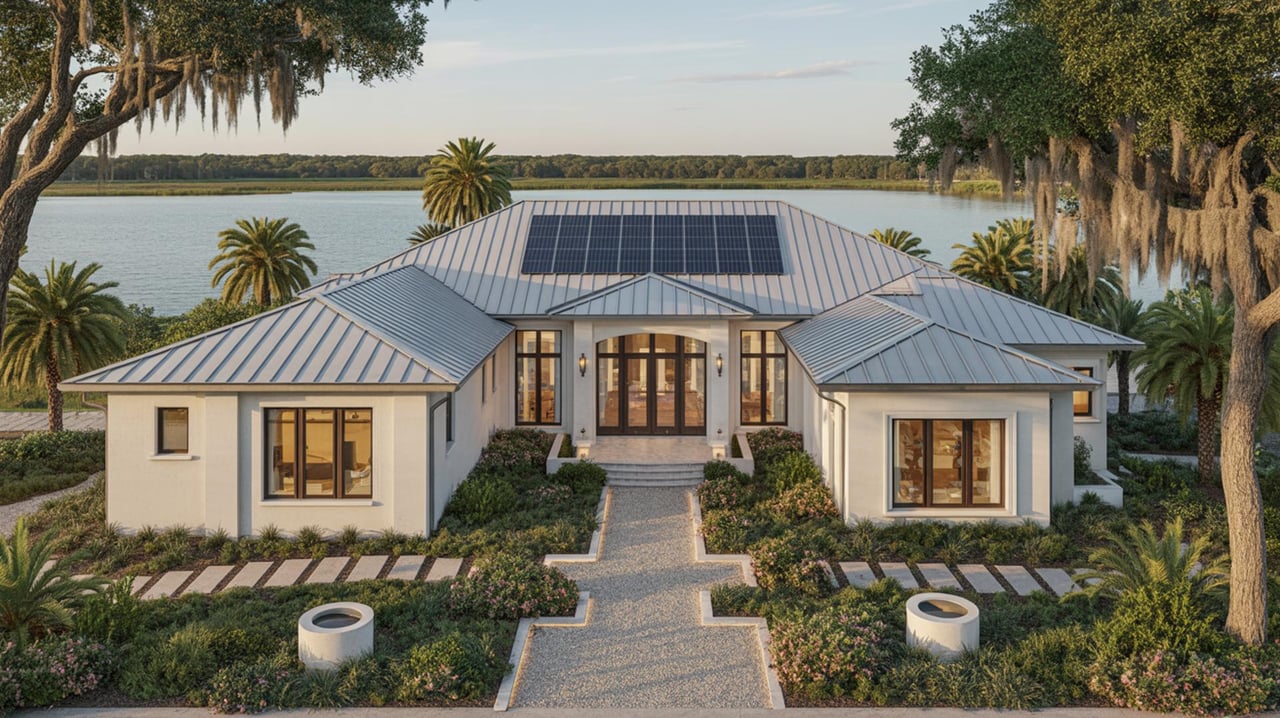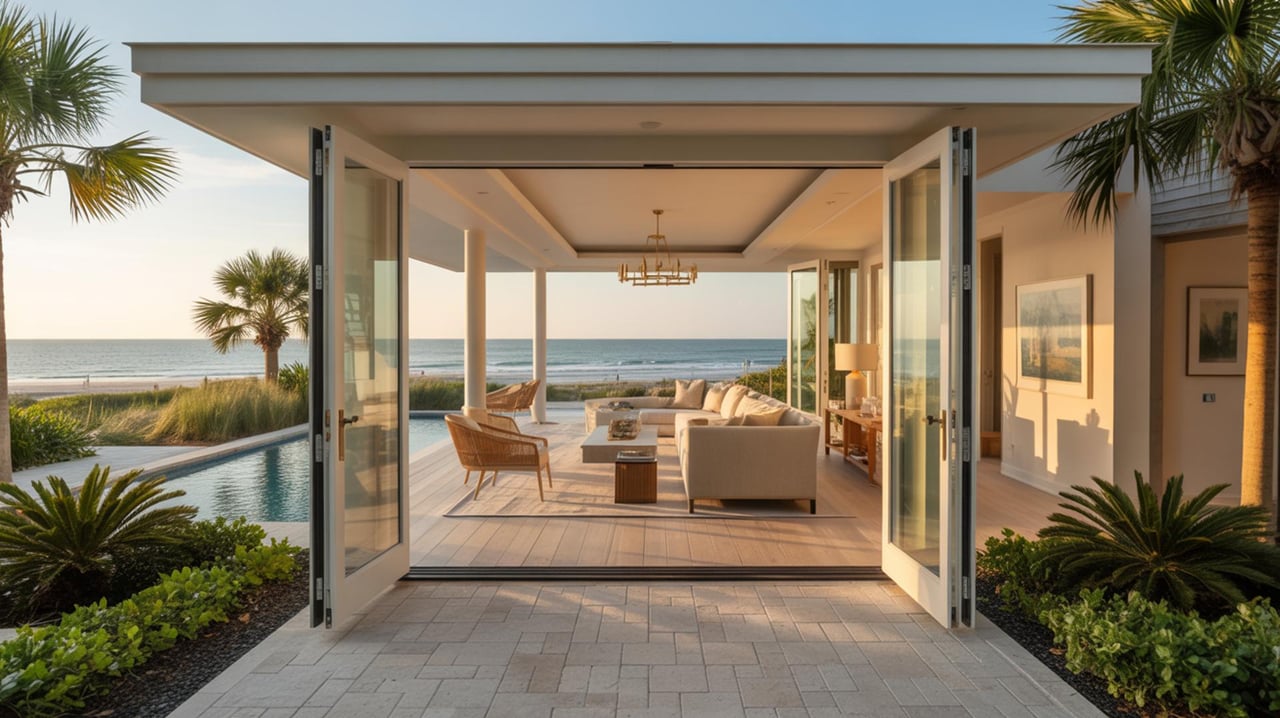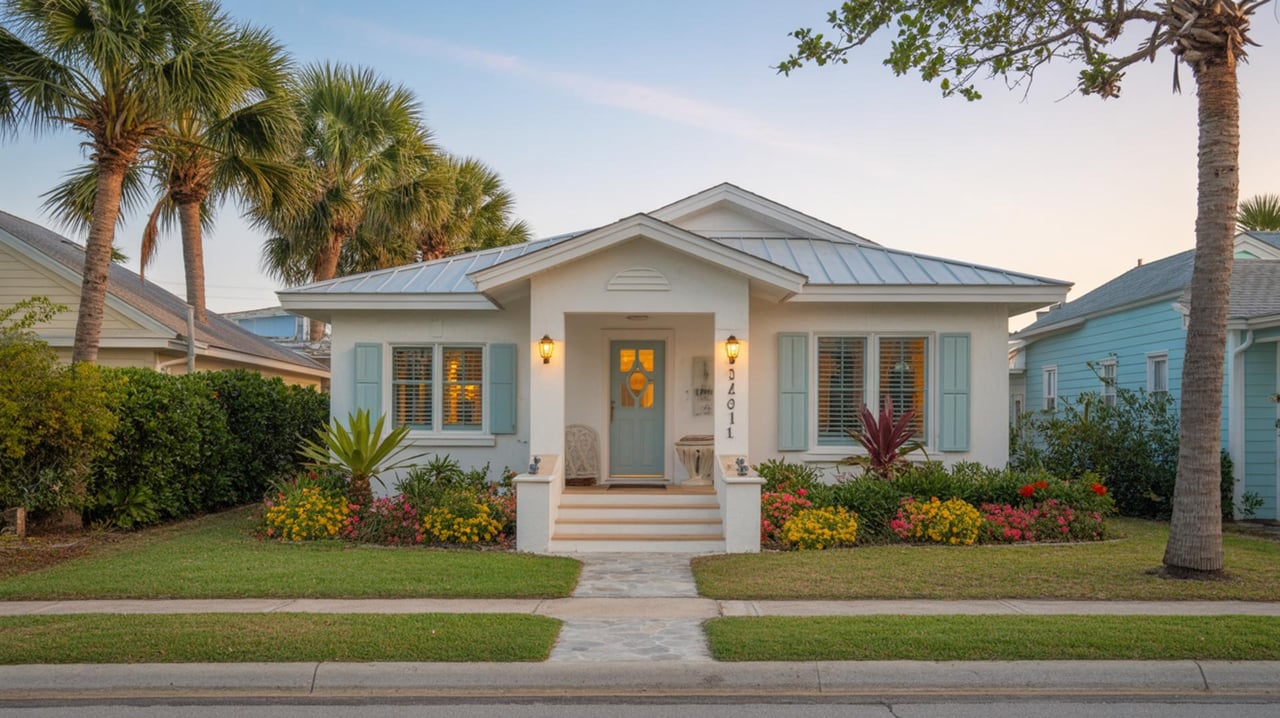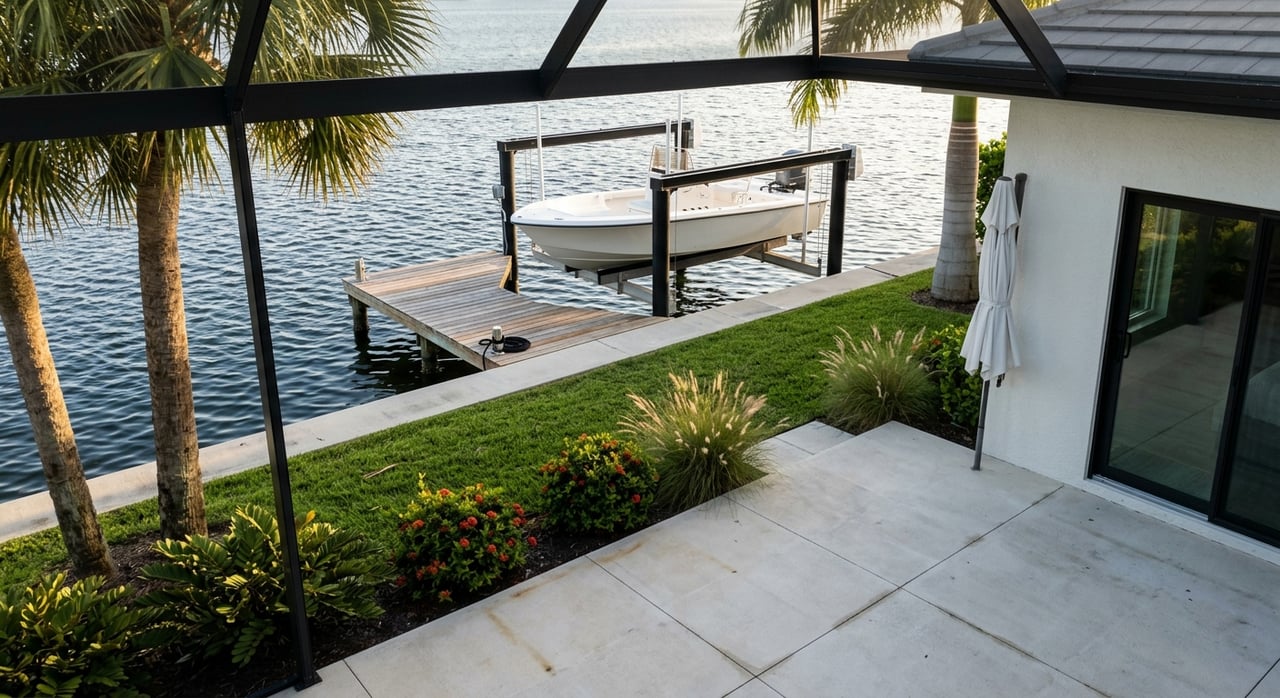
Dreaming of stepping out your back door and heading straight to Tampa Bay by boat? In Apollo Beach, that vision can be very real, but not every canal-front home works the same way. If you are thinking about buying or selling here, it helps to understand how canal layouts, dock rules, marinas, and flood planning shape everyday life on the water. Let’s dive in.
Why Apollo Beach Stands Out
Apollo Beach has a strong waterfront identity. The community is part of Hillsborough County, and the county’s community plan highlights the local canal system as an important feature to maintain. That focus helps explain why boating and canal access are such a big part of how many buyers experience this market.
The area also offers water-oriented places that support the lifestyle. You can enjoy shoreline fishing and bay views at the Apollo Beach Nature Preserve, and the local Tampa Electric campus includes the well-known Manatee Viewing Center and conservation campus. Apollo Beach is also home to 26,002 residents, according to the U.S. Census QuickFacts page.
Canal Homes Are Not All Alike
One of the biggest misconceptions about waterfront real estate is that every canal home offers the same boating experience. In Apollo Beach, that is not the case. Two homes may both be on the water, yet have very different dock options, boat size limits, and access convenience.
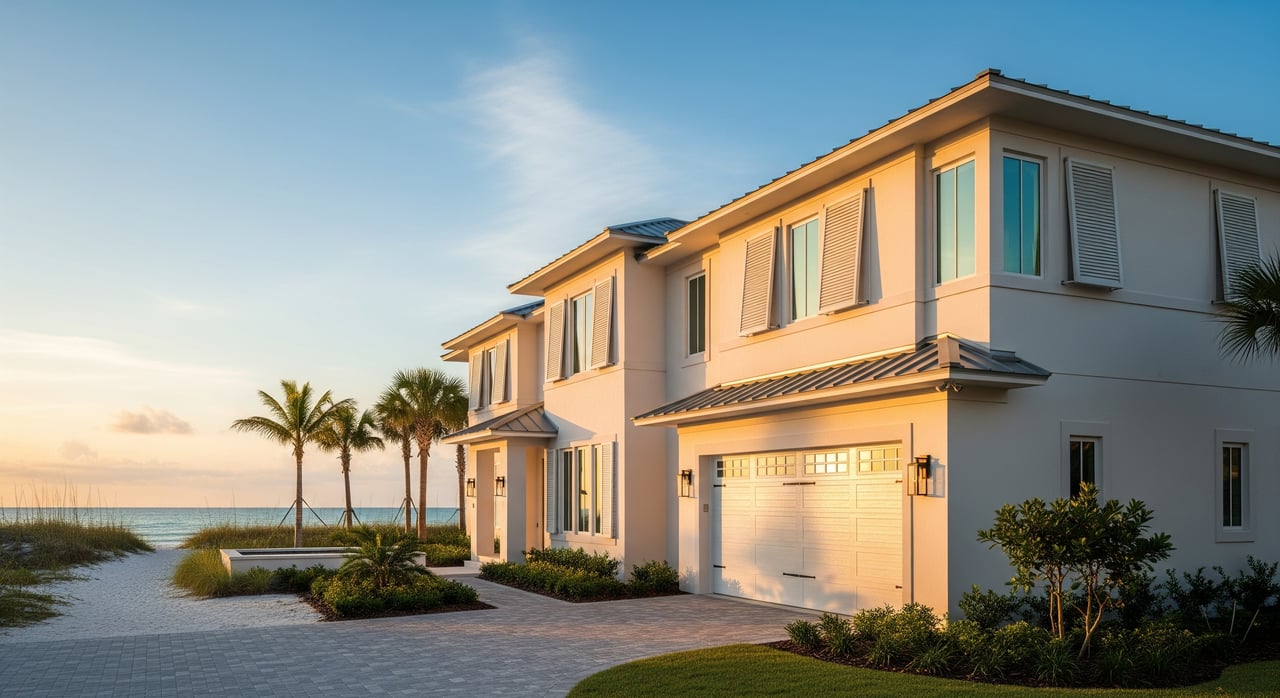
For example, Symphony Isles describes a mix of townhomes, zero lot-line homes, canal-front homes, and beach or bay-front homes on wide deep-water canals with direct access to Tampa Bay. In MiraBay, the Harbor Bay CDD rules show that canal lots and lagoon lots follow separate master dock plans.
That difference matters. The water behind a home may control what kind of dock or lift is allowed, how long a vessel can be at the dock, and how easily you can head out for the day. In Apollo Beach, the shoreline details matter just as much as the street address.
How Layout Affects Daily Boating
If you plan to boat often, convenience should be part of your home search. A home on a canal may sound ideal, but the layout of the waterway and the local rules can affect how simple or complicated boating feels in practice.
Within MiraBay, the Harbor Bay CDD requires vessel operating permits for use of district waterways and boating facilities. The rules also require proof of registration and insurance, plus completion of an FWC-approved boater safety class within 90 days. The same rules set size limits for boat lifts and the boat ramp, require idle-speed and no-wake operation, and prohibit tying vessels to seawalls or rip rap.
That means your boating lifestyle depends on more than whether a listing says “waterfront.” You should also look at canal width, vessel size limits, turning space, approved dock plans, and the community’s day-to-day boating rules.
Private Dock or Marina Access?
A private dock can be a great fit if you want quick, direct access from home. It can make sunrise cruises, evening rides, and weekend trips feel easy and spontaneous. For many buyers, that convenience is a major part of Apollo Beach’s appeal.
At the same time, you do not need a private dock to enjoy boating here. Apollo Beach offers marina and ramp options that can work well for buyers who want flexibility, lower maintenance, or a lower-cost entry into the boating lifestyle.
Here are a few options mentioned in local sources:
- Lands End Marina offers wet slips, hi and dry storage, boat service, parts, and an on-site restaurant and tiki bar.
- Apollo Beach Marina lists ramp access, wet slips, transient slips, haul-out, yard storage, and utilities at wet slips.
- Shell Point Marina in nearby Ruskin notes quick access to Tampa Bay from the mouth of the Little Manatee River.
- Hillsborough County public boat ramps give you another option, with 16 public ramps and a $5 launch fee.
What To Verify Before You Buy
Buying a canal home is exciting, but it pays to slow down and verify the details. Waterfront purchases often include extra approvals, costs, and maintenance items that may not be obvious in the first showing.
In MiraBay, dock and lift approval is not automatic. The dock application process requires a recorded dock easement, drawings and specifications that match the master dock plan, contractor license and insurance documents, and for canal lots, a Tampa Port Authority Minor Work Permit. The district also states that buying a dock easement does not guarantee that a dock will be permitted.
The same process materials note additional vessel-related items, including boat registration and insurance, a $500 initial registration fee, a $25 annual renewal fee, and orientation for boat-lift use. These are the kinds of practical details that can affect your budget and timeline.
Before you move forward on a waterfront property, ask about:
- Current dock or lift approvals
- Dock easements and recorded documents
- Vessel size limits
- Seawall condition
- Boat-lift age and maintenance history
- HOA or CDD dues
- Rules for water fixtures and boating use
Flood And Storm Planning Matter
Waterfront living comes with beauty and access, but it also comes with planning responsibilities. In Apollo Beach, flood risk and evacuation planning should be part of your due diligence from the beginning.
Hillsborough County flood map guidance explains that significant rainfall and tropical storm surge can flood some areas. The county also notes that FEMA flood zones can affect building requirements and flood insurance. Buyers are encouraged to check both the flood zone and the evacuation zone before purchasing near the water.
This step is important whether you are buying your first waterfront home or moving up to a more boat-friendly property. A great waterfront purchase is not just about the view. It is also about understanding the property’s long-term risks and costs.
Ongoing Costs Beyond The Mortgage
Canal-front living often includes expenses that are different from a typical inland home. Those costs do not make waterfront ownership less appealing, but they should be part of your decision.
In MiraBay, the Harbor Bay CDD states that it owns and operates community areas and funds those improvements through non-ad valorem assessments. Its waterways rules also address seawalls, rip rap, and water fixtures, which shows how closely waterfront upkeep is tied to ownership in these communities.
As you compare properties, think beyond the purchase price. You may also be evaluating community assessments, seawall maintenance, dock repairs, lift servicing, insurance costs, and boating compliance requirements.
What Sellers Should Know
If you are selling a canal home in Apollo Beach, buyers will likely ask detailed questions. They want to know more than whether the home is on the water. They want to understand how the property supports the boating lifestyle they have in mind.
That means your marketing and preparation should highlight facts such as canal type, water access, existing dock features, known vessel limits, marina alternatives, and any available documents related to easements or approvals. Clear information helps buyers picture the lifestyle and reduces surprises during due diligence.
For sellers, this is where strong local guidance matters. A waterfront home is both an emotional purchase and a practical one, so your presentation should speak to both.
The Apollo Beach Lifestyle In Real Terms
Apollo Beach offers more than a pretty backdrop. It gives you a waterfront setting where canals, marinas, public ramps, conservation spaces, and Tampa Bay access all shape daily life.
If your goal is to find a home that fits your boating routine, your vessel, and your budget, details matter. And if you are selling, those same details can help your property stand out to the right buyer.
When you are ready to explore Apollo Beach canal homes with both lifestyle appeal and practical clarity, Lori Moses can help you navigate the details and find the right fit.
FAQs
Do all Apollo Beach canal homes offer the same boating access?
- No. Canal lots and lagoon lots can have different dock plans, vessel limits, and boating convenience depending on the community and water layout.
Can you add a dock later to an Apollo Beach waterfront home?
- Not always. In MiraBay, dock approval requires an easement and written approval, and purchasing a dock easement does not guarantee that a dock will be permitted.
Do you need a private dock to enjoy boating in Apollo Beach?
- No. Local marinas and Hillsborough County public boat ramps offer alternate ways to get out on the water.
What should buyers verify before purchasing an Apollo Beach canal home?
- Buyers should confirm dock and lift approvals, easements, vessel size limits, seawall condition, boating rules, HOA or CDD costs, and flood and evacuation zone information.
Why are flood zones important for Apollo Beach waterfront homes?
- Flood zones can affect insurance needs, building requirements, and overall risk, so Hillsborough County recommends checking both flood zones and evacuation zones before buying near the water.