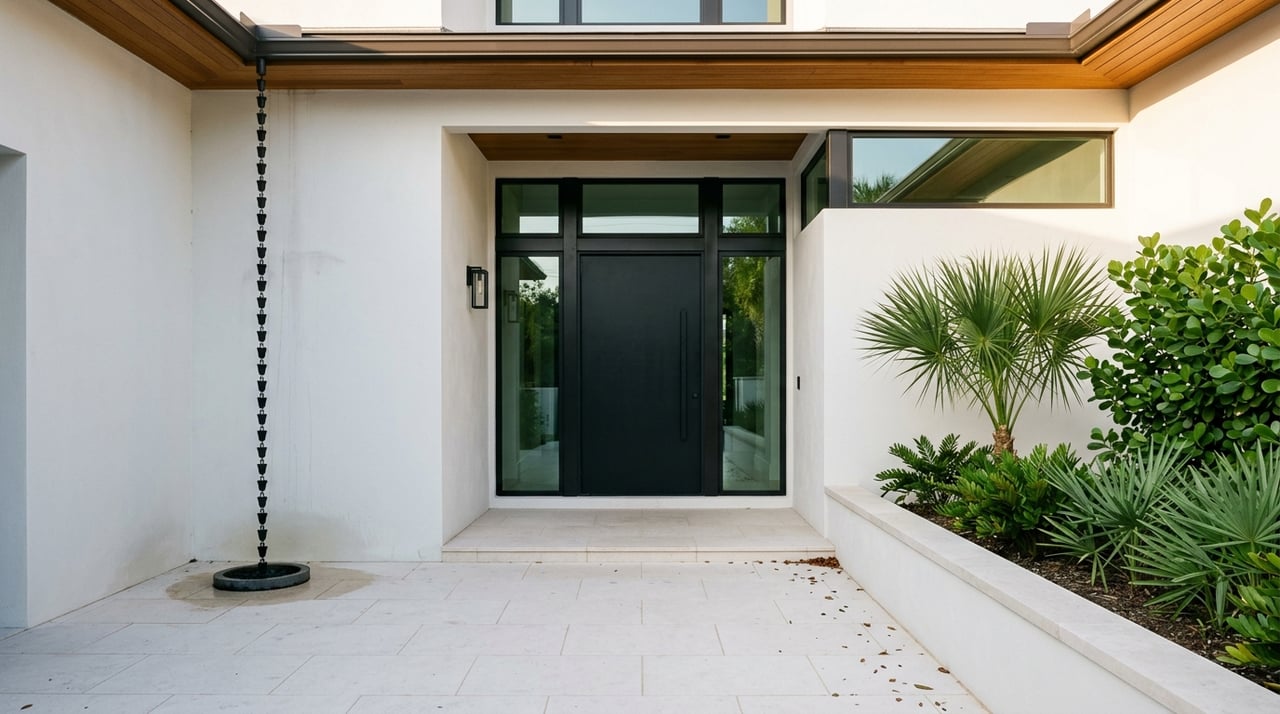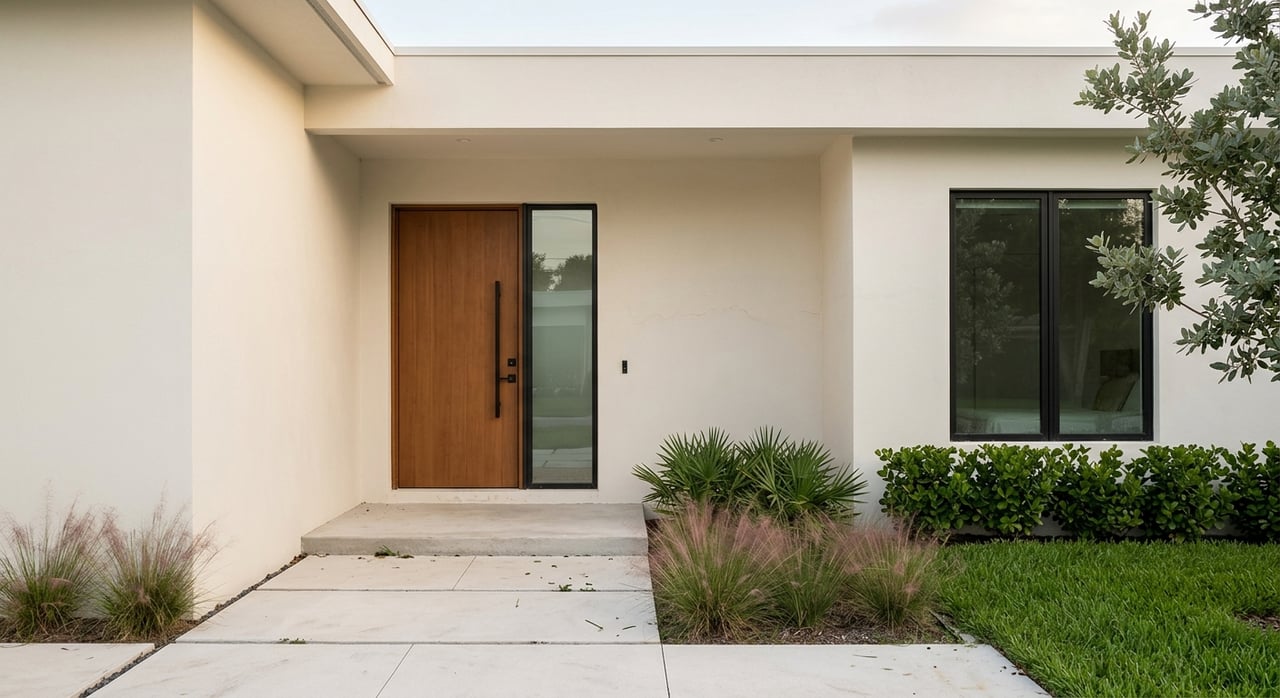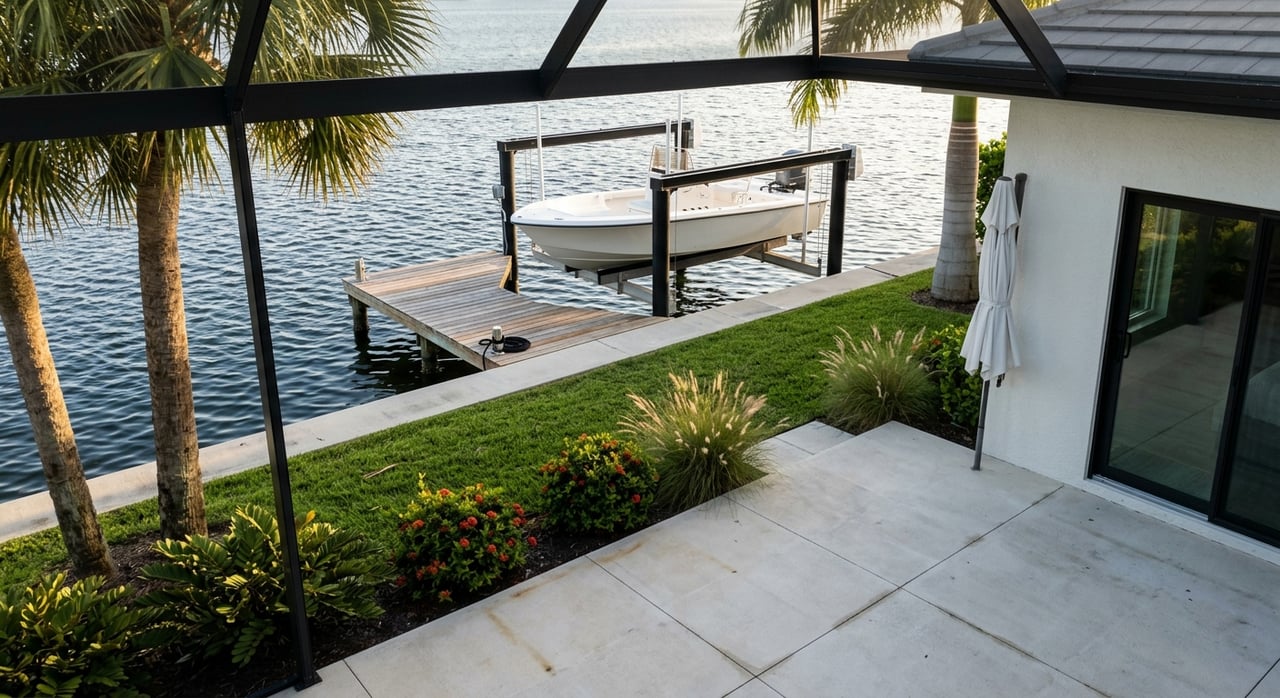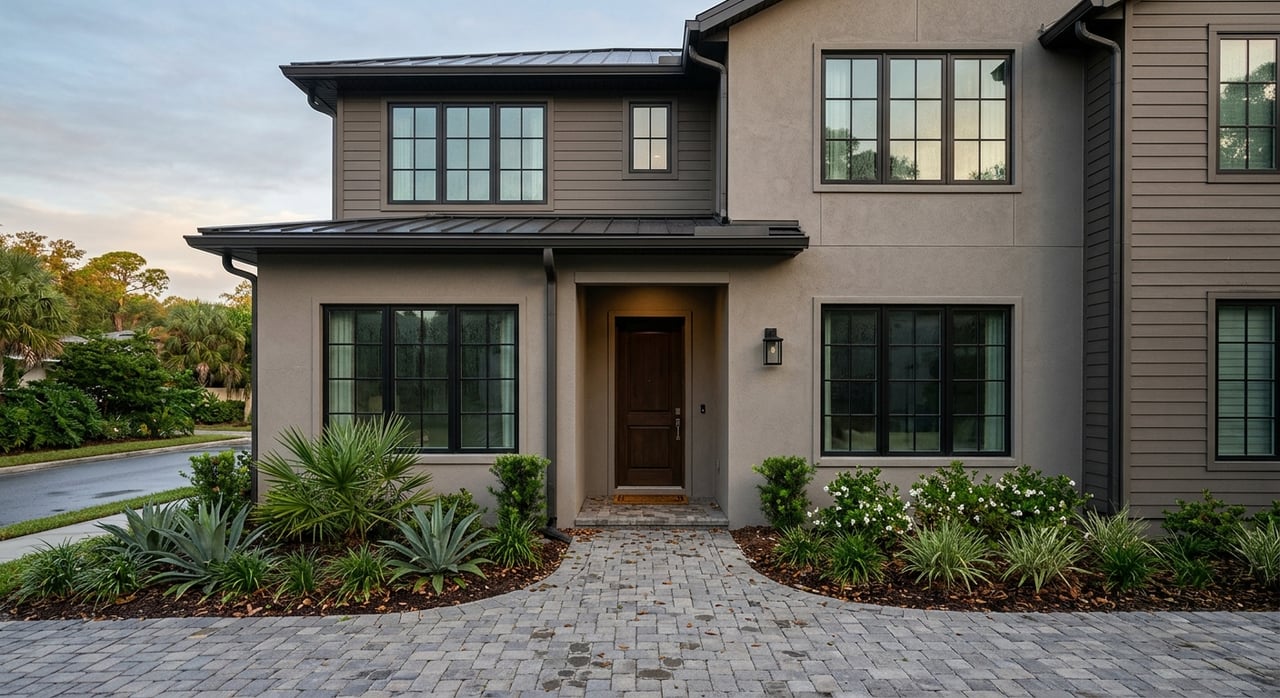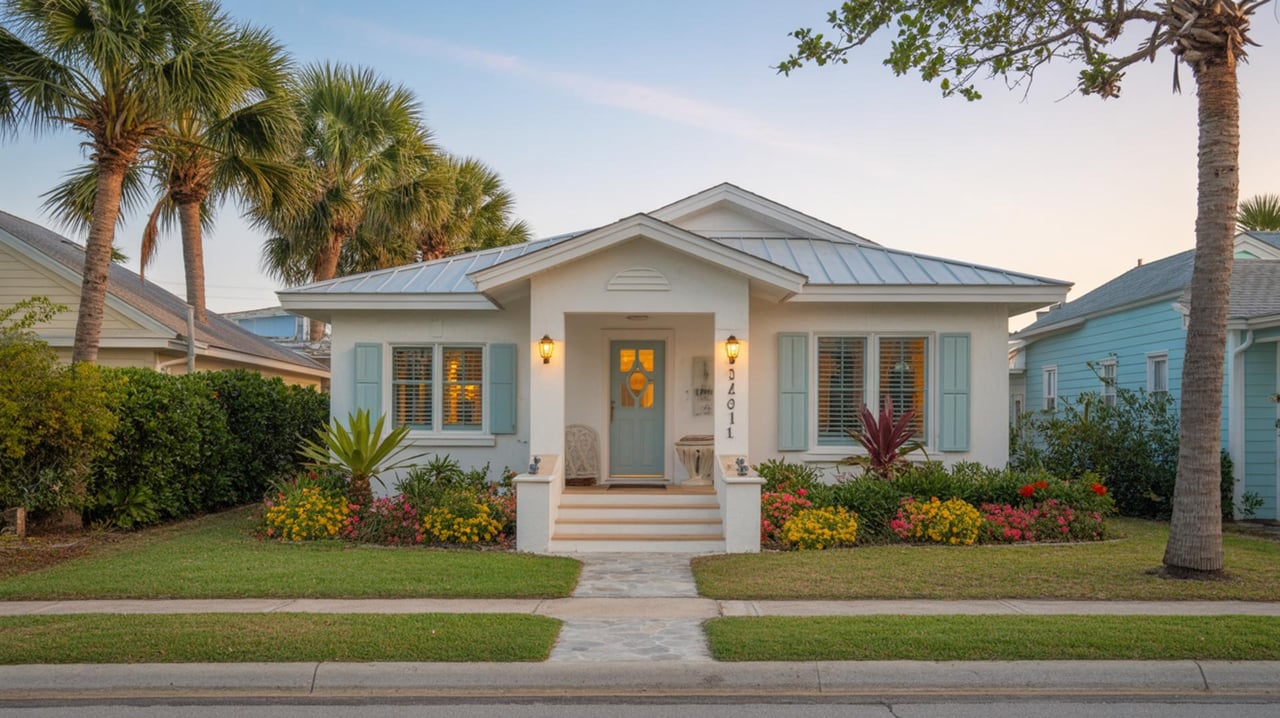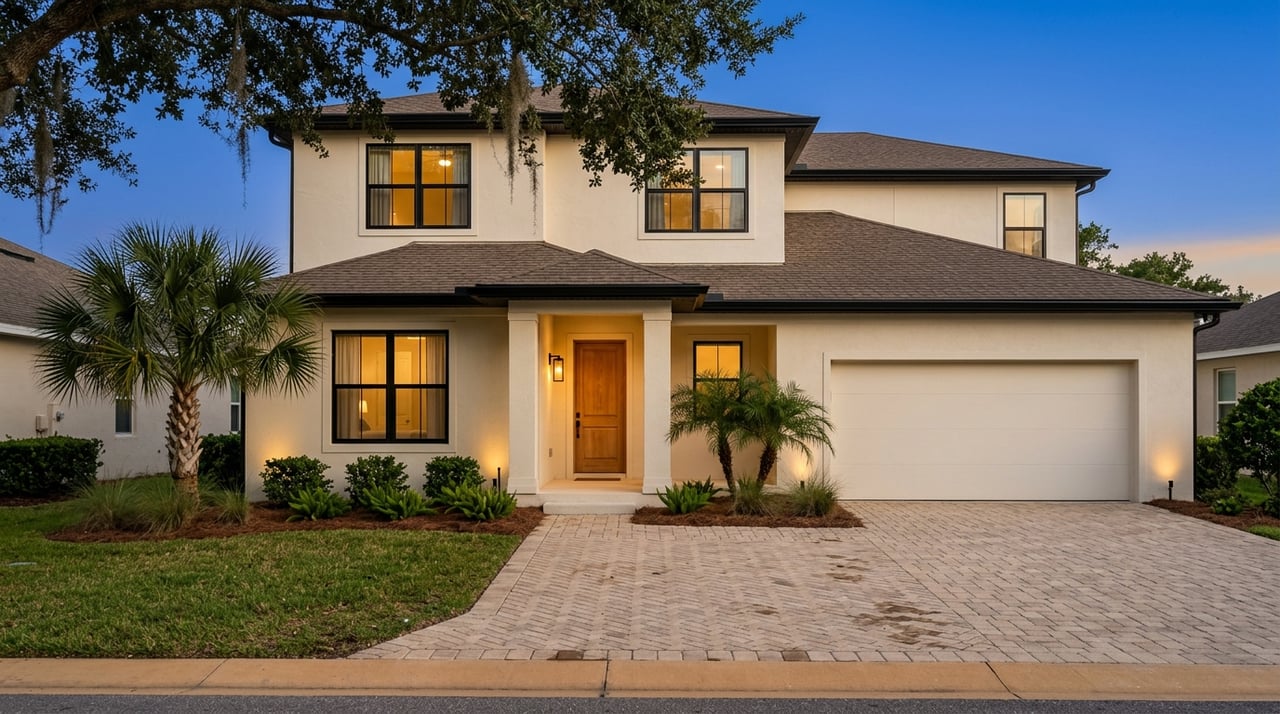
Thinking about moving up to a larger home in Brandon? You are not alone, and you are probably asking the same big questions most move-up buyers ask: should you sell first, buy first, or try to line both up at once? If you want more space without creating extra stress, the key is understanding Brandon’s market, your financing options, and the timing details that can affect your move. Let’s dive in.
Brandon market outlook
If you are moving up in Brandon, it helps to know you are not shopping in a true frenzy market. According to Redfin’s Brandon housing market data, the median sale price was $345,000 in February 2026, homes sold after 58 days on market, and some properties still received multiple offers.
That lines up with a balanced to somewhat competitive market. Redfin also reports that the average home sells about 2% below list price, while Realtor.com notes a 98% sale-to-list ratio and a balanced market. The big takeaway is simple: well-priced homes still move, especially if they offer the extra square footage many move-up buyers want.
For you, that means there may be more breathing room than in a peak seller’s market, but you still need to be ready when the right home appears. Larger homes in appealing parts of Brandon can still attract quick interest once they hit the market.
Why move-up buyers need a plan
Buying a larger home is usually more complex than a first purchase. You may be balancing your current mortgage, your equity, your next down payment, and the practical challenge of moving from one home to another without getting stuck in the middle.
That is why your strategy matters just as much as your budget. Before you start touring homes, you want a clear idea of how much cash you can use, how quickly you can qualify, and what timeline makes sense for your household.
Start with financing readiness
Mortgage rates shape your monthly payment, so it is smart to check them early and keep checking while you shop. Freddie Mac’s Primary Mortgage Market Survey shows the average 30-year fixed mortgage rate was 6.38% as of March 26, 2026.
You also want a current preapproval letter before making offers. The Consumer Financial Protection Bureau explains that sellers often want to see preapproval, but these letters are only tentative commitments and commonly expire within 30 to 60 days.
If you plan to compare lenders, timing matters. CFPB guidance notes that preapproval shopping should be managed carefully, and Freddie Mac says multiple mortgage inquiries made within a 45-day window can limit credit-score impact.
Cash needs beyond the down payment
Many move-up buyers focus on the down payment and forget the rest of the costs. In reality, you should also budget for closing costs, insurance, inspections, and any overlap in housing expenses.
According to Freddie Mac’s closing-cost guide, closing costs usually run about 2% to 5% of the loan amount. That means your total cash need may be higher than expected, especially if you are also preparing your current home for sale.
A good planning checklist includes:
- Down payment
- Closing costs
- Inspection-related expenses
- Insurance estimates
- Moving costs
- Short-term overlap payments, if needed
- A cash cushion for repairs or unexpected delays
Sell first or buy first?
This is the question most Brandon move-up buyers ask first, and the answer depends on your equity, savings, and comfort level.
Sell first plan
A sell-first plan is often the lowest-risk option when you need equity from your current home for the next purchase. It can reduce pressure on your monthly budget and help you know exactly how much cash you have available.
The tradeoff is timing. You may need temporary housing or a rent-back arrangement if your current home sells before your next one closes.
Buy first plan
A buy-first plan can feel more comfortable because you can move once instead of juggling temporary housing. This path usually works best when you have strong savings, substantial equity, or access to temporary financing.
The challenge is carrying more than one housing payment if your current home does not sell quickly. That can create stress if the timeline stretches longer than expected.
Concurrent closing plan
Some homeowners try to sell and buy at nearly the same time. This can work well, but only when your lender, title company, and agent are coordinating every detail from the beginning.
Because there are so many moving parts, concurrent closings require close communication and backup plans. Even a short delay in one transaction can affect the other.
Temporary financing options
If you want to buy before selling, there are a few financing tools that may help bridge the gap. These options can reduce timing pressure, but they also add complexity.
The CFPB describes a home equity line of credit, or HELOC, as a revolving line based on your home equity. It often has a variable rate, and your home is at risk if you miss payments.
A piggyback second mortgage is another option, though CFPB notes it is rare today and often comes with a higher interest rate. CFPB regulations also describe a bridge loan as a temporary loan of 12 months or less, including one used to buy a new home while planning to sell your current one.
These tools may help, but they are not one-size-fits-all. You should weigh them against your expected sale proceeds, your reserves, and how much payment overlap your budget can safely handle.
Brandon timing expectations
The move-up process often takes longer than buyers expect. According to Freddie Mac’s homebuying timeline guide, lender shopping can take about 45 days, finding a home can take about 10 weeks, inspections may take 2 to 5 days, appraisal can take up to 2 weeks, and closing often takes 30 to 60 days.
Freddie Mac also says the average purchase loan closes in about 43 days. When you add search time, negotiations, inspections, packing, and coordination with your current sale, a move-up purchase can easily become a multi-month project.
That is why it helps to think in phases:
- Financial prep
- Home search
- Offer and contract
- Inspection and appraisal
- Closing coordination
- Move-out and move-in logistics
How to avoid getting stuck
No move is completely stress-free, but you can lower the risk of unpleasant surprises. One of the smartest steps is making sure your offer includes protections that fit your situation.
The CFPB recommends paying close attention to contingencies, including financing and satisfactory inspection terms. You should also get title and insurance estimates early so you are not scrambling near the end of the deal.
For a back-to-back move, strong communication matters just as much as the contract terms. A shared calendar and one central point of contact for lender questions, inspections, title work, appraisal scheduling, and movers can make the process much easier to manage.
Florida homestead and tax details
If your current home is your primary residence, Florida property tax rules should be part of your planning. The Florida Department of Revenue says the homestead exemption can reduce assessed value by up to $50,000 and may also qualify your home for the Save Our Homes cap.
If you are moving from one Florida homestead to another, you may be able to transfer or port some of your tax benefit. Florida rules allow portability of up to $500,000 of the assessment difference, subject to eligibility requirements.
In Hillsborough County, the Property Appraiser’s office says you must have legal or beneficial title by January 1, establish the property as your legal domicile, and file by March 1. Applications are accepted year-round, but late filing is limited.
This matters because when a home is sold, the existing homestead exemption is removed and the assessed value resets to market value for the new year. If you have owned your current home for a long time, your property taxes on a larger Brandon home may be noticeably different than what you pay now.
Why local guidance helps
A move-up purchase is not just about finding more bedrooms or a bigger yard. It is about matching your next home to your budget, your timeline, and your long-term plans without creating avoidable risk.
This is where experienced guidance can make a real difference. The CFPB specifically encourages buyers to work with an experienced agent, and that advice is especially helpful when you are coordinating a sale, a purchase, financing, inspections, and closing dates all at once.
If you are thinking about moving up to a larger home in Brandon, the best first step is a clear, personalized plan. Lori Moses can help you map out your timing, understand your options, and make your next move with confidence.
FAQs
What is the Brandon housing market like for move-up buyers?
- Brandon appears balanced to somewhat competitive in early 2026, which means you may have more room to plan than in a frenzy market, but well-priced larger homes can still move quickly.
How long does it take to buy a larger home in Brandon?
- Based on Freddie Mac timeline guidance, the full process often takes several months when you include lender shopping, home search, inspections, appraisal, and closing.
How much cash do you need when moving up to a larger home in Brandon?
- Beyond the down payment, you should also plan for closing costs that typically run about 2% to 5% of the loan amount, plus insurance, moving expenses, and a reserve for surprises.
Should you sell your current Brandon home before buying another one?
- Selling first is often the lower-risk option if you need your equity for the next purchase, while buying first may work better if you have strong savings or temporary financing.
What temporary financing options help when buying before selling in Brandon?
- Common options include a HELOC, piggyback second mortgage, or bridge loan, but each adds payment complexity and should be reviewed carefully against your budget and expected sale proceeds.
How does Florida homestead portability affect a move-up home purchase in Brandon?
- If you qualify, you may be able to transfer some of your Save Our Homes benefit to a new Florida homestead, but your new home’s assessed value and future property taxes may still change significantly.