If you picture fix-and-flip investing in Clearwater as a quick paint job and a fast resale, you could end up with an expensive surprise. This market offers real opportunity, but it rewards careful planning more than shortcuts. If you want to spot the right projects, avoid common risks, and understand what makes Clearwater different, you are in the right place. Let’s dive in.
Why Clearwater Draws Flip Interest
Clearwater has several traits that make value-add investing worth a closer look. Recent official data places the city’s median owner-occupied housing value in the mid-$300,000s, and owner-occupied housing remains a meaningful share of the local market. That creates room for buyers to pay for updated, move-in-ready homes when the renovation is handled well.
At the same time, much of Clearwater’s housing stock is older. The city reports that more than half of occupied units were built before 1980, and 39% of occupied units have at least one housing problem. It also estimates thousands of vacant units may be suitable for rehabilitation, which supports the idea that some of the best deals come from solving real condition issues, not just adding cosmetic finishes.
That is the key mindset shift in Clearwater. This is better understood as an older-stock, compliance-sensitive Tampa Bay submarket, not a low-friction quick-flip market. In other words, the upside is often tied to smart underwriting, permit discipline, and resale-ready execution.
What Clearwater Flip Properties Look Like
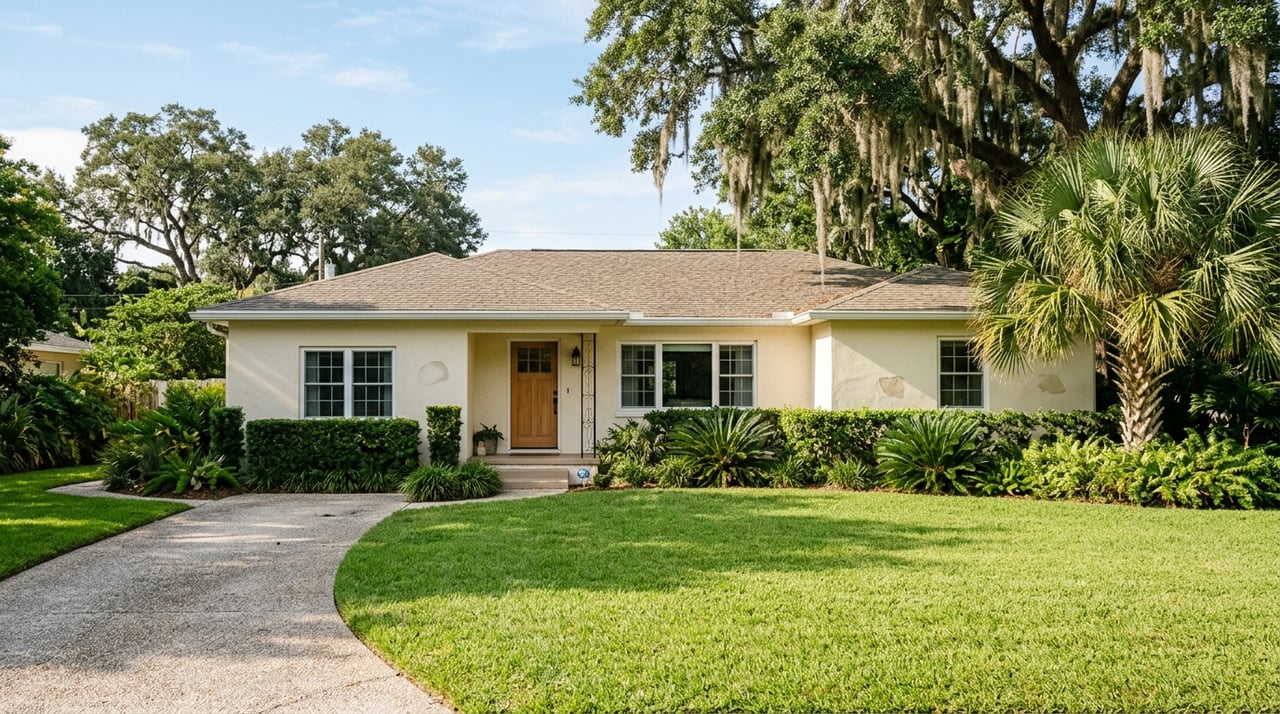
Not every Clearwater flip candidate looks the same. Depending on the area, you may be evaluating an early 20th-century home with architectural character or a more straightforward postwar ranch with dated systems and finishes. Knowing the difference can help you estimate both budget and timeline more accurately.
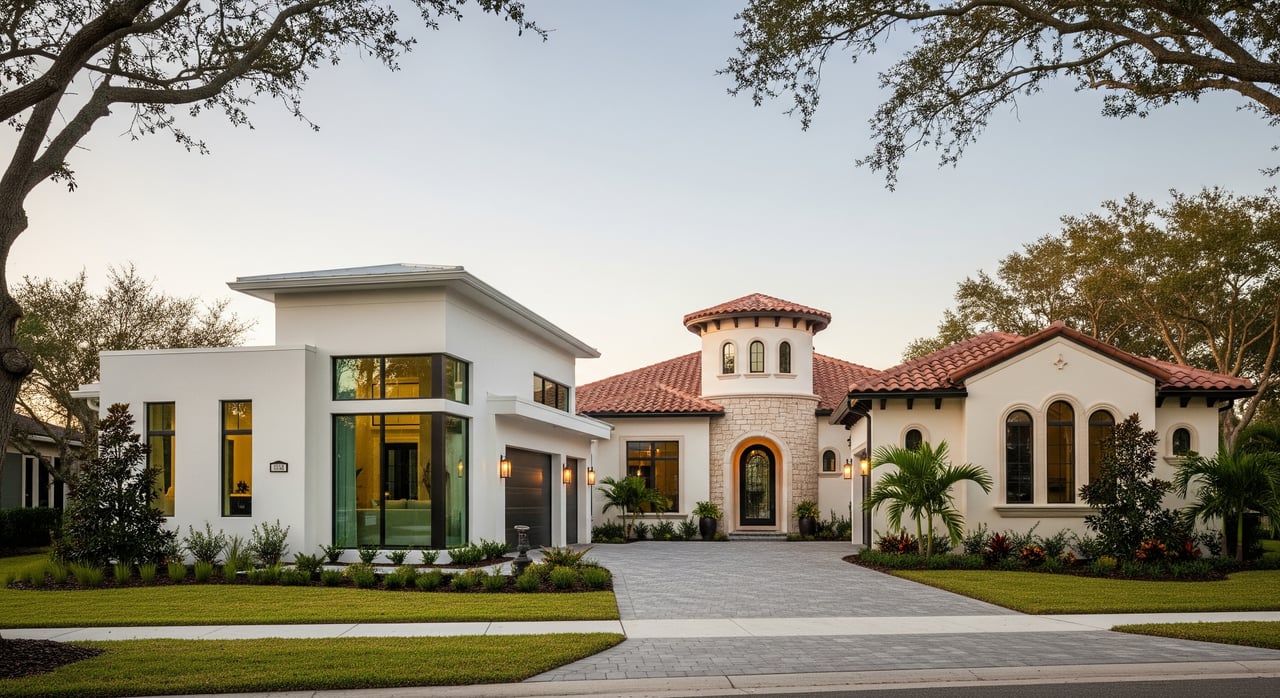
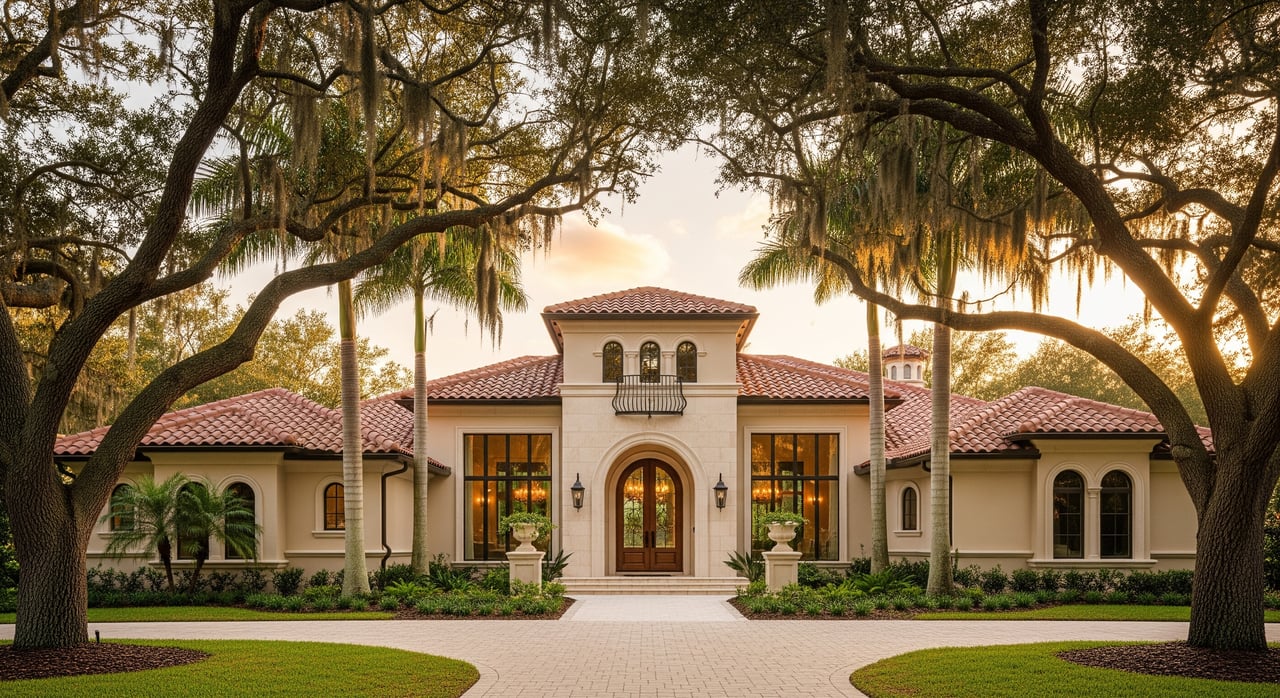
In Harbor Oaks, one of the clearest documented examples of older Clearwater housing, homes include Colonial Revival, Mediterranean Revival, Mission, Tudor Revival, Prairie School, and bungalow influences. These homes can offer strong visual appeal, but they may also bring more complexity when you start planning repairs or exterior changes.
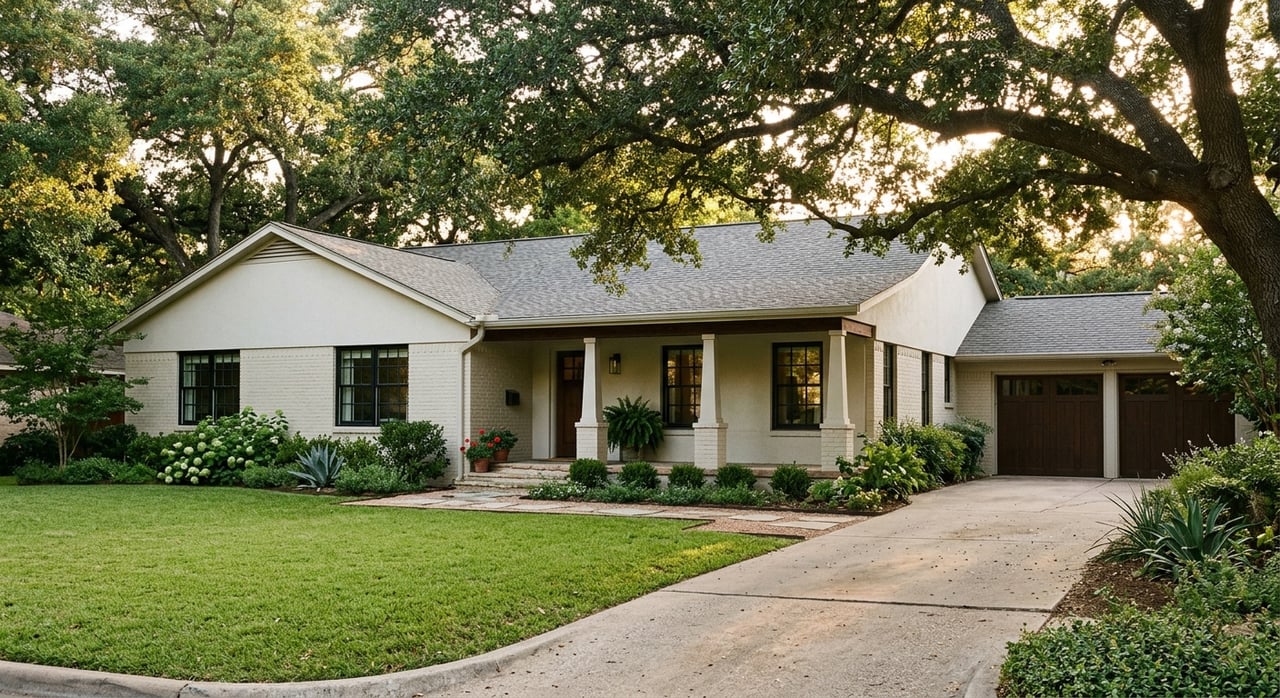
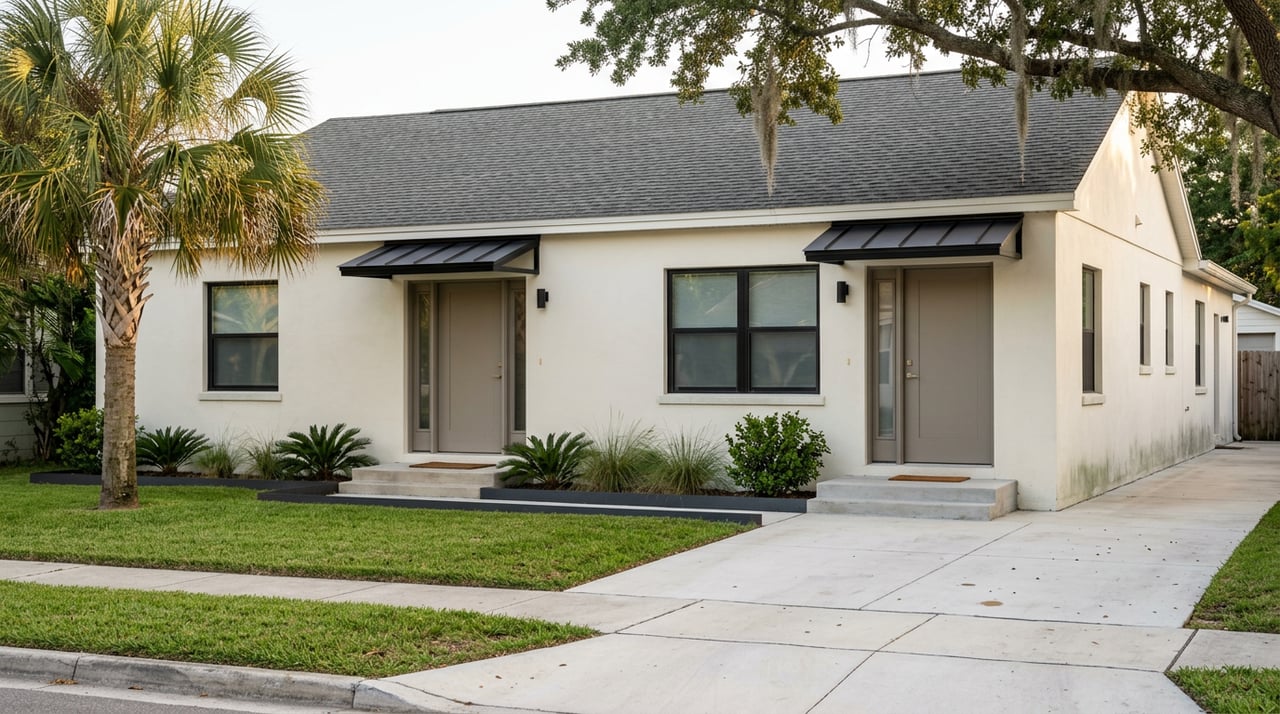
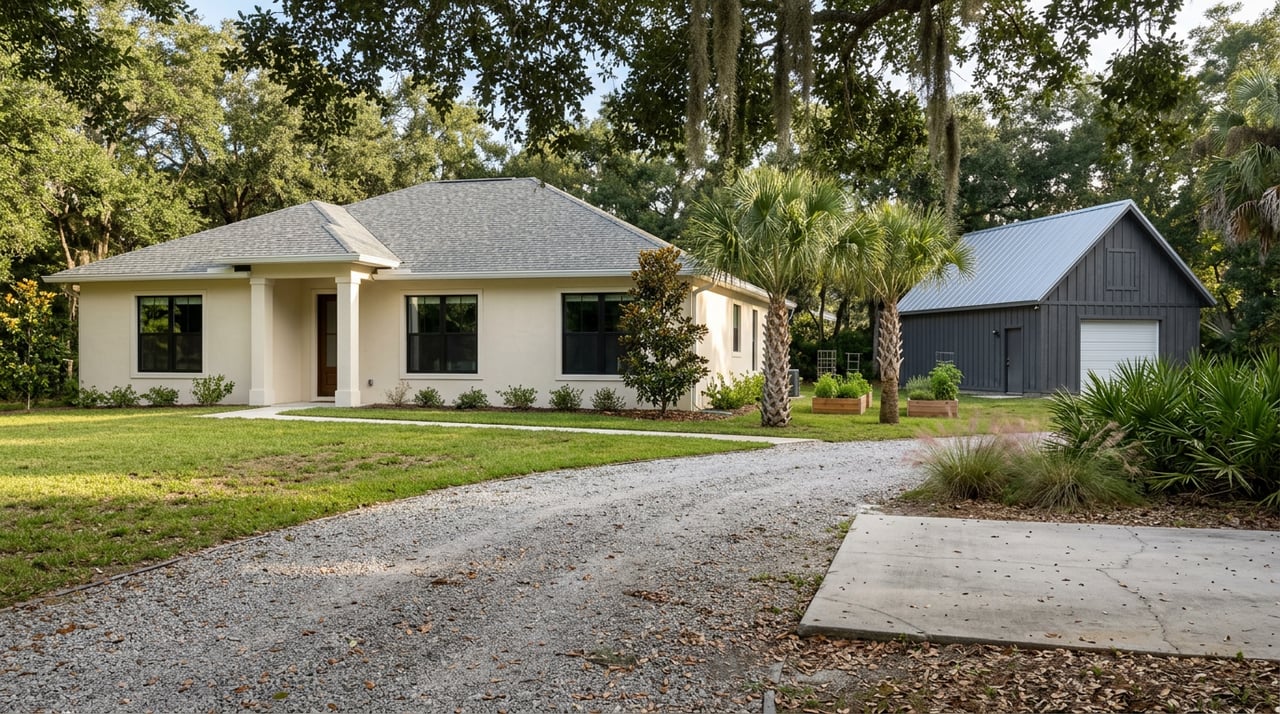
Across the broader city, the inventory leans heavily postwar. Clearwater’s consolidated plan says 59% of owner-occupied units were built from 1950 to 1979, while only 10% were built in 2000 or later. That means many flip opportunities are more likely to involve mid-century homes where electrical, plumbing, roofing, windows, and general deferred maintenance matter as much as kitchen and bath updates.
Older Homes Need a Different Budget
With older homes, your renovation budget should go beyond the visible items. A house may need HVAC, plumbing, electrical, roofing, or window work before cosmetic improvements truly add value. If you underwrite the project as a surface-level remodel, your numbers can fall apart quickly.
Clearwater also treats pre-1980 housing as higher lead-paint-risk stock. The city’s plan notes a large number of owner-occupied units were built before 1980, so safer rehab practices and proper disclosure should be part of your planning. This is one more reason older properties require a more careful scope from day one.
Permits Matter More Than Many Buyers Expect
In Clearwater, permits are not a side issue. The city requires a building permit for construction, enlargement, alteration, repair, moving, demolition, or occupancy changes, along with regulated electrical, gas, mechanical, and plumbing work. Fence installation or replacement also requires a permit.
By contrast, some lighter updates do not require one. The city states that painting, wallpaper, tile or carpeting, replacing cabinets or fixtures, and a very small roof leak under $500 do not require permits. That distinction is useful, but most true flip projects go well beyond cosmetic work.
You should also pay close attention to permit status before you buy. Open permits can expire after six months without a passed inspection, and unresolved permit history can affect resale. For a flip, permit closeout is part of protecting your exit strategy, not just checking a box.
Bigger Renovations Need More Documentation
For projects valued above $5,000, Clearwater requires a recorded Notice of Commencement before permit issuance. The city also calls for product-approval documents for certain exterior products such as windows, doors, garage doors, skylights, and roofing materials. If your plan includes major exterior upgrades, this can affect both timing and paperwork.
That matters in a coastal Florida market where replacement windows, roofs, and impact-rated products are common parts of a rehab plan. If your contractor and suppliers are not organized, delays can build fast. A smooth project often starts with a realistic document checklist, not just a construction budget.
Flood Review Can Change the Deal
Flood due diligence is one of the most important Clearwater-specific steps. The city provides parcel-level flood zone information, base flood elevation, design flood elevation, elevation certificates, and substantial-improvement history through its flood and elevation mapping tools. Those details can change the cost and complexity of a project in a major way.
A property may look attractive based on price and resale potential, but flood compliance or elevation issues can shift the deal after you dig deeper. The city also notes that FEMA flood maps changed in 2021, and some areas including Clearwater Beach, Sand Key, and Island Estates use Pinellas County vulnerability-assessment data to establish base flood elevation.
For you as a buyer or investor, this means flood review should happen early. Waiting until later in the process can turn what looked like a promising opportunity into a much tighter margin than expected.
Historic Areas Add Another Layer
If you are considering a property with historic status, the rules can be more involved. Clearwater’s local historic register is aimed at resources built before 1940, and locally designated historic properties require a Certificate of Appropriateness before physical alteration, demolition, relocation, or new construction on the site.
That does not mean these homes are bad flip candidates. In fact, character-rich homes can stand out in the resale market when restored thoughtfully. It does mean you should verify designation status and review requirements before assuming your renovation plan is straightforward.
The city also notes that Downtown, US 19, and the Beaches have special design standards. If your project depends on zoning or future land use changes, the city says that process can take up to eight months or more, which is a major timeline consideration for any flip.
Clearwater Beach Is Its Own Submarket
Clearwater Beach deserves separate treatment because it follows a different set of practical rules. The city’s Beach by Design plan divides the beach into eight character districts and applies design guidelines, including greater setbacks or stepbacks for taller buildings. That creates a different development and renovation environment than what you may see inland.
If you are looking at a beach-area project, do not assume the same playbook applies. Design review, flood issues, and location-specific rules can all have a larger impact there. Beach properties may offer strong appeal, but they usually require even more discipline on the front end.
Build the Right Local Team
In a market like Clearwater, your vendor team can directly affect your profit. Pinellas County warns property owners not to hire unlicensed contractors and provides a Contractor Search tool to verify eligibility. The Florida Department of Business and Professional Regulation also says each construction business must be qualified by a properly licensed individual contractor.
That supports a simple rule for flips here: verify everyone. A strong team often starts with a properly licensed general contractor and verified subcontractors, then expands to include local inspectors, title and closing professionals, and financial and legal advisors. In an older, flood-aware market, details matter.
If you are modeling a deal, it is also smart to consult a lender, CPA, and attorney before closing. Flood insurance, holding costs, permit timing, and resale timing can all change once due diligence is complete. In other words, the best flips in Clearwater are usually managed like serious projects, not side hustles.
What Makes a Strong Flip Opportunity
The most promising Clearwater opportunities are often not the prettiest listings on day one. They are properties where you can clearly identify the problem, estimate the repair scope, and verify the path to a compliant resale. Sometimes that means updating a postwar ranch with worn systems, and sometimes it means carefully restoring an older home with character.
A strong candidate often checks several boxes:
- The purchase price reflects real condition issues
- The repair scope is clear and supported by inspections
- Permit requirements are understood upfront
- Flood and elevation concerns have been reviewed early
- Historic or design-review issues have been verified
- Your contractor team is licensed and organized
- The resale plan fits the property’s condition, style, and location
That is the difference between chasing a flip and selecting one. In Clearwater, the best opportunities usually come from solving meaningful property problems with a clean plan and disciplined execution.
The Clearwater Opportunity, Realistically
Clearwater can absolutely offer fix-and-flip potential, but it is not a market where you want to guess. Its older housing stock, permit requirements, flood considerations, and occasional historic-review issues all make due diligence part of the value equation. When you get those pieces right, you can position yourself for a much more confident purchase and resale.
If you are exploring renovation or flip opportunities in Clearwater, it helps to work with a local team that understands both the lifestyle appeal and the numbers behind the deal. For guidance on Clearwater properties, renovation potential, and smart next steps, connect with Lori Moses.
FAQs
What makes Clearwater different for fix-and-flip investing?
- Clearwater has older housing stock, permit-sensitive renovation rules, flood-review considerations, and some historic or design-review requirements that can affect scope, timing, and resale.
What types of homes are common in Clearwater flip opportunities?
- You may find early architectural homes in areas like Harbor Oaks and many postwar ranch-style homes across the city, with each type bringing a different renovation approach.
What renovation work in Clearwater usually needs a permit?
- Clearwater requires permits for many construction, alteration, repair, demolition, occupancy-change, electrical, gas, mechanical, plumbing, and fence projects, while some light cosmetic work does not require one.
Why is flood review important for Clearwater properties?
- Flood zone data, elevation requirements, and substantial-improvement history can affect renovation costs, compliance needs, and the overall profitability of a flip.
Do historic Clearwater homes have extra renovation rules?
- Yes. Locally designated historic properties require a Certificate of Appropriateness before certain physical changes, demolition, relocation, or new construction on the site.
How should you build a contractor team for a Clearwater flip?
- You should verify contractor licensing and qualifications carefully, and many buyers also benefit from working with local inspectors, title professionals, and financial and legal advisors before closing.