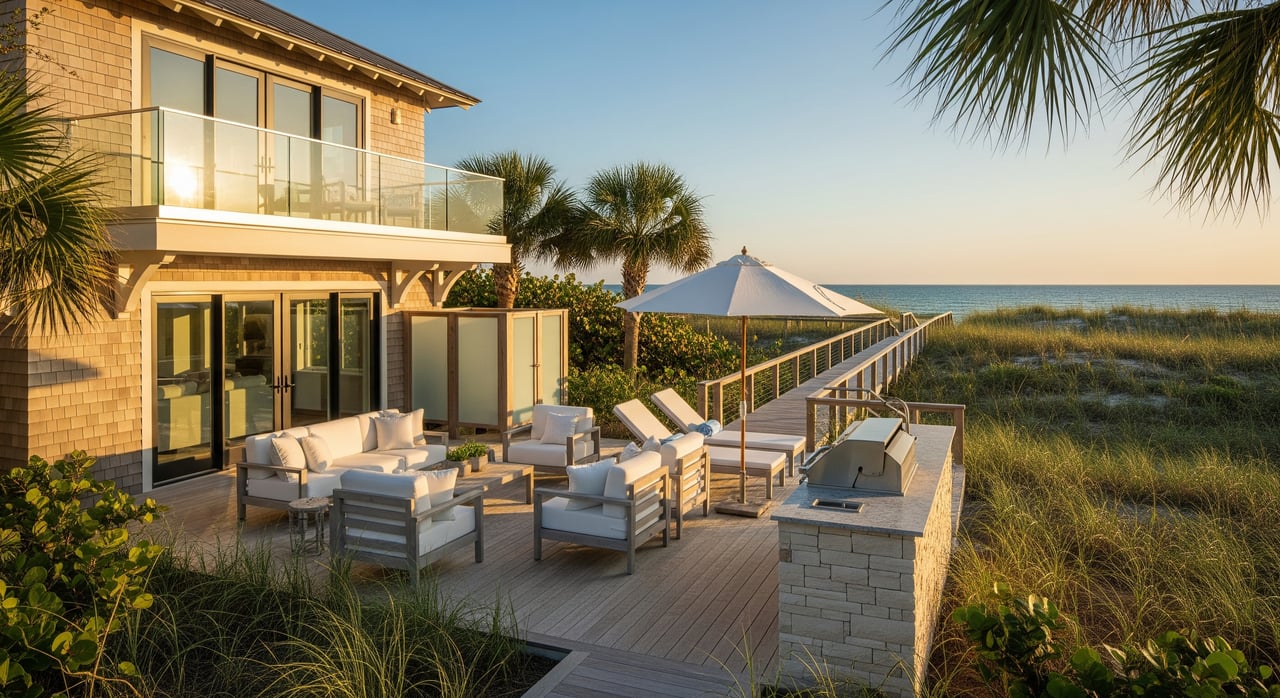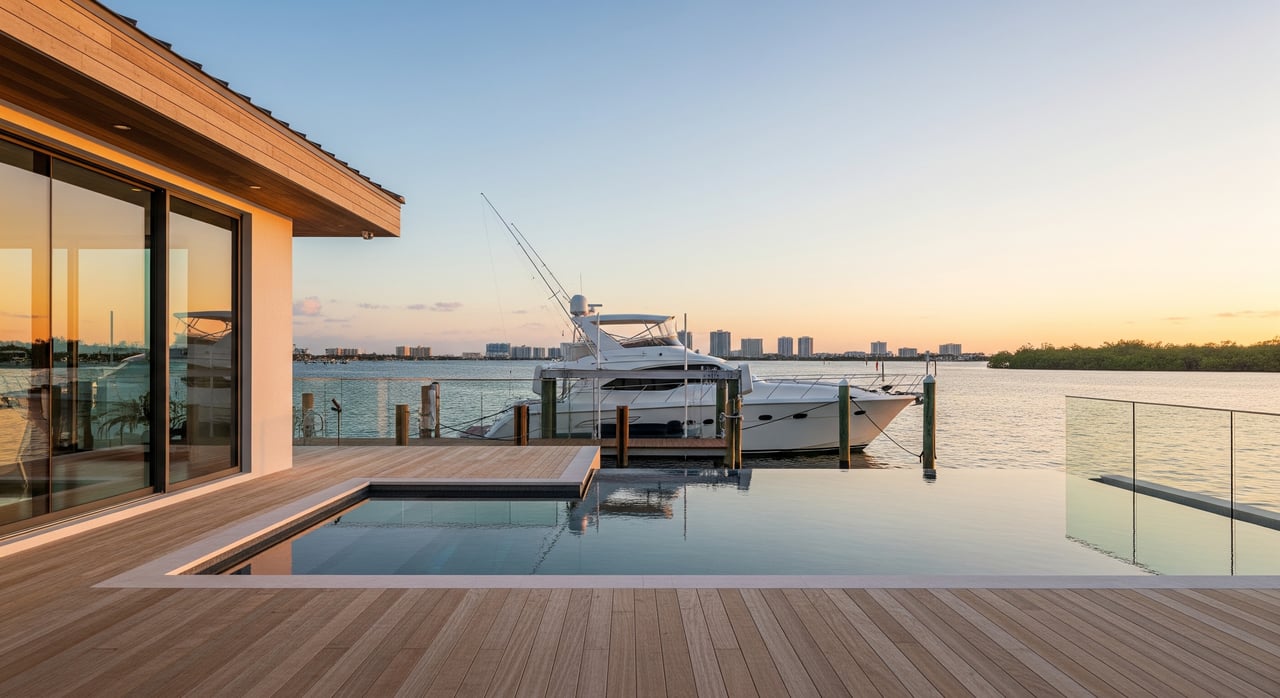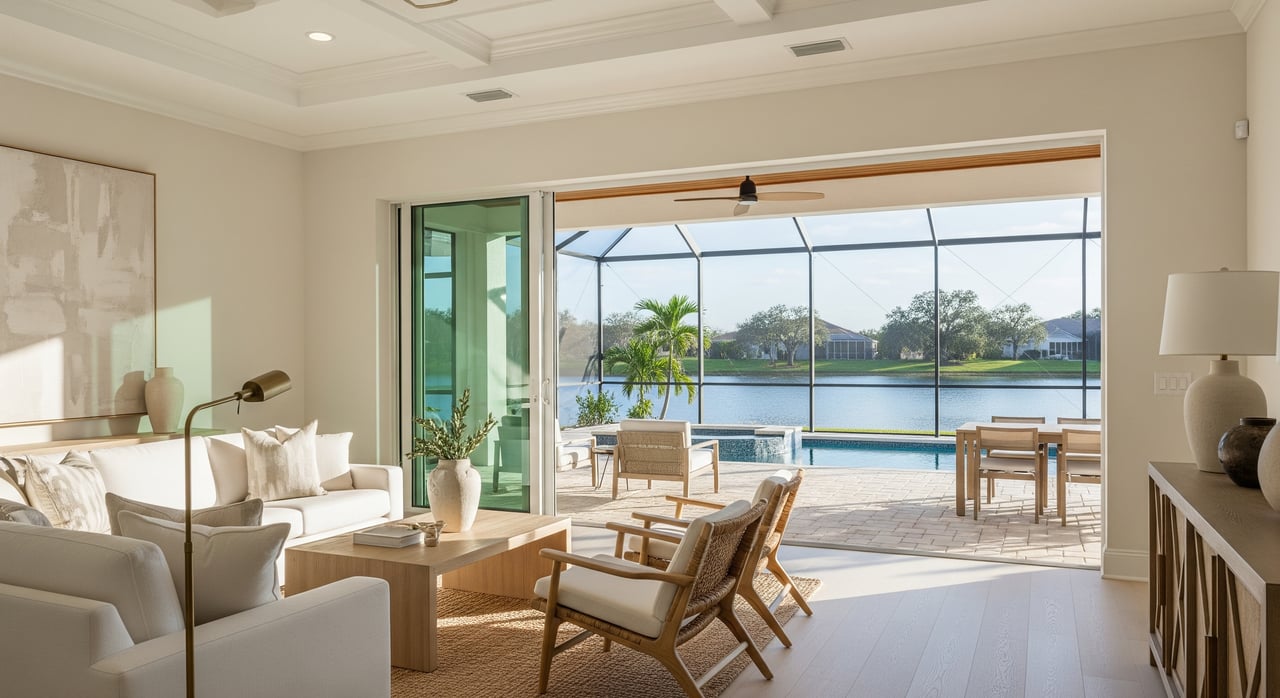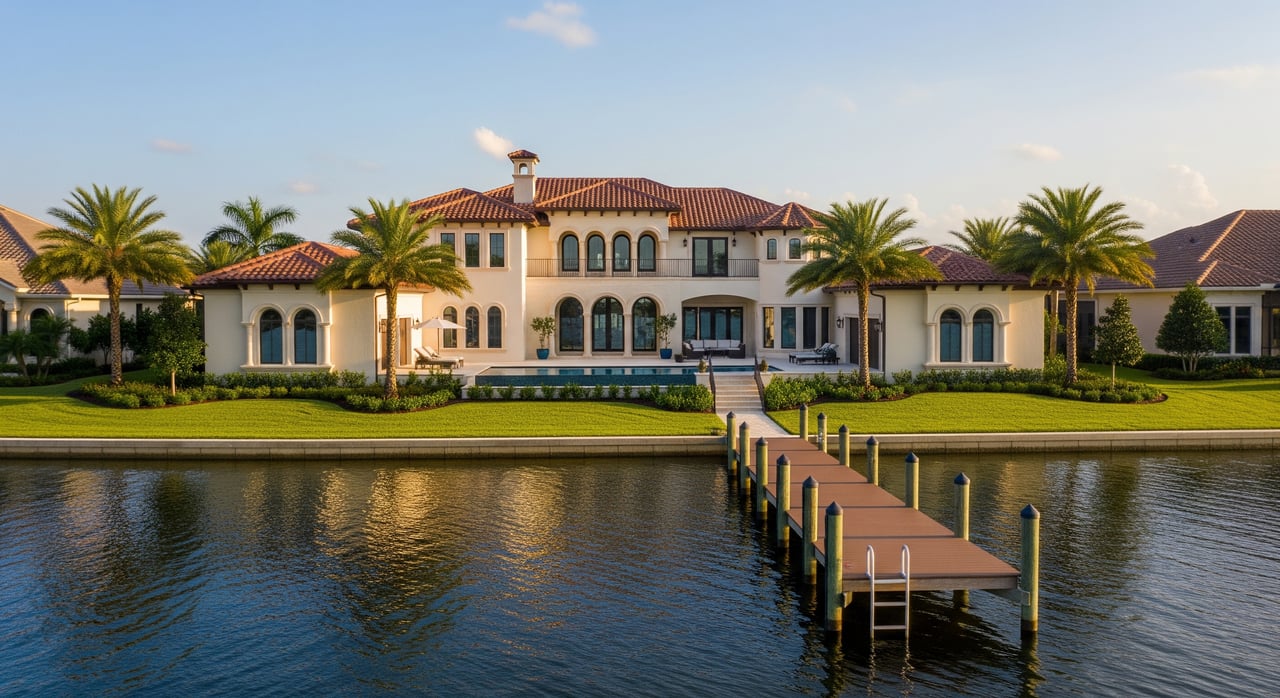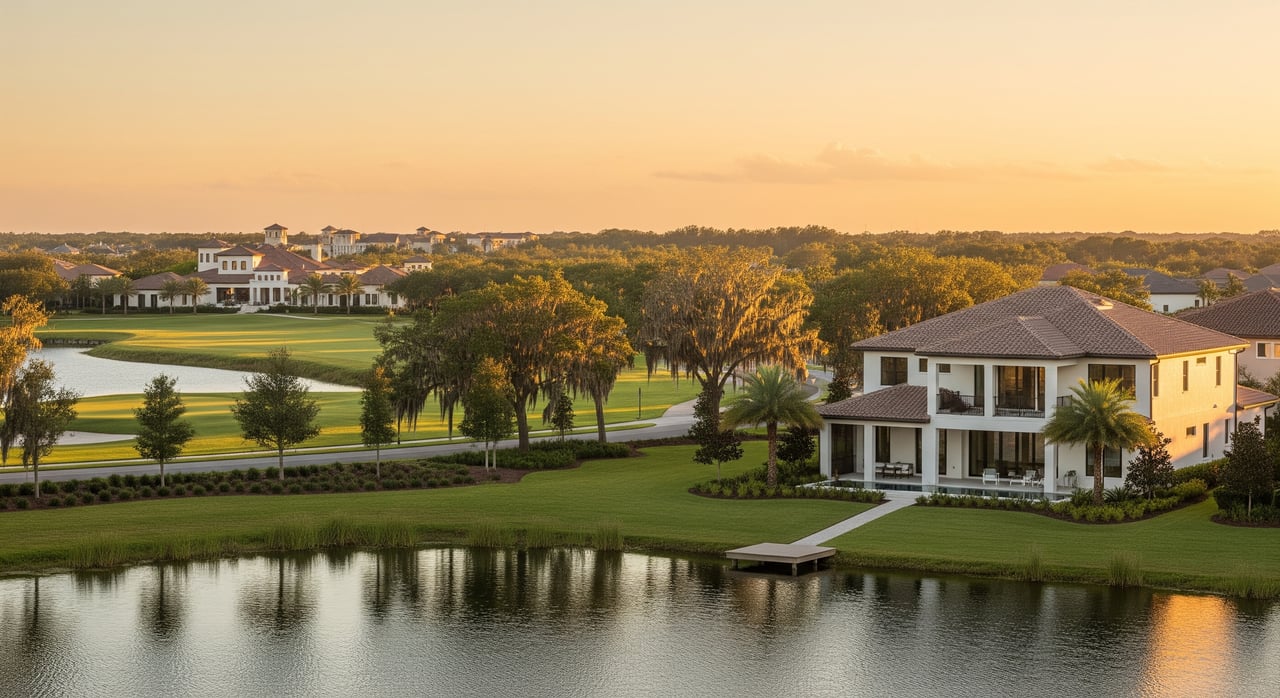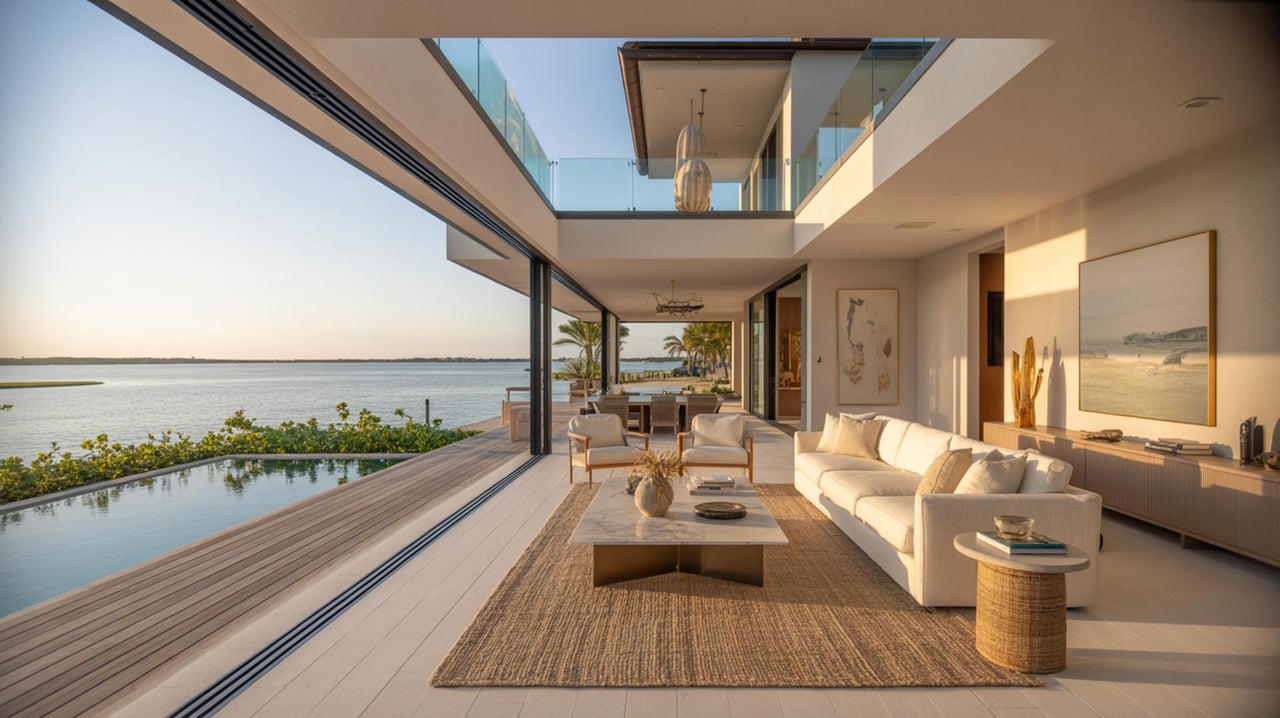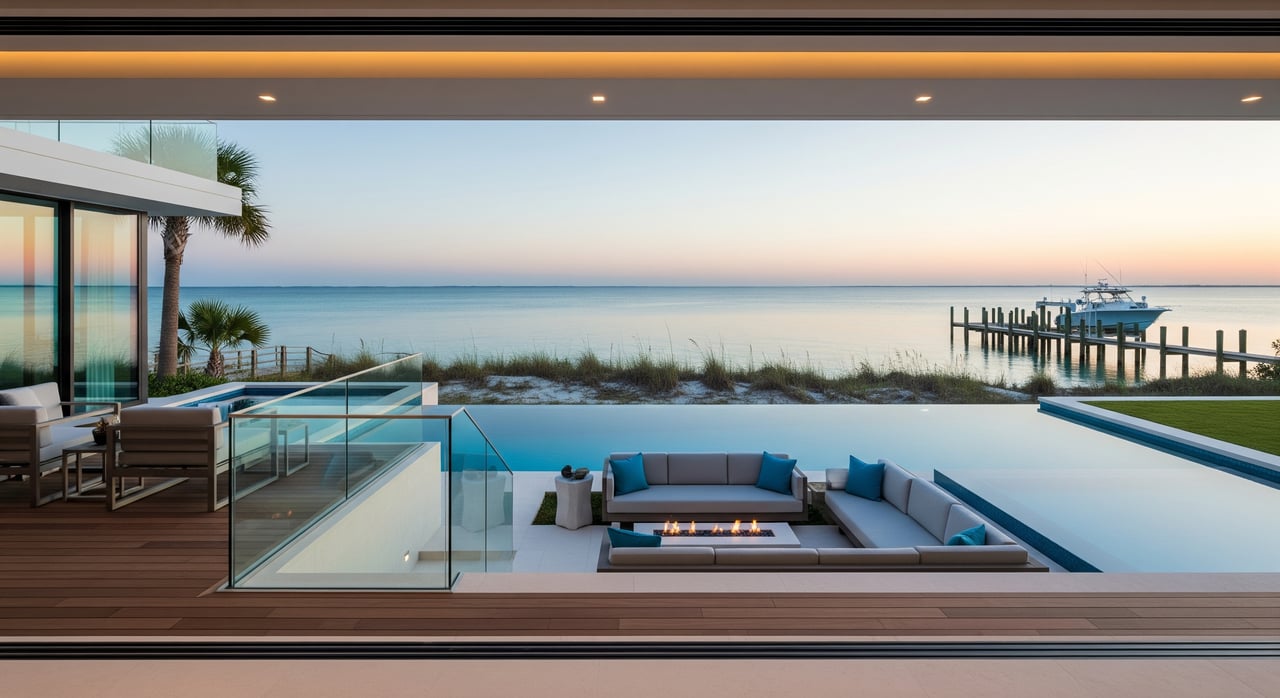
Is your St. Pete Beach waterfront home ready to shine on the market? Selling on the water is different from selling on a typical street. Buyers will ask tougher questions, and the right prep can protect your price. In this guide, you’ll learn how to price with confidence, handle flood and permit details, and market the lifestyle that makes Tampa Bay living so special. Let’s dive in.
Know your waterfront type
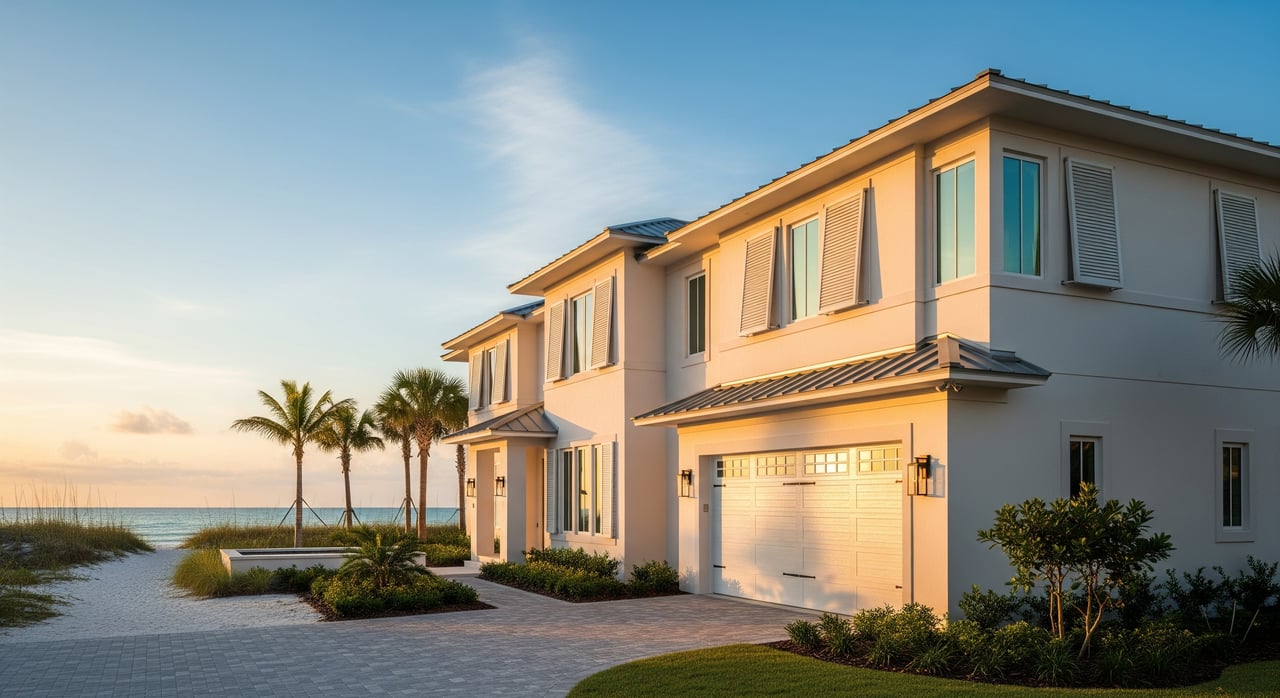
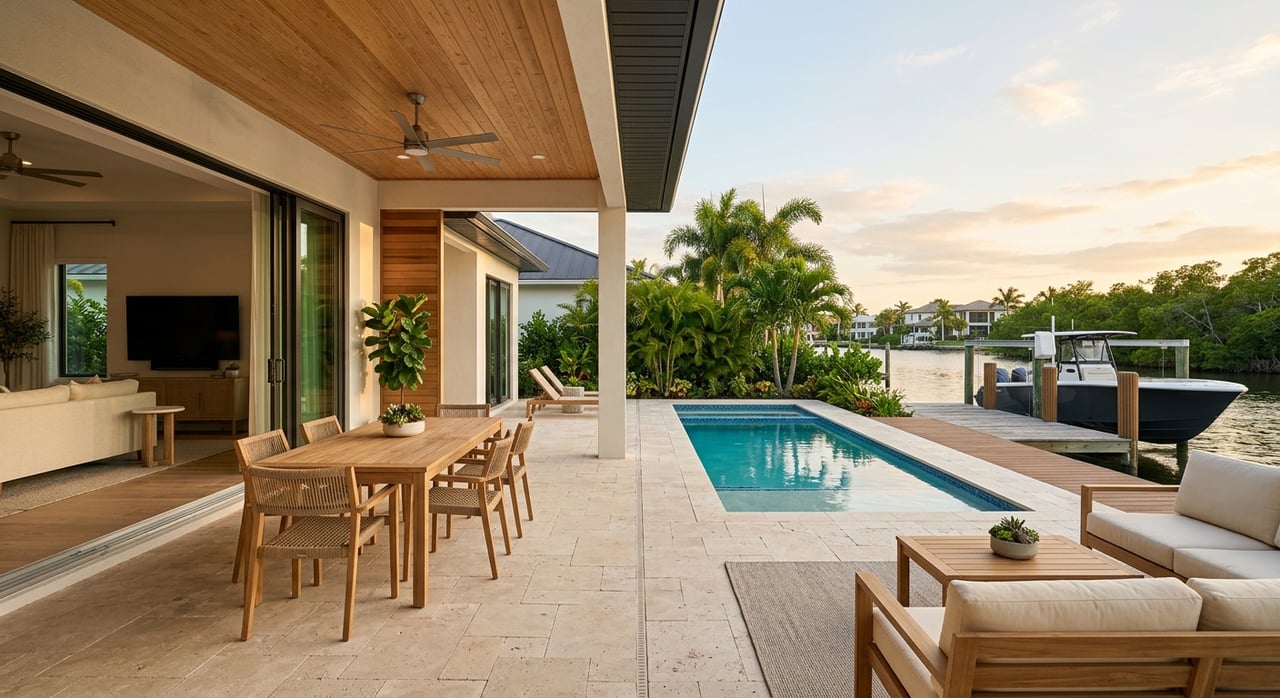
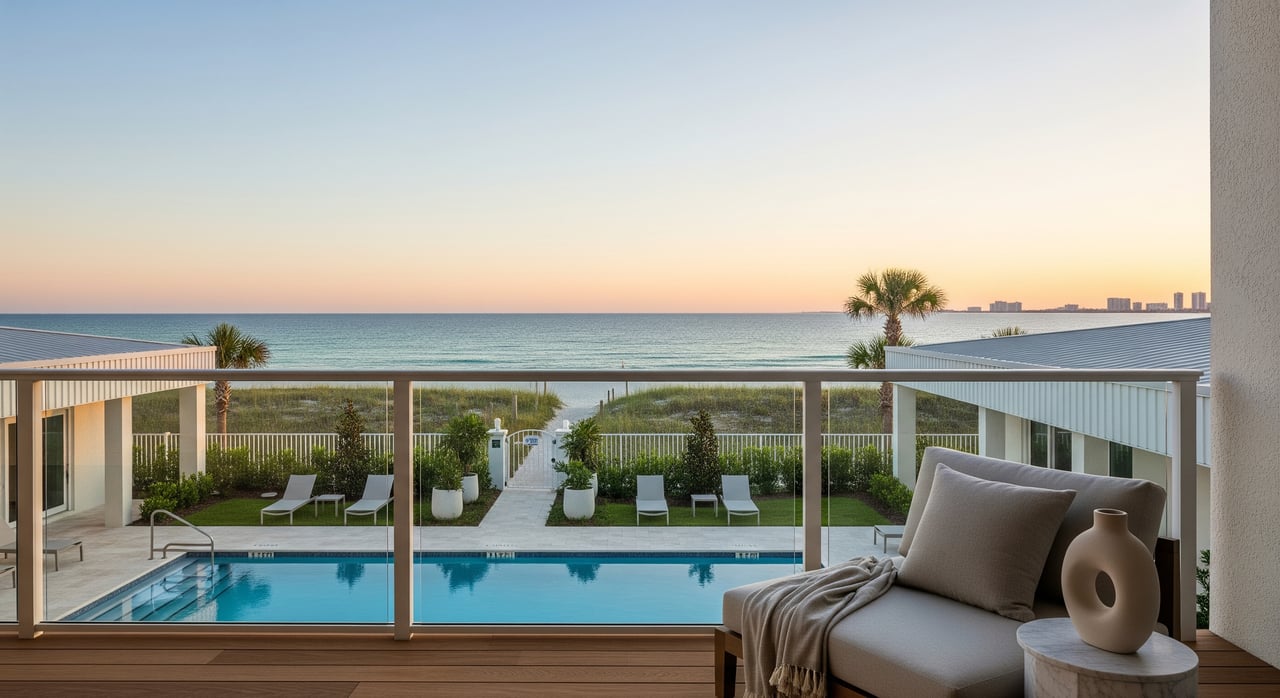
Not all waterfront is the same in St. Pete Beach. You may have direct Gulf frontage, a protected bay or intracoastal view, or canal access with a private dock. Each attracts different buyers and commands different premiums.
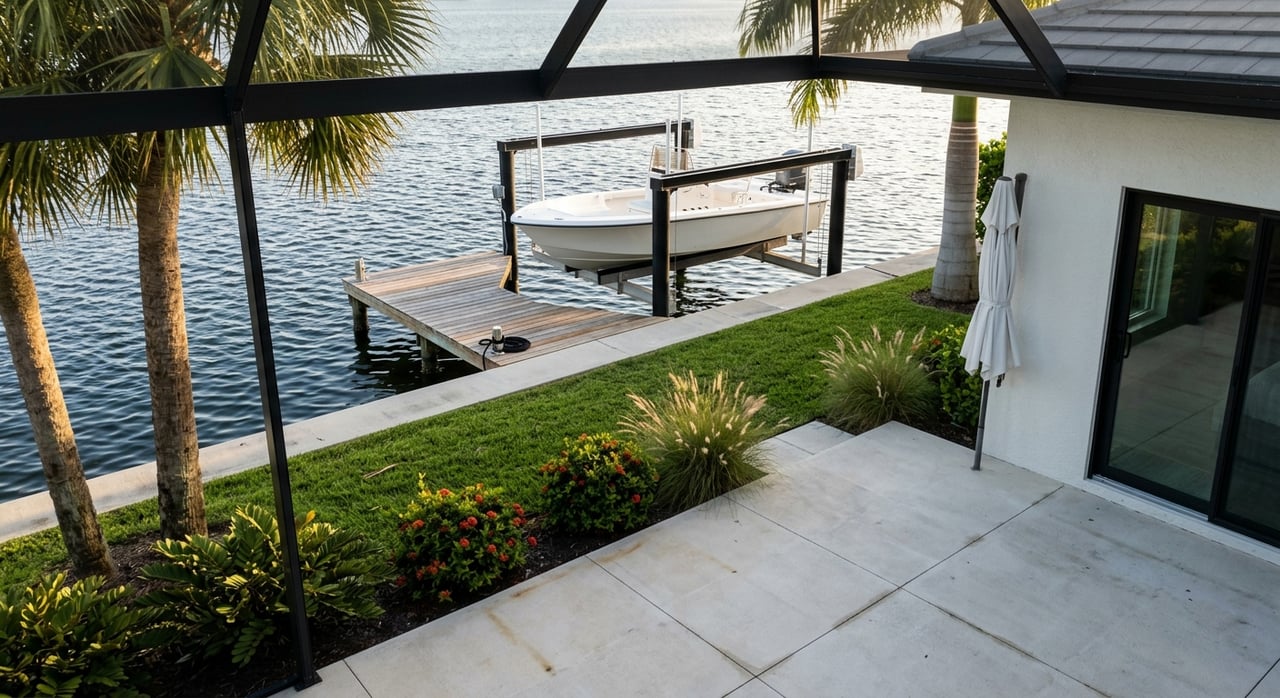
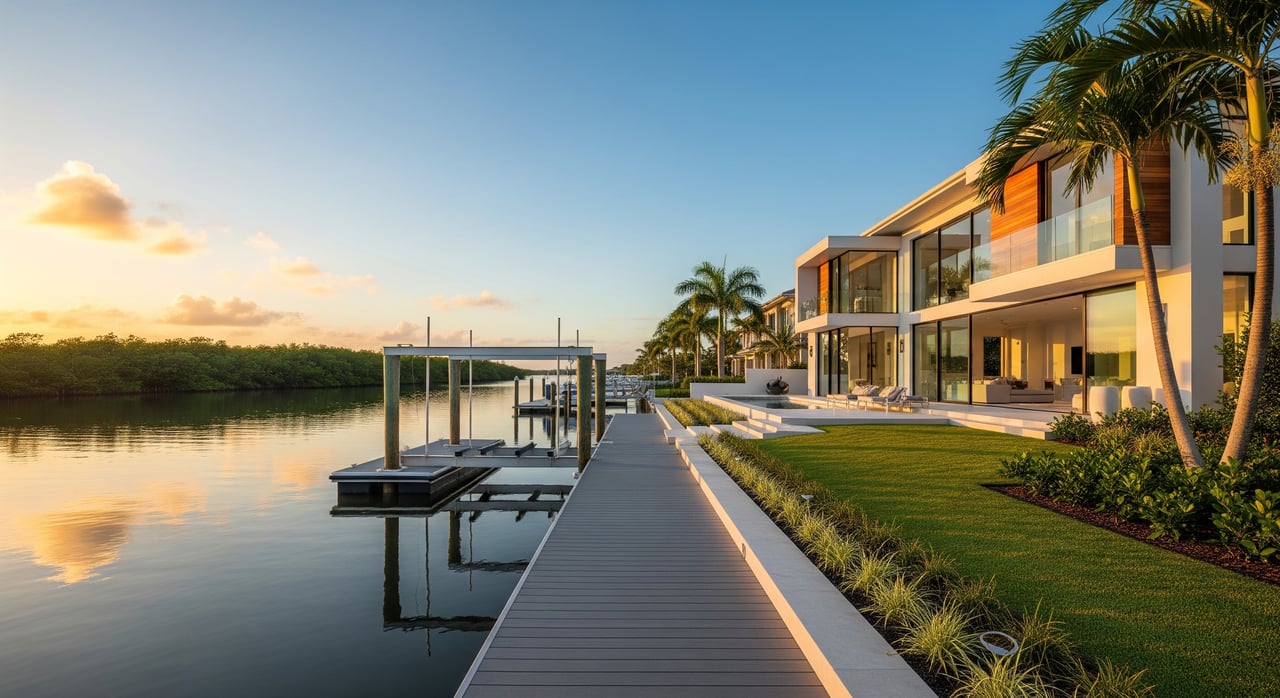
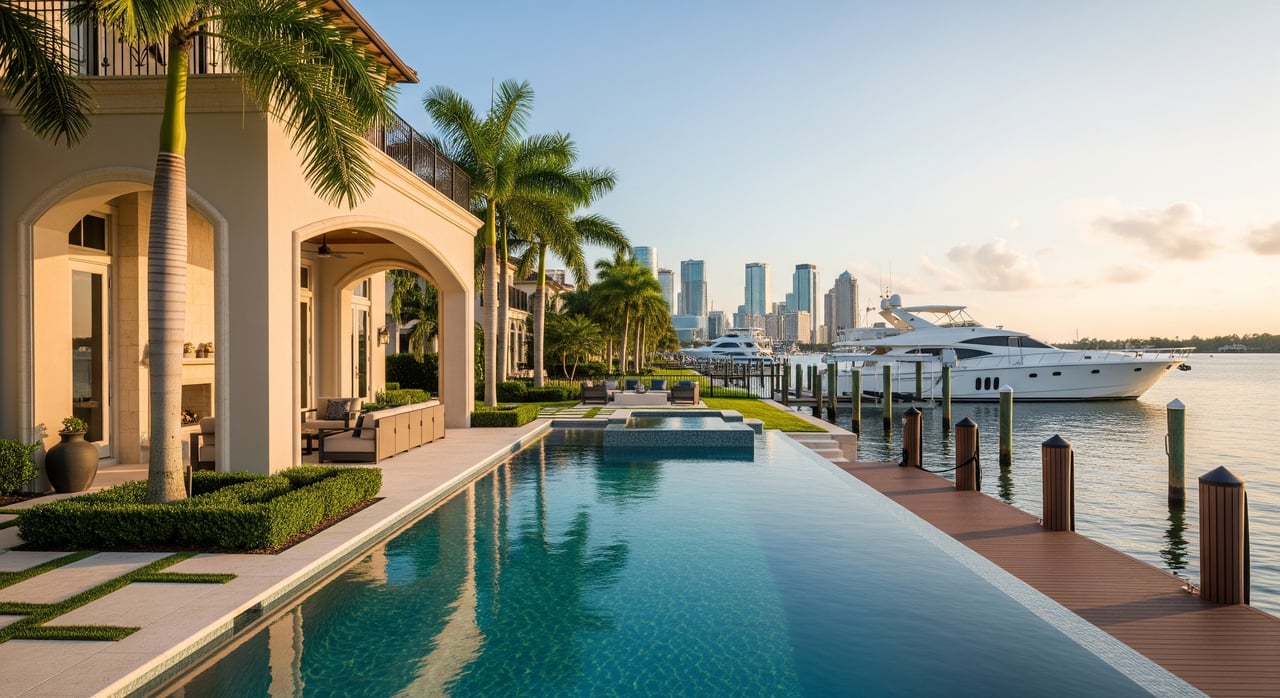
Tie your pricing and marketing to your specific setting. Gulf-front often emphasizes beach access and unobstructed sunsets. Bay and canal homes often focus on dockage, water depth, lift capacity, and quick access to open water. When you compare recent sales, use comps with the same water type, similar exposure, and similar seawall and dock condition.
Get your documents ready
Serious buyers expect clear, complete information for coastal property. Assemble these items before listing to reduce surprises and speed underwriting.
- Survey or plat, including any public beach access or recorded easements.
- Elevation Certificate, if available. If you do not have one, consider ordering one before listing.
- Permit history for seawall, dock, lifts, and any coastal or major structural work.
- Seawall and dock inspection reports or maintenance records.
- Roof, HVAC, and general inspection reports if recently completed.
- Current insurance declarations and any flood insurance information.
- HOA or condo documents that govern rentals, docks, or seawall maintenance.
- Utility details, including confirmation of sewer service.
You can verify parcel details and recorded data using the Pinellas County Property Appraiser. For city contacts and local permit guidance, check the City of St. Pete Beach.
Inspect seawall, dock, and systems
Coastal elements often drive negotiations. A proactive approach can protect your net price.
- Seawall: Confirm age, material, visible cracks, tie-backs, and any past repairs. If the wall is older or shows movement, obtain a professional evaluation. Documented stability is a major confidence booster for buyers.
- Dock and lift: Note permit status, pilings, deck boards, hardware, and lift capacity. If you know water depth at the dock or typical bridge clearance on the route to open water, include it in marketing.
- Salt exposure: Replace corroded hardware, touch up exterior paint, and refresh railings and outdoor living areas. Coastal buyers notice maintenance discipline.
Understand flood zones and insurance
Buyers will ask where your home sits on the FEMA flood map and what it costs to insure. Be ready with facts and links.
- Flood zone lookup: Use the FEMA Map Service Center to confirm your flood zone. Many waterfront parcels are in Special Flood Hazard Areas where lenders require flood coverage.
- Insurance basics: Flood insurance may be through the National Flood Insurance Program or private carriers. Premiums depend on elevation, flood zone, and past claims. Learn more at FloodSmart, the NFIP resource.
- Long-term risk context: Tides, storm surge, and sea-level trends are part of buyer due diligence. Provide objective references like NOAA Tides and Currents and the NOAA Sea Level Rise Viewer.
If you can share an Elevation Certificate and your current policy declarations, you’ll help buyers and their lenders estimate premiums more accurately. For statewide insurance oversight and market context, you can refer buyers to the Florida Office of Insurance Regulation.
Confirm permits and coastal rules
Waterfront work often requires extra approvals. Clarity here reduces delays later.
- Coastal Construction Control Line: Beachfront work may require special review. Check the Florida DEP’s program page on the Coastal Construction Control Line.
- Docks, seawalls, and dredging: These may involve city, county, and federal permits. Work below mean high water often needs U.S. Army Corps of Engineers authorization. Review basics with the U.S. Army Corps of Engineers.
- Local permits: Pinellas County and St. Pete Beach handle building and shoreline-related permits. Start with Pinellas County Building and Permitting and your city’s building department.
Gather permit numbers and close-out documents for completed projects. If you discover unpermitted work, talk with your agent about options before you list.
Price with precision
Waterfront value is more art than formula. Premiums hinge on frontage length, view quality, Gulf or bay exposure, dock permitability, water depth, elevation relative to base flood elevation, and overall home condition.
- Choose comps carefully. Limit comparisons to the same waterfront category and similar exposure. Adjust for frontage, dockage, and condition.
- Consider a pre-listing appraisal or a broker price opinion if comps are sparse. A third-party perspective can anchor your strategy.
- Anticipate buyer mix. Many coastal buyers are cash or second-home purchasers. If you expect more financed buyers, weigh how insurance costs might affect affordability and offer clarity upfront.
Time your launch
St. Pete Beach draws year-round interest, but seasonal patterns matter. Listing a few weeks before peak visitor months can give you momentum with second-home and relocation buyers who plan ahead. For rare, distinctive properties, strategic timing is helpful, but professional photos and accurate positioning will have the biggest impact.
Market the water, not just the house
Great marketing tells a lifestyle story and backs it with facts. You want buyers to feel the sunset and see the data.
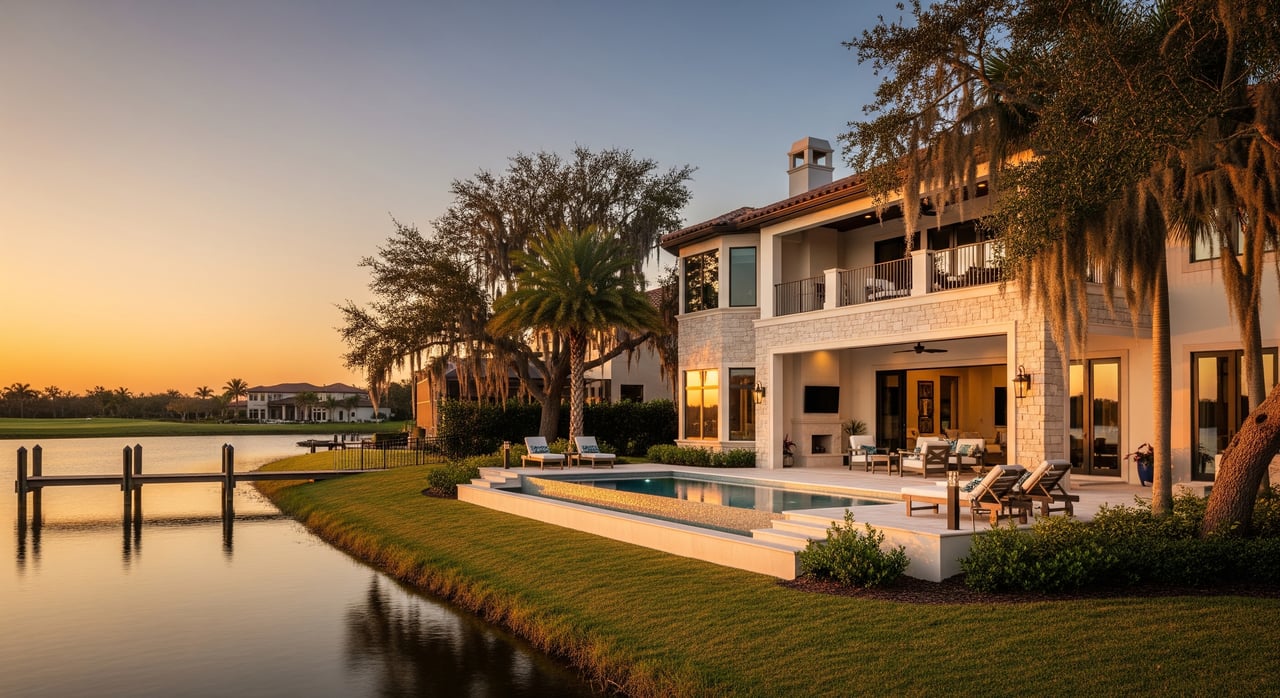
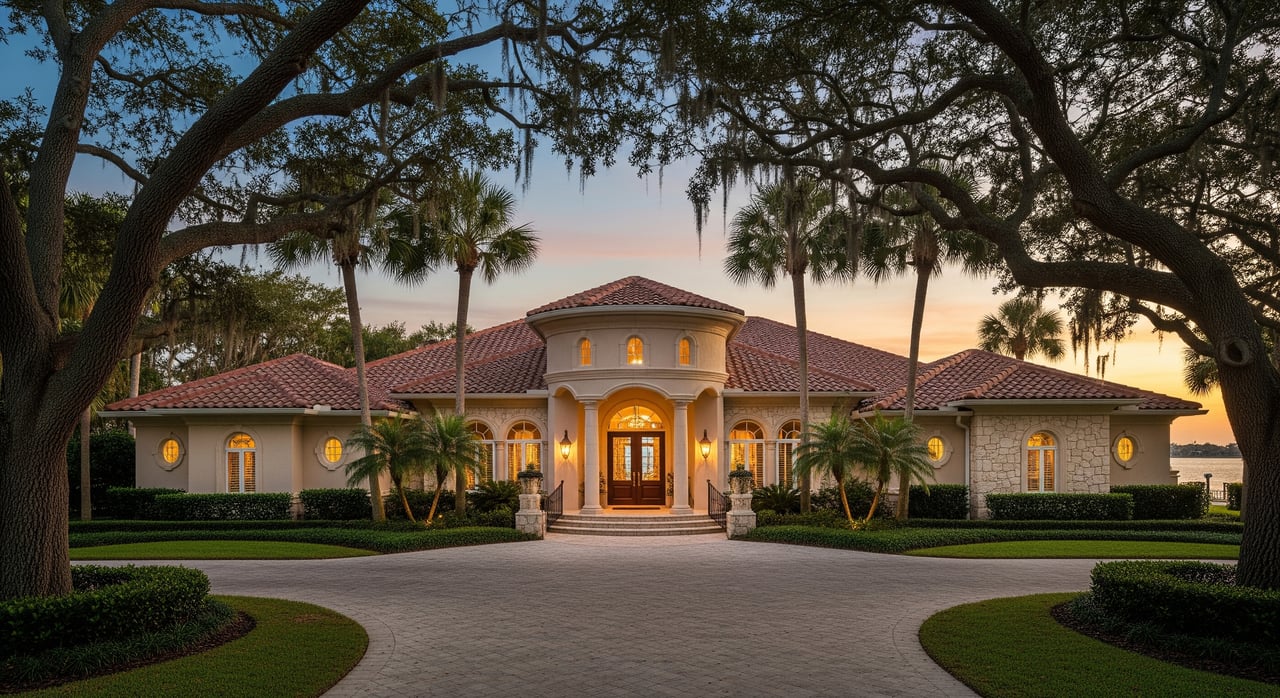
- Photography: Schedule golden-hour exteriors and, if shoreline and orientation matter, capture images at a favorable tide. Twilight photos can showcase outdoor lighting and waterfront ambiance.
- Aerials and video: Drone visuals help buyers understand proximity to the Gulf, orientation, dock layout, and the route to open water. Confirm local rules and community guidelines for drone use.
- Feature details buyers value: Dock lift capacity, approximate water depth at the dock, frontage length, recent seawall repairs or replacements, and any mitigation upgrades such as elevated utilities or flood vents.
- Be precise in your description: Clarify whether the property is direct Gulf-front, bay-front, canal-front, or has Gulf views without legal frontage. Transparency builds trust.
Showings that highlight lifestyle
Create a safe, memorable experience that makes the water the star.
- Safety first: Docks can be hazardous. Check boards and railings, post caution signs if needed, and keep pathways clear.
- Time it right: If possible, schedule showings to capture sunrise or sunset reflections and typical waterline conditions.
- Prepare outdoor spaces: Stage porches, lanais, and decks to frame the view. Remove clutter that blocks sightlines.
Anticipate buyer due diligence
Coastal buyers are thorough. Expect focused inspections and document requests, and prepare responses in advance.
- Inspections: Seawall, dock, pilings, roof, structural, and wood-destroying organisms are common. Have recent reports available where possible.
- Surveys and boundaries: Buyers may confirm the mean high-water line and ask about public access or easements. Keep your survey handy.
- Flood and insurance: Provide your Elevation Certificate and insurance information to speed underwriting. Point buyers to FEMA and FloodSmart for objective references.
- Environmental and erosion history: Offer any records of beach renourishment assessments, storm-damage repairs, or shoreline stabilization work. Clear disclosure reduces retrade risk.
Smooth closings on the coast
Prevent last-minute issues by coordinating permits, title, and lender needs early.
- Title and easements: Order title work early and confirm there are no unexpected beach easements or renourishment assessments affecting the property.
- Lender conditions: Some lenders have coastal-specific requirements for elevation or foundation types. Ask agents to coordinate early with the buyer’s lender to avoid surprises.
- Final documentation: Keep your permit close-outs, inspection receipts, and insurance documents organized for easy delivery during the contingency period.
Your next step
Selling a St. Pete Beach waterfront home is about precision and presentation. When you pair lifestyle-driven marketing with clean documentation and clear disclosures, you invite stronger offers and smoother negotiations. If you want a tailored pricing and prep plan for your specific waterfront type, reach out to Lori Moses for a no-pressure consult.
FAQs
What should St. Pete Beach sellers include in a waterfront listing?
- Provide the Elevation Certificate, survey, permit history for seawall and dock, insurance details, and clear descriptions of frontage type, dock specs, and any recent coastal repairs.
How do I check my flood zone before listing my coastal home?
- Look up your address on the FEMA Map Service Center, then share the zone and Elevation Certificate to help buyers estimate flood insurance.
Do I need special permits for dock or seawall work in Pinellas?
- Many waterfront projects require local permits and, if below mean high water, may need U.S. Army Corps review; start with city or county building departments and the U.S. Army Corps of Engineers.
How can I address buyer concerns about hurricane and flood insurance costs?
- Share your current policy details, Elevation Certificate, and direct buyers to FloodSmart and the Florida Office of Insurance Regulation for objective guidance.
What makes the biggest difference in waterfront pricing?
- Matching comps by water type and exposure, seawall and dock condition, view quality, frontage length, elevation relative to flood requirements, and overall home condition typically drive the premium.