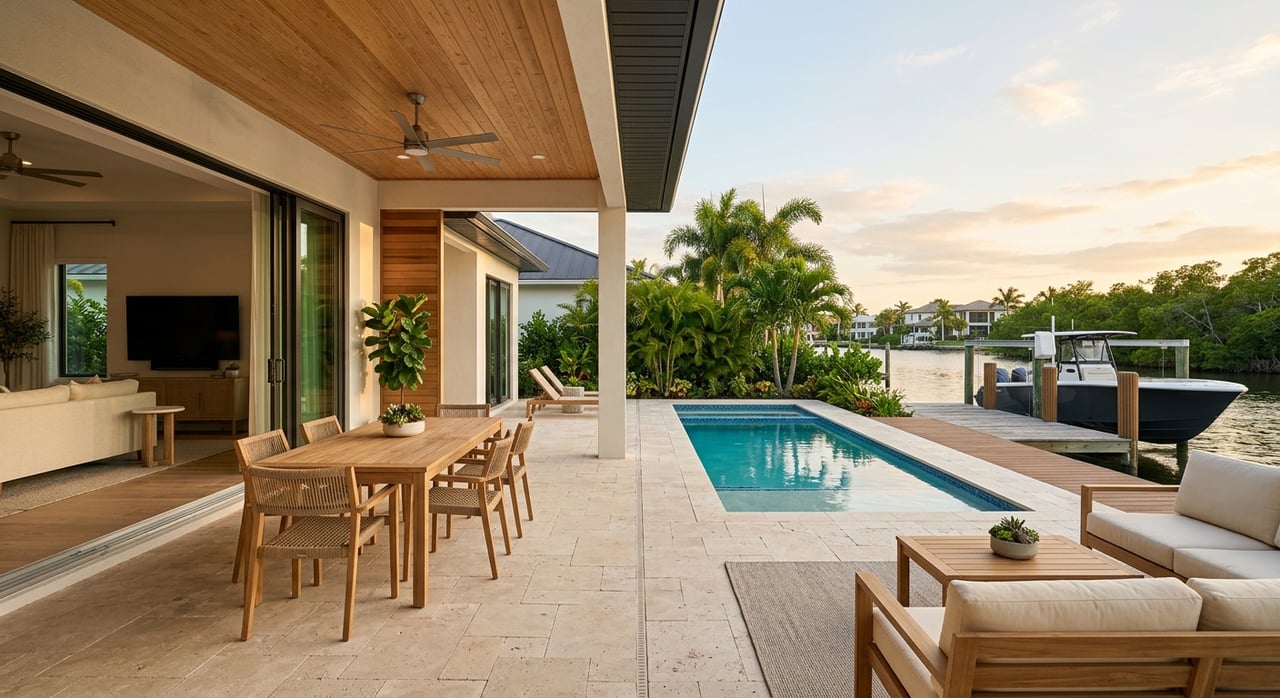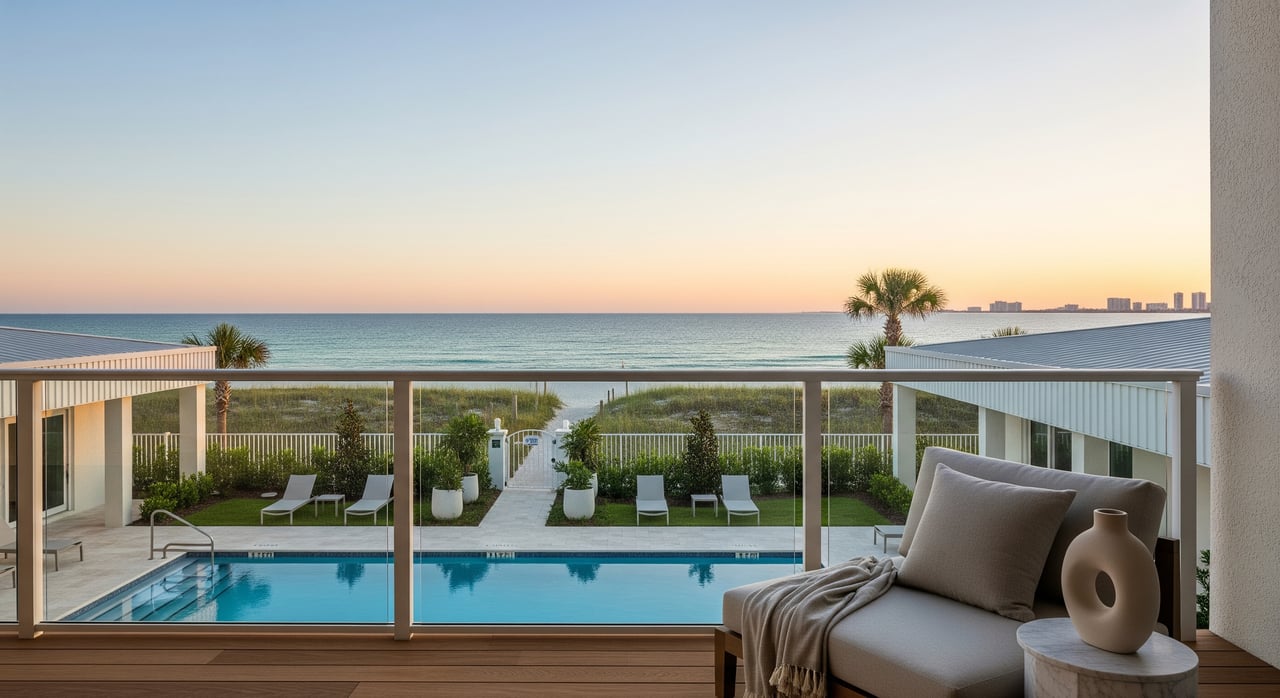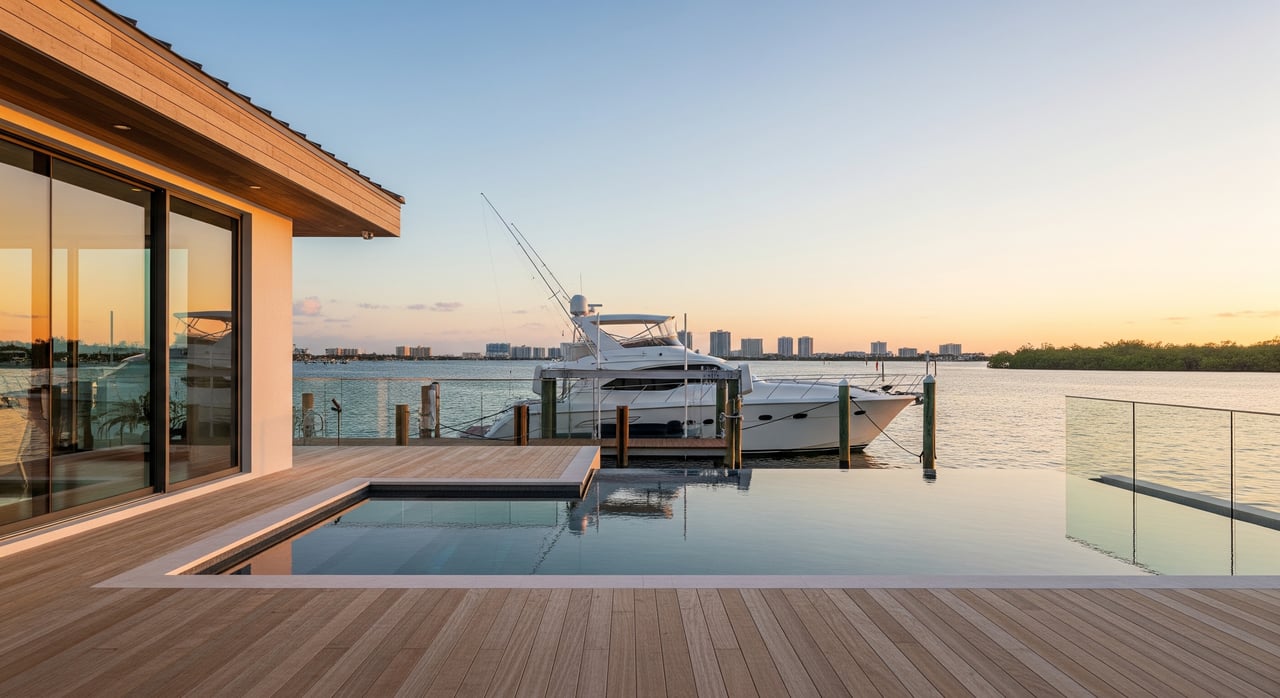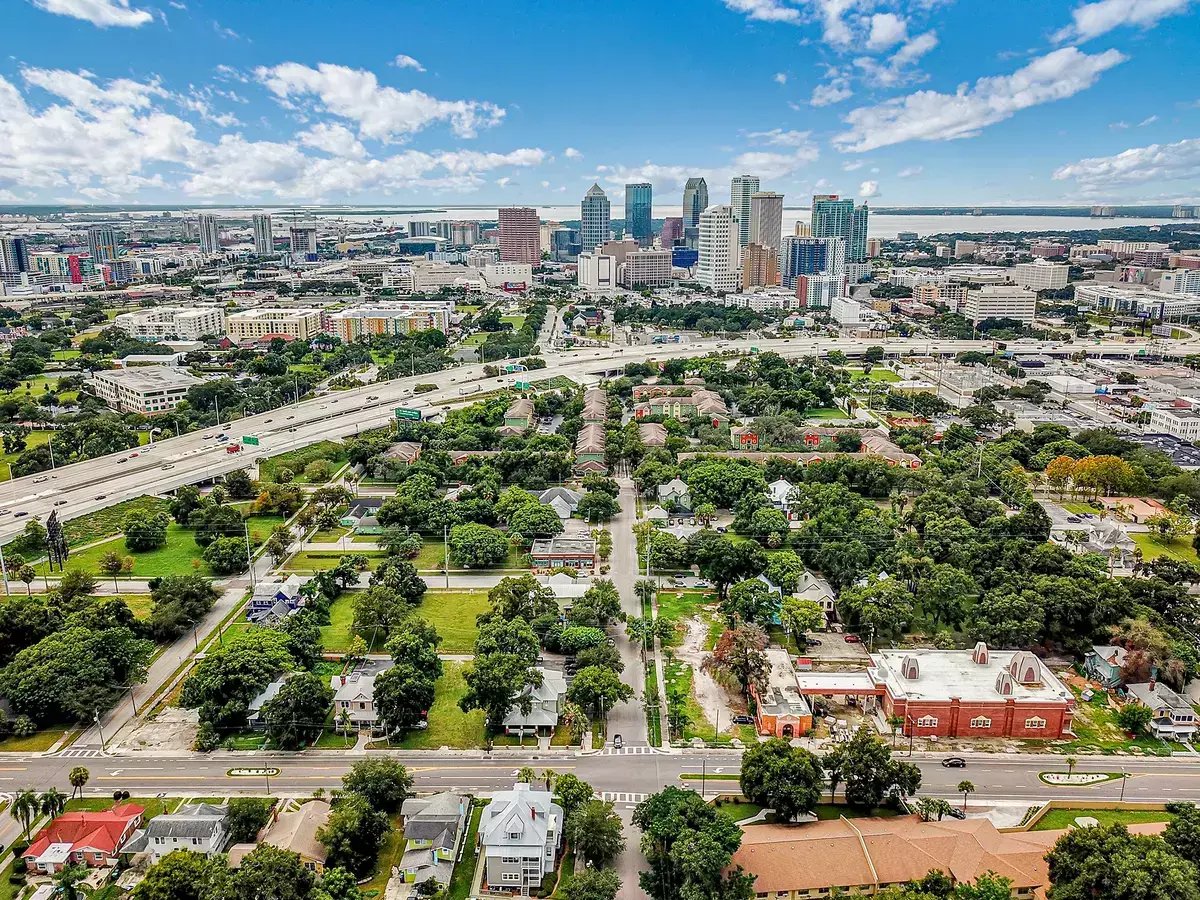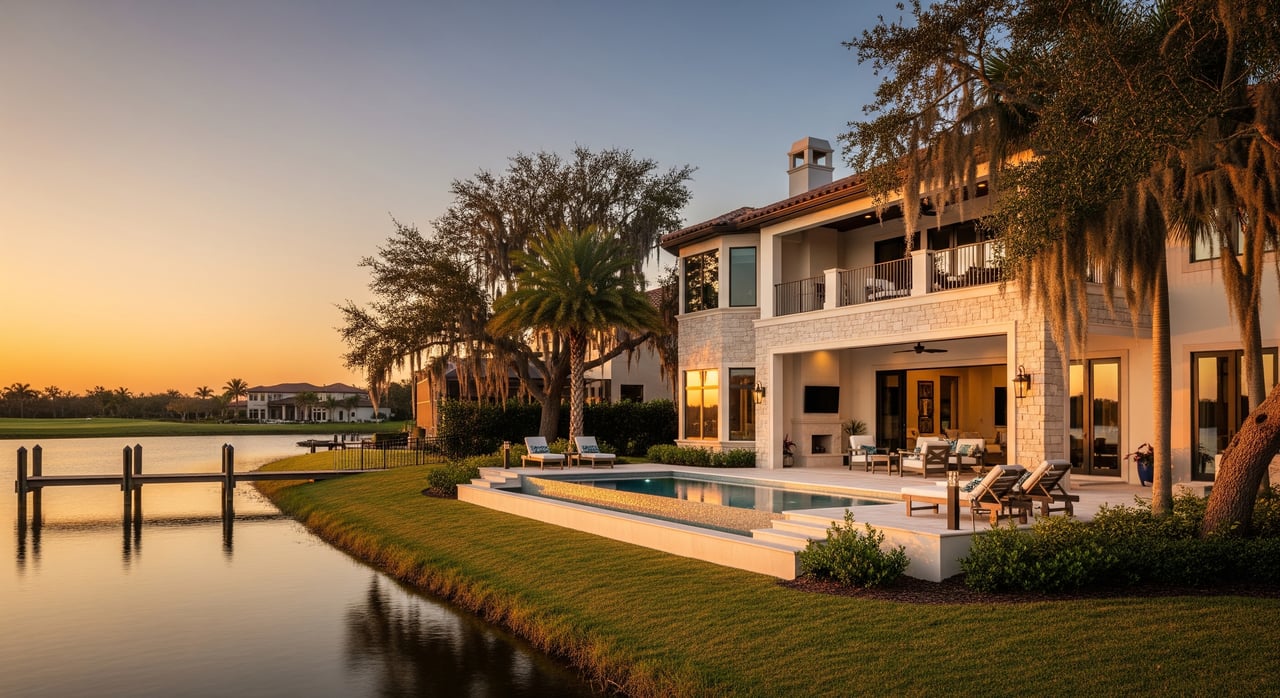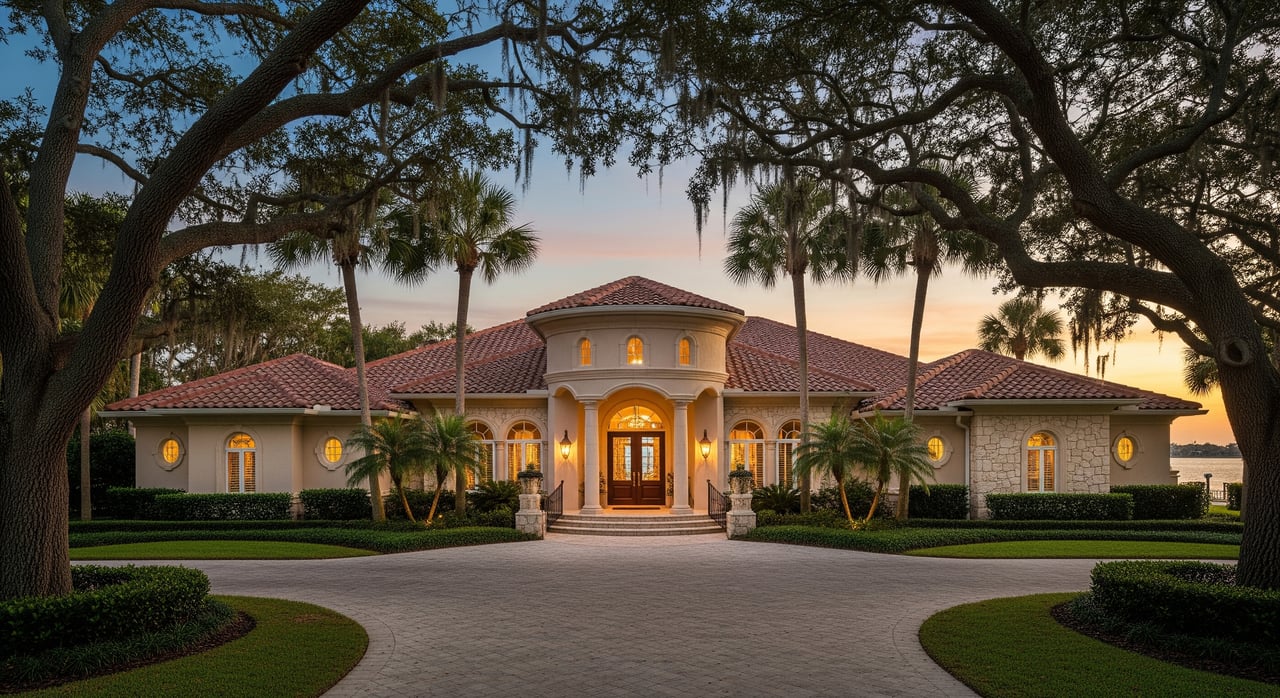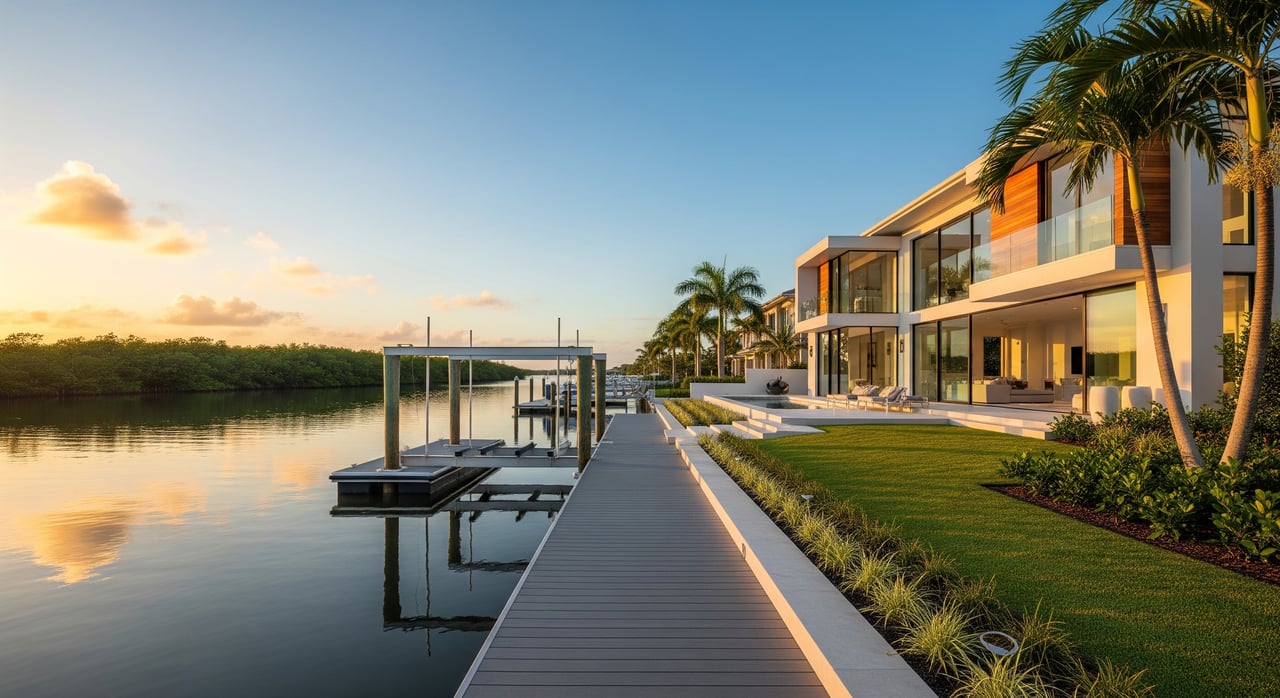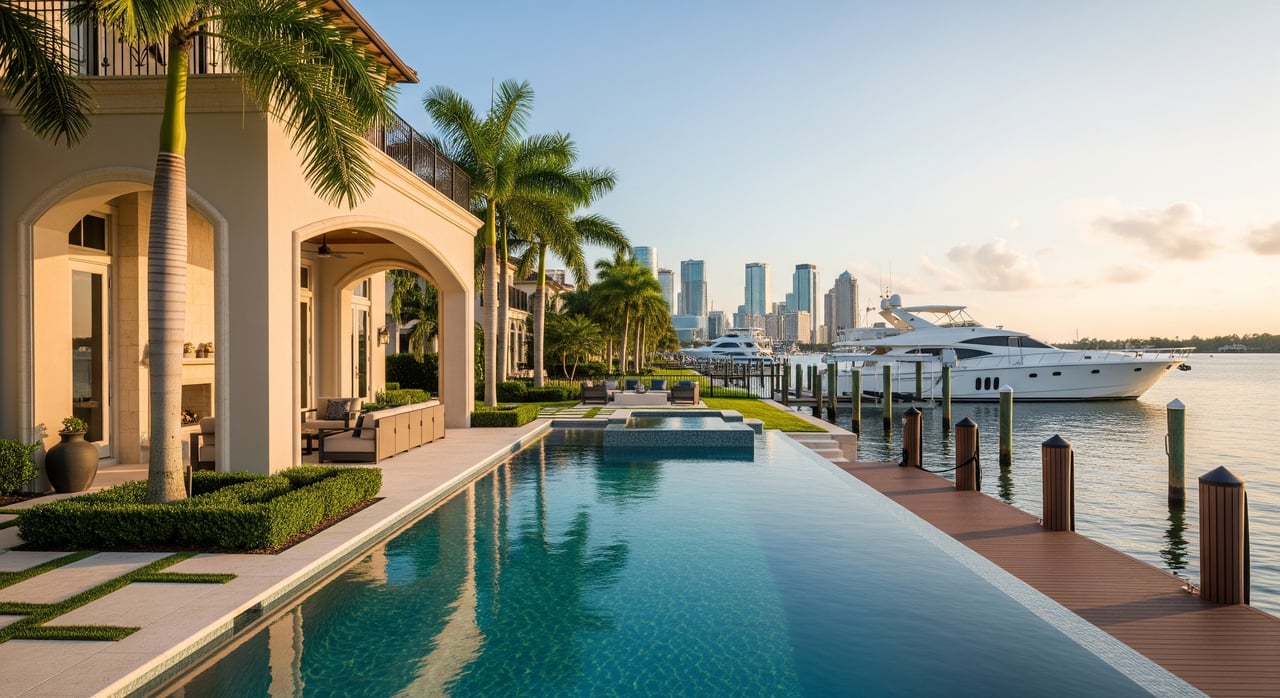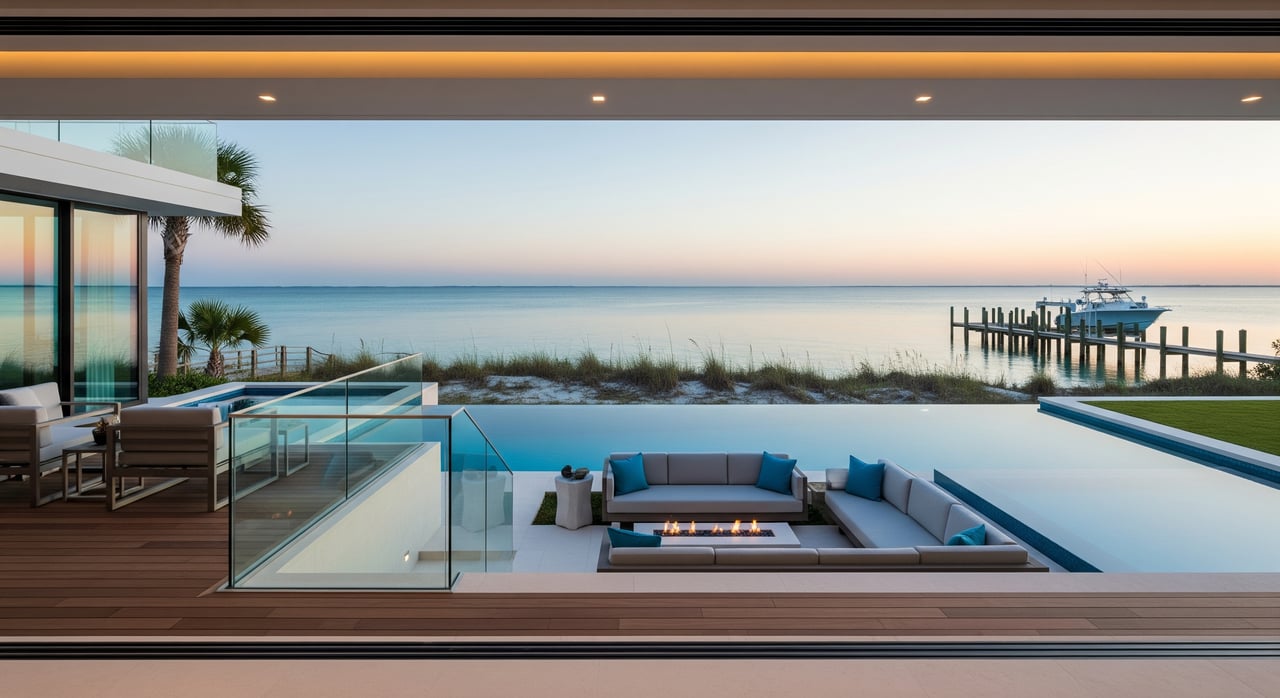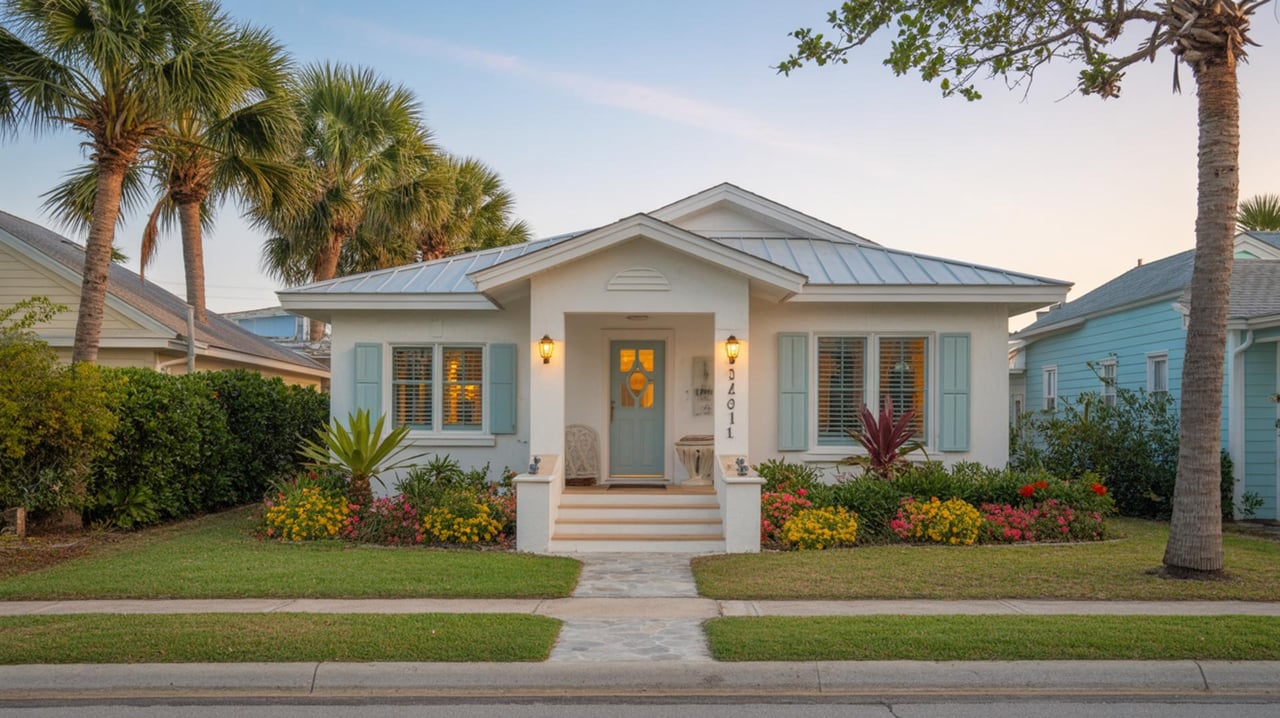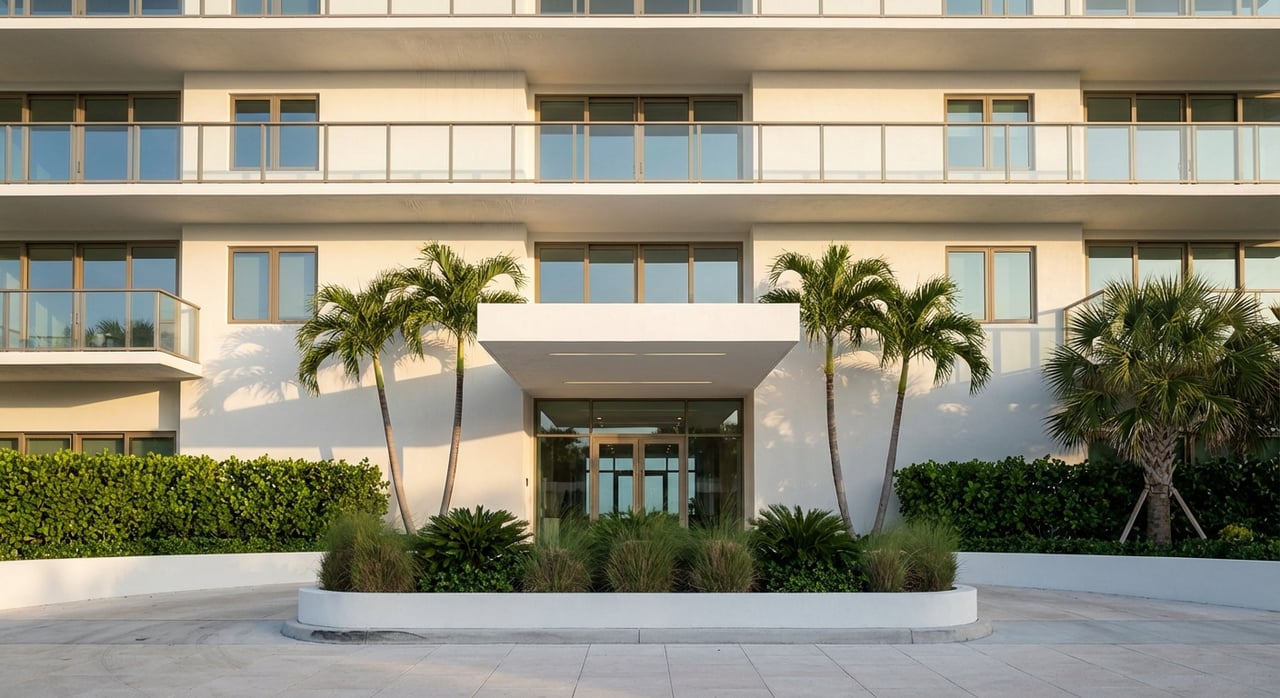
Picture your morning coffee on a balcony with Gulf breezes or in a private backyard steps from the sand. If you’re torn between a condo and a beach house in St. Pete Beach, you’re not alone. Each path delivers that sunset lifestyle, but the day-to-day costs, rules, and responsibilities feel very different. In this guide, you’ll compare both options side by side so you can choose with clarity and confidence. Let’s dive in.
Quick answer: condo vs beach house
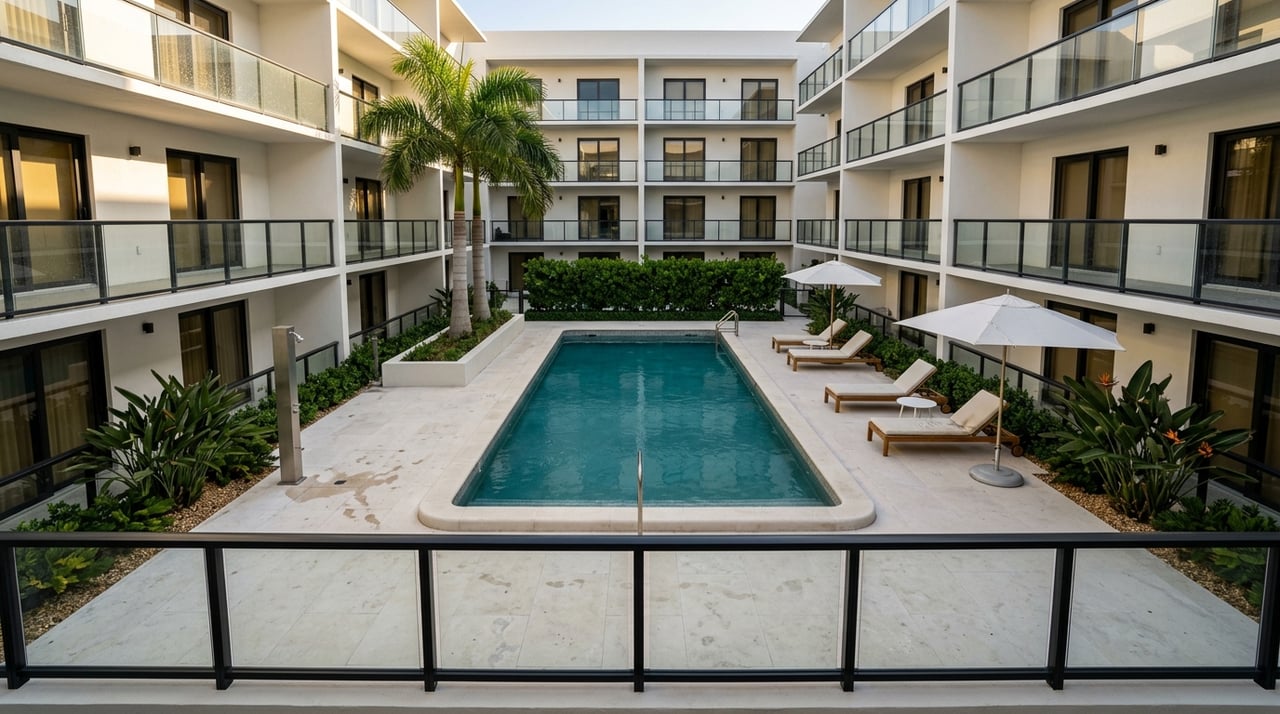
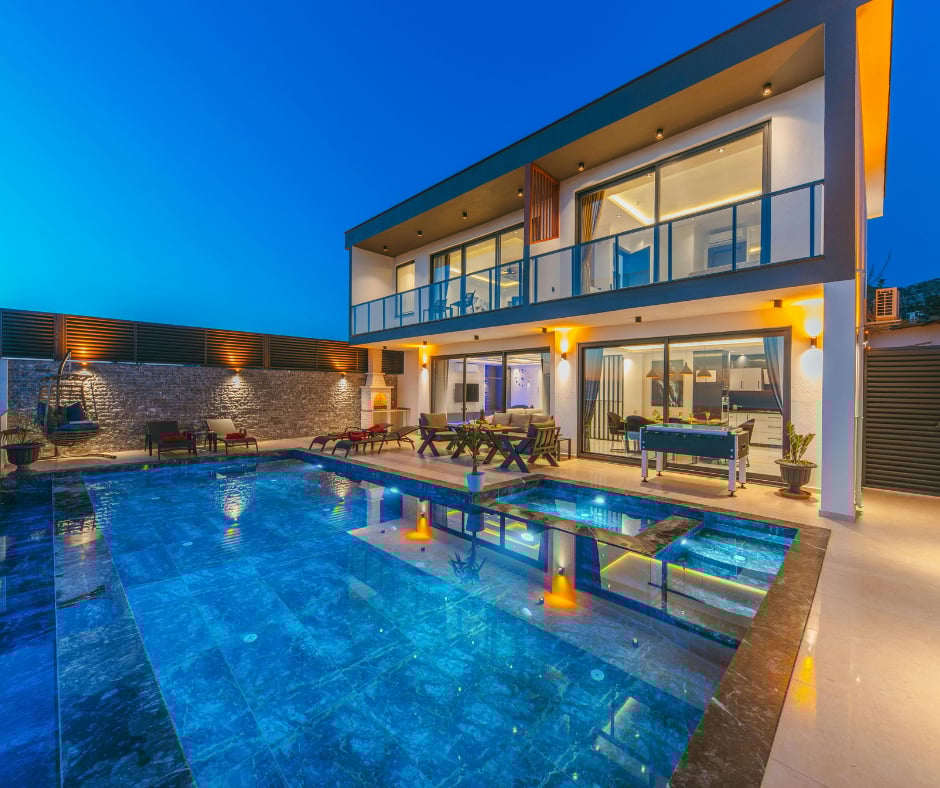
- Choose a condo if you want lower personal maintenance, on-site amenities, and a lock-and-leave setup. Budget for monthly association fees and follow rental rules set by the building and the city.
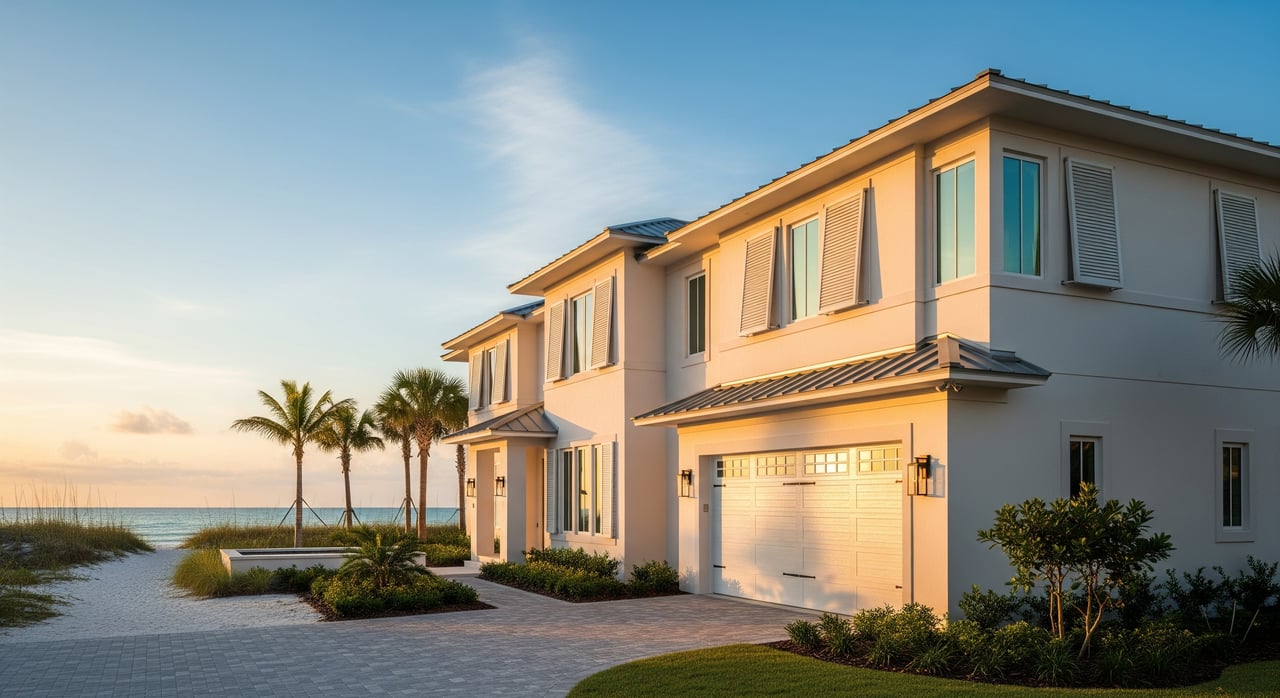
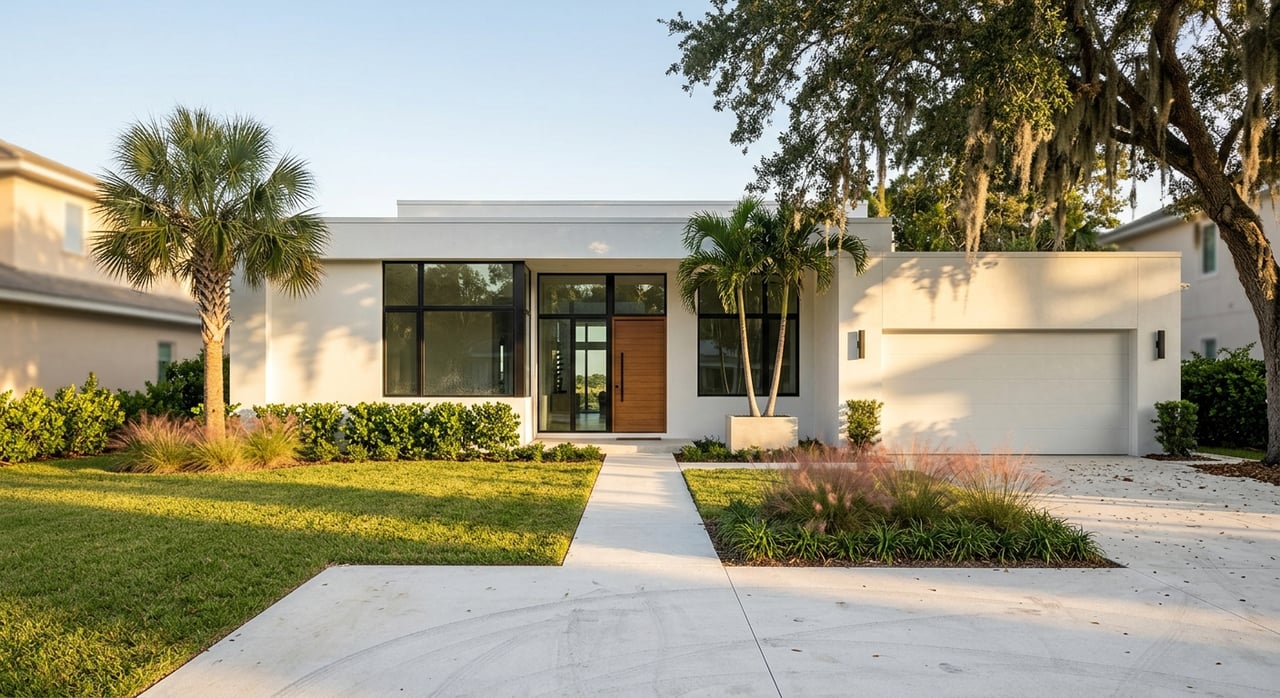
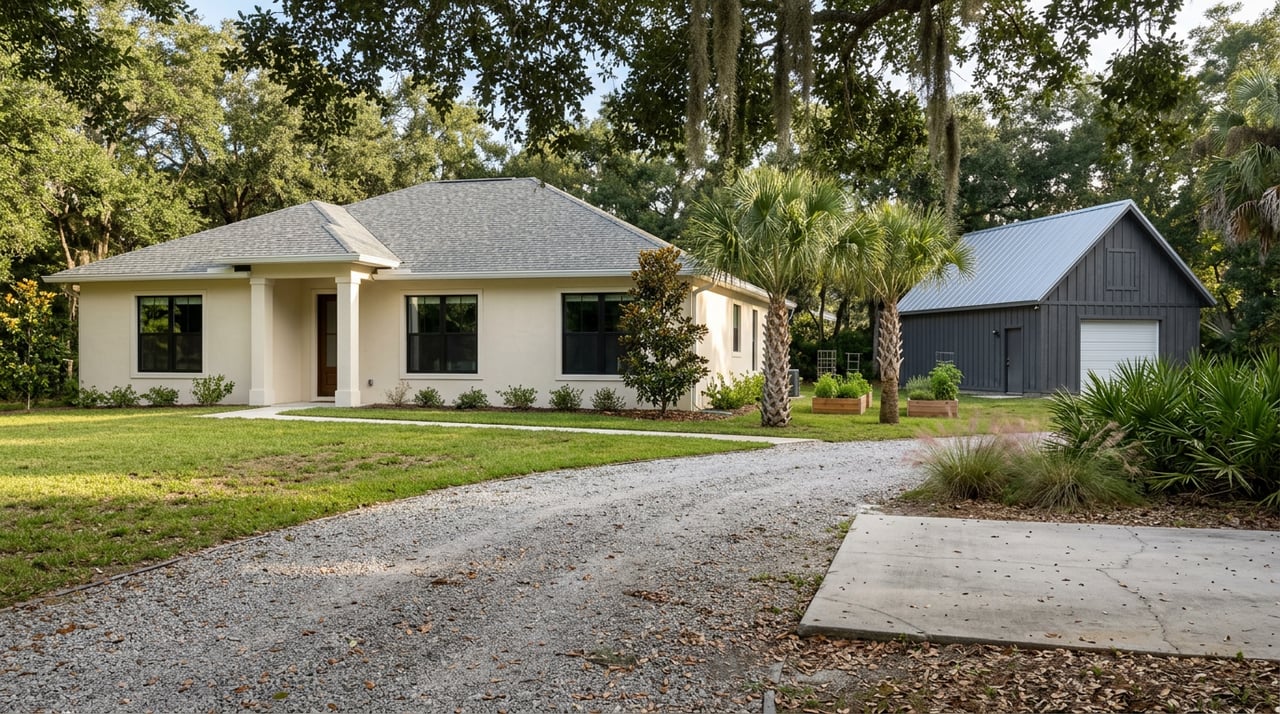
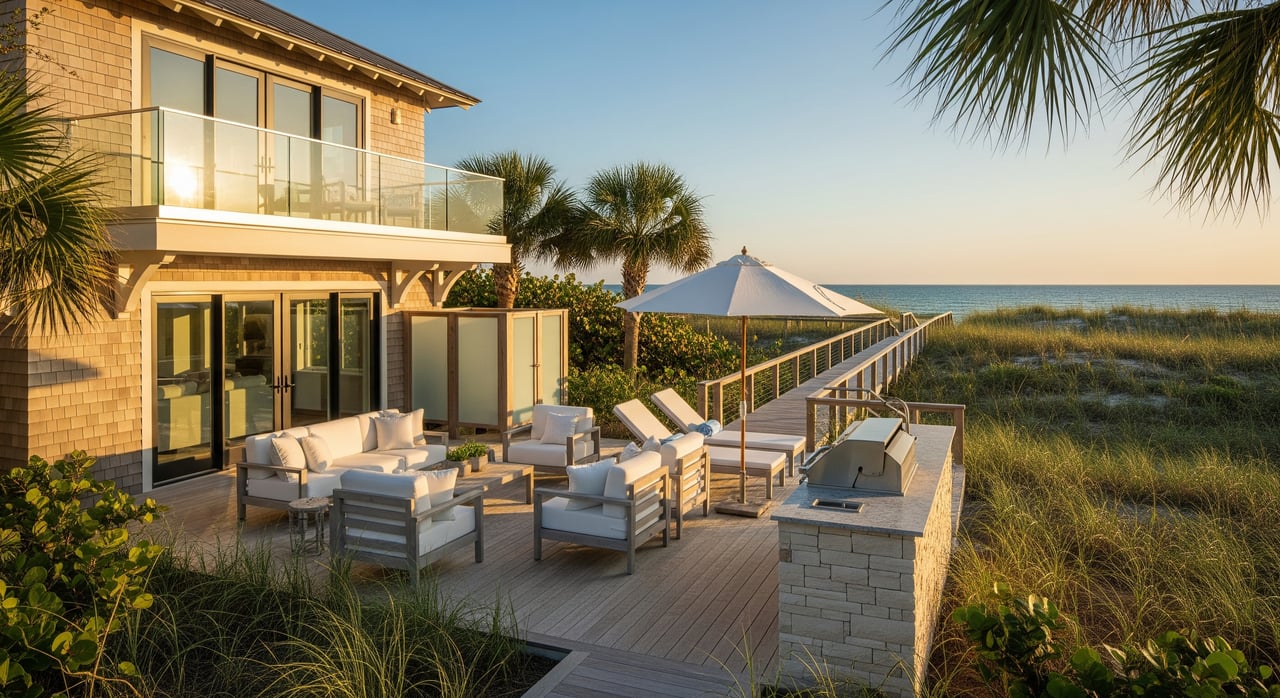
- Choose a beach house if you want privacy, outdoor space, and more control over use. Plan for full exterior upkeep, higher insurance exposure, and possibly greater rental flexibility depending on zoning.
St. Pete Beach market context
St. Pete Beach is a barrier island, so condos are plentiful at many price points, while single-family beach houses are rarer and command premiums for size, elevation, and location. Neighborhoods like Pass-a-Grille, Sunset Beach, Vina del Mar, and the Blind Pass area each have their own feel and pricing. As of January 2026, Redfin reported a median sale price around $679,500 for all home types in St. Pete Beach. Prices and inventory move quickly, so you should review the latest 30, 90, and 365 day comps before you decide.
Costs: fees vs maintenance
Condo costs you can predict
Most St. Pete Beach condos charge monthly fees that typically cover building insurance for common elements, exterior maintenance, landscaping, elevators, pools, and sometimes utilities like water, trash, or cable. Active listings show a wide range of fees, from the low hundreds per month to well over $1,000 for larger Gulf-front buildings with extensive amenities. Always ask for the association budget, reserve study, and a list of what the master insurance policy covers so you know where gaps might exist.
Florida now requires milestone structural inspections and stronger reserves for many condo buildings that have three or more habitable stories. These rules can raise dues or lead to special assessments if repairs are needed. Review whether the building has completed its required inspections and reserve study, and whether any assessments are pending under Florida’s milestone inspection statute and the DBPR’s condominium guidance.
Beach house costs you control
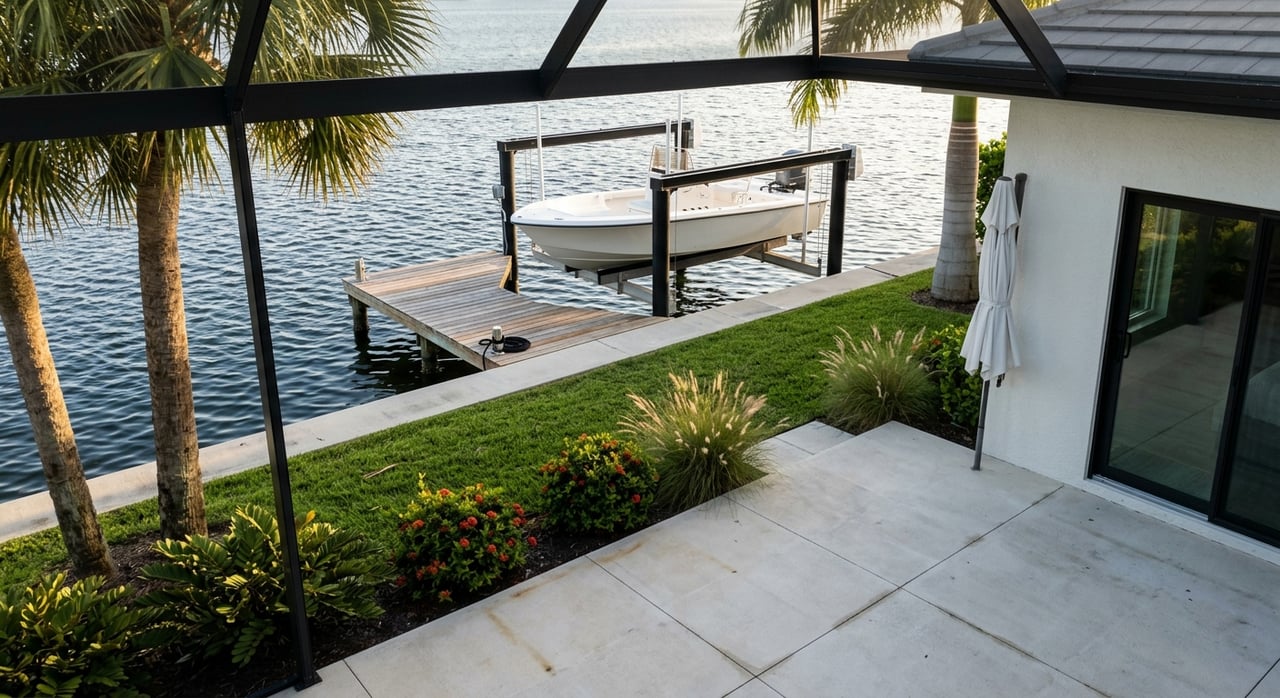
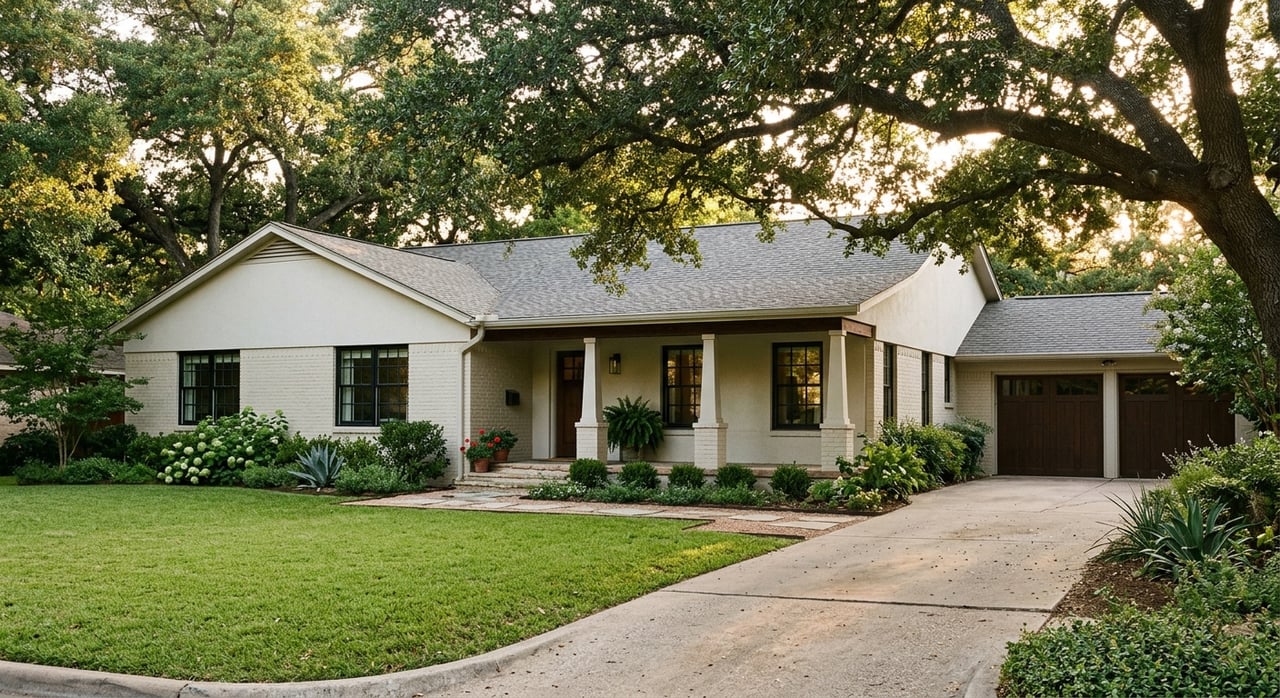
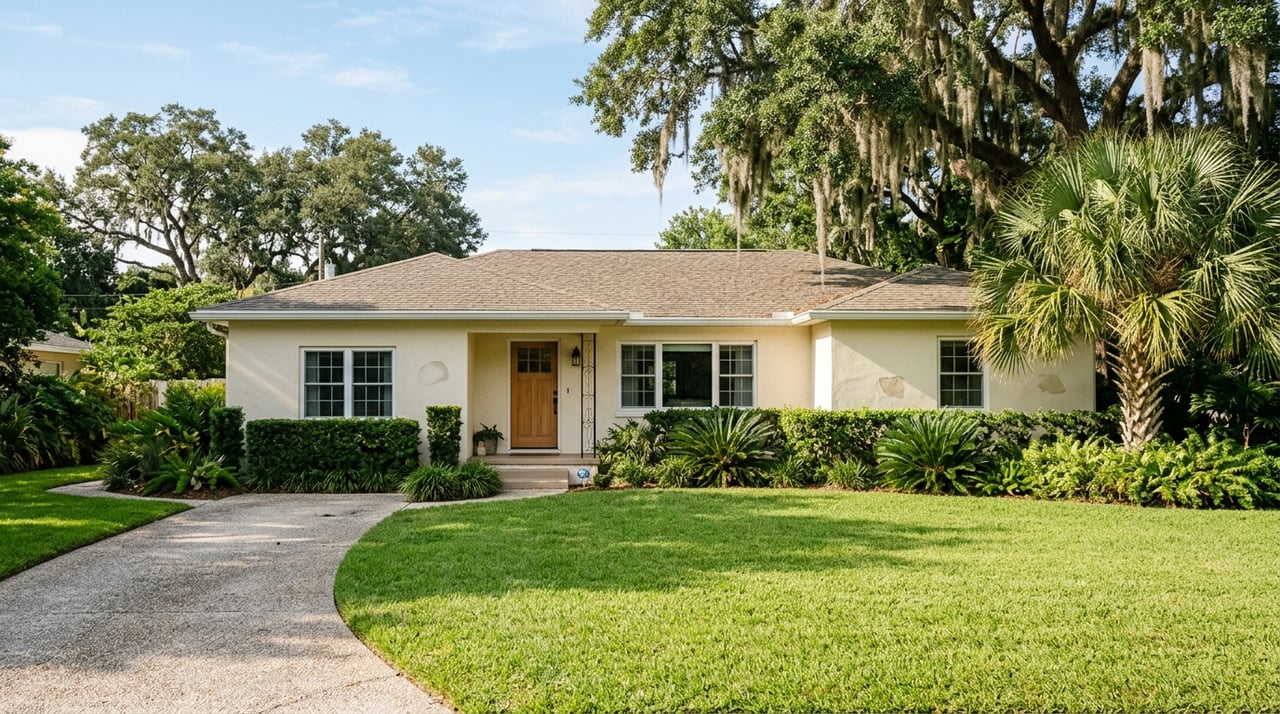
With a single-family beach house, you skip monthly condo dues unless it is inside a homeowners association. You are responsible for the exterior, roof, seawall or dock if present, landscaping, pest control, and all utilities. Budget for routine maintenance each year and plan for big-ticket items like roof replacement, HVAC, or seawall work over time. Your carrying costs will vary by age, elevation, construction, and exposure to the elements.
Insurance and coastal risk
Flood vs homeowner policies
Standard homeowner or condo policies typically do not cover flood damage. Flood insurance is a separate policy available through the National Flood Insurance Program or private carriers. If you have a loan and the property sits in a mapped flood zone, your lender will likely require flood coverage. Learn the basics and check FEMA flood maps through FloodSmart.
Wind and hurricane coverage
Coastal properties often pay higher windstorm premiums and carry larger hurricane deductibles. Florida requires availability of wind coverage, including through Citizens when private options are limited, but pricing and availability change often. Before you choose between a condo and a house, get address-specific quotes for an HO-6 condo policy plus any needed flood coverage and an HO-3 or DP policy for a single-family home. For context on the state program, see Florida’s windstorm and Citizens statute.
Long-term sea level exposure
Regional projections show rising sea levels and increased high-tide flooding risk over coming decades along the Gulf Coast. When you plan for multi-decade ownership, look at elevation certificates, first-floor heights, and local mitigation efforts. Review regional scenarios in the federal USGS and NOAA sea level report.
Rentals and local rules
City zoning and short stays
St. Pete Beach limits short-term rentals under 30 days in many residential districts. Some zones and overlays allow transient stays under certain conditions, but rules depend on the property’s exact location and zoning. Always verify the address-specific rules with the city’s official Short-Term Rental Rules and planning staff before you model cash flow.
Association restrictions for condos
Even if the city allows shorter rentals in a district, a condo association can restrict or ban them. Many buildings set minimum lease terms like 30 or 90 days, limit the number of leases per year, or require approvals. Request the recorded declaration and bylaws to confirm lease rules in writing. This directly affects your ability to offset carrying costs with seasonal rentals.
Taxes on short-term rentals
If you rent for six months or less, Pinellas County charges a 6 percent Tourist Development Tax, and you may also owe state sales and use tax. Platforms may collect parts of these taxes, but you are responsible for proper registration and filing. Review the Pinellas Tourist Development Tax and Florida’s sales and use tax guidance when you build a rental pro forma.
Lifestyle: space, parking, storage
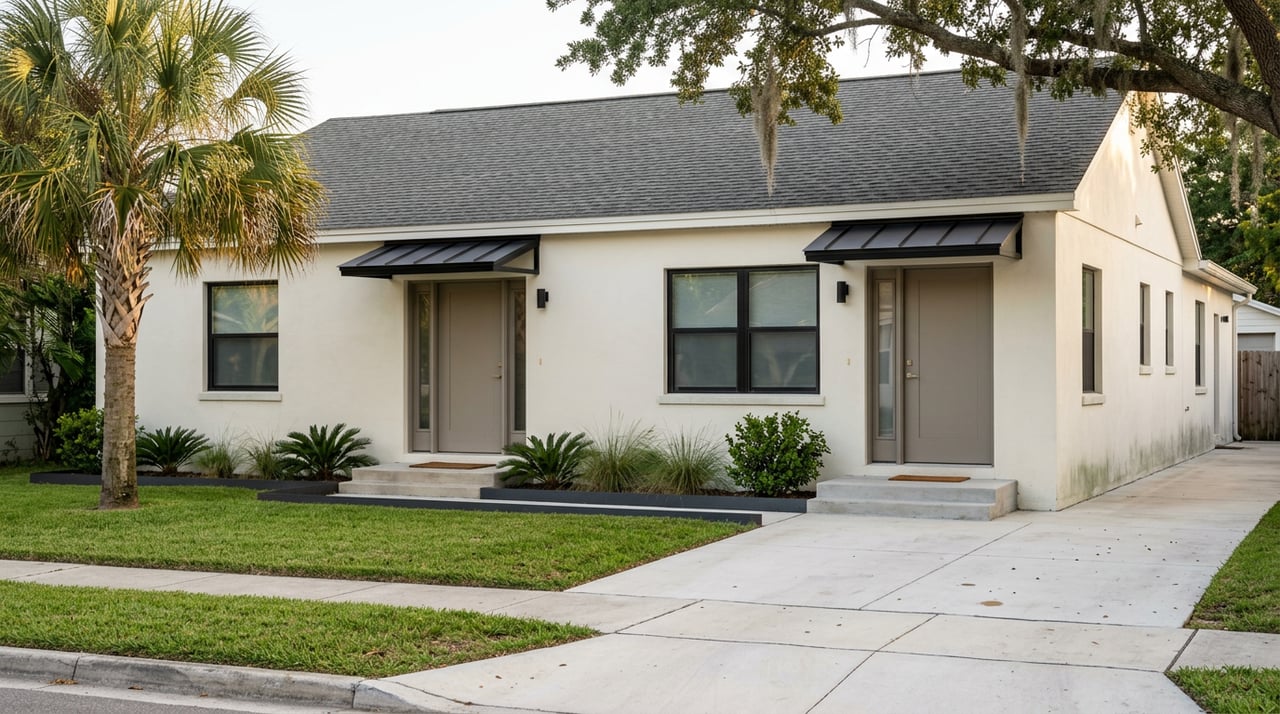
Condos give you amenities like pools, fitness rooms, and easy beach access with minimal personal upkeep. You will share walls and common areas, and storage can be limited. Single-family homes usually offer more privacy, private outdoor space, and room for gear like kayaks or bikes. Parking policies also differ, and the city enforces permits and nuisance rules that can impact frequent guest visits or rentals. Confirm on-site parking and guest options for any address you are considering.
Financing and resale
Condo project underwriting
Lenders review condo projects for eligibility, including reserves, insurance, litigation, and special assessment exposure. A building that does not meet standards can limit loan options and shrink the buyer pool, which affects resale. If you plan to finance a condo, ask your lender early about project approval and any conditions. You can read general condo project standards from Fannie Mae.
Liquidity and buyer demand
Beach houses often appeal to buyers who value privacy and land, while some condo buildings skew more toward seasonal use or investors. In condos, the building’s inspection status, reserve health, and rental rules influence how quickly units sell and at what price. For either option, micro-neighborhood comps and property condition drive outcomes. Review recent sales in the same building or on the same block wherever possible.
What to verify before you buy
Use this checklist to compare a condo and a beach house apples to apples. Ask for documents in writing and confirm numbers with licensed pros.
- Current comps for 30, 90, and 365 days, including price per square foot by micro-neighborhood.
- For condos: association declaration and bylaws, current budget, reserve study, milestone inspection and SIRS status, master insurance policy, meeting minutes, and lease restriction language. See the DBPR condo FAQs.
- Insurance quotes: HO-6 plus any gaps not covered by the condo master policy, and flood coverage. For houses: HO-3 or DP, plus flood. Learn more via FloodSmart.
- Property zoning and short-term rental permissions at the specific address. Check the city’s short-term rental rules page.
- Rental tax model: include Pinellas 6 percent bed tax and state sales tax. Start with Pinellas TDT and Florida DOR.
- Elevation certificate, FEMA flood zone, and any known flood or wind claims history.
- Lender acceptance: ask whether the condo project meets agency standards and if any project review is needed per Fannie Mae’s guidance.
Questions to ask the listing agent or association
- Has the condo completed its milestone inspection and SIRS, and are there any pending or recent special assessments under Florida Statute 553.899?
- What exactly do condo fees cover, and what are owner-paid items not covered by the master policy?
- What are the recorded lease minimums and any limits on leases per year? Are there wait periods for new owners?
- For a house, what is the age and condition of roof, HVAC, windows, and any seawall or dock? Any recent permits or improvements?
- What are the address-specific flood zone, elevation, and historical flood indicators? Any floodproofing or mitigation completed?
- What are the parking and guest policies for the building or block, and how are they enforced?
- What has been typical days on market for comparable properties in the same building or on the same street over the past 12 months?
How a local expert helps you compare
A strong St. Pete Beach advisor does more than open doors. Here is how a knowledgeable team adds clarity to your condo vs beach house decision:
- Pulls up-to-the-minute MLS comps by micro-neighborhood and prepares side-by-side cost models that include mortgage, taxes, insurance, HOA, utilities, and projected maintenance.
- Obtains and interprets condo packages, flagging reserve and inspection issues that could lead to assessments or lender concerns, and recommends further engineering review when needed.
- Coordinates with inspectors and insurance brokers to produce address-specific quotes for flood, wind, and homeowners coverage so you see true carrying costs.
- Confirms zoning and short-term rental permissions at the exact address and models net rental yield after county bed tax and state sales tax.
Ready to compare options?
Whether you lean condo for simplicity or beach house for privacy, the right choice balances lifestyle with financial clarity. If you want a clean, side-by-side breakdown built on current comps, insurance quotes, and association documents, let’s talk. Connect with Lori Moses to get your custom condo vs beach house plan for St. Pete Beach.
FAQs
What is the biggest cost difference between a condo and a beach house in St. Pete Beach?
- Condos have monthly association fees that cover shared expenses and insurance for common areas, while beach houses avoid those fees but require you to budget for all exterior maintenance and potentially higher standalone insurance.
How do Florida’s new condo inspection rules affect me as a buyer?
- Many taller condo buildings must complete milestone structural inspections and maintain stronger reserves, which can increase dues or lead to assessments; review compliance and reports under Florida Statute 553.899 and the DBPR condo FAQs.
Do I need flood insurance for a condo unit near the beach?
- If your condo is in a mapped special flood hazard area and you have a loan, a flood policy is typically required; check coverage gaps between the building’s master policy and your unit’s HO-6 and learn basics through FloodSmart.
Can I do short-term rentals anywhere in St. Pete Beach?
- No. Short-term rental rules depend on zoning and building rules; verify the specific address on the city’s Short-Term Rental Rules page and confirm association lease restrictions.
What taxes apply if I rent my property for less than six months?
- You may owe Pinellas County’s 6 percent Tourist Development Tax plus state sales and use tax; confirm filing and collection requirements with Pinellas County and the Florida Department of Revenue.
Will financing be harder for a condo than a house?
- It can be, because lenders review condo projects for reserves, insurance, and assessments; a project that does not meet standards limits loan options, so ask your lender about project review using Fannie Mae’s guidelines.