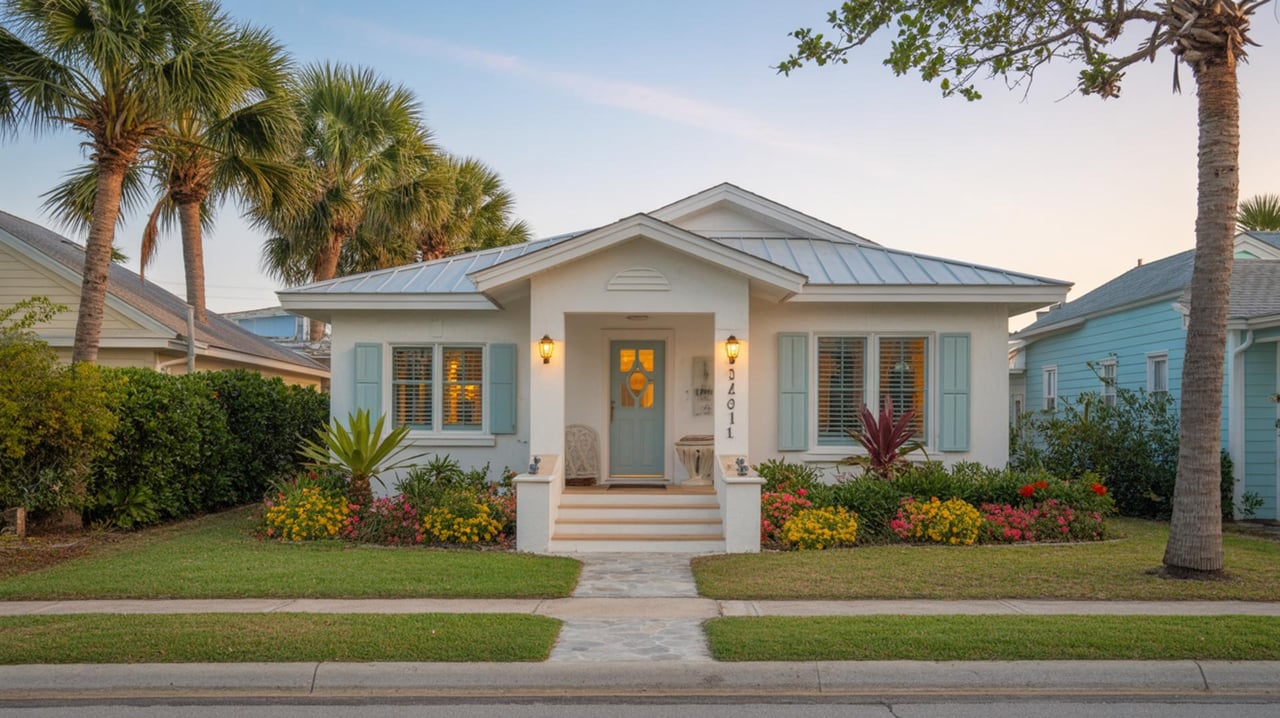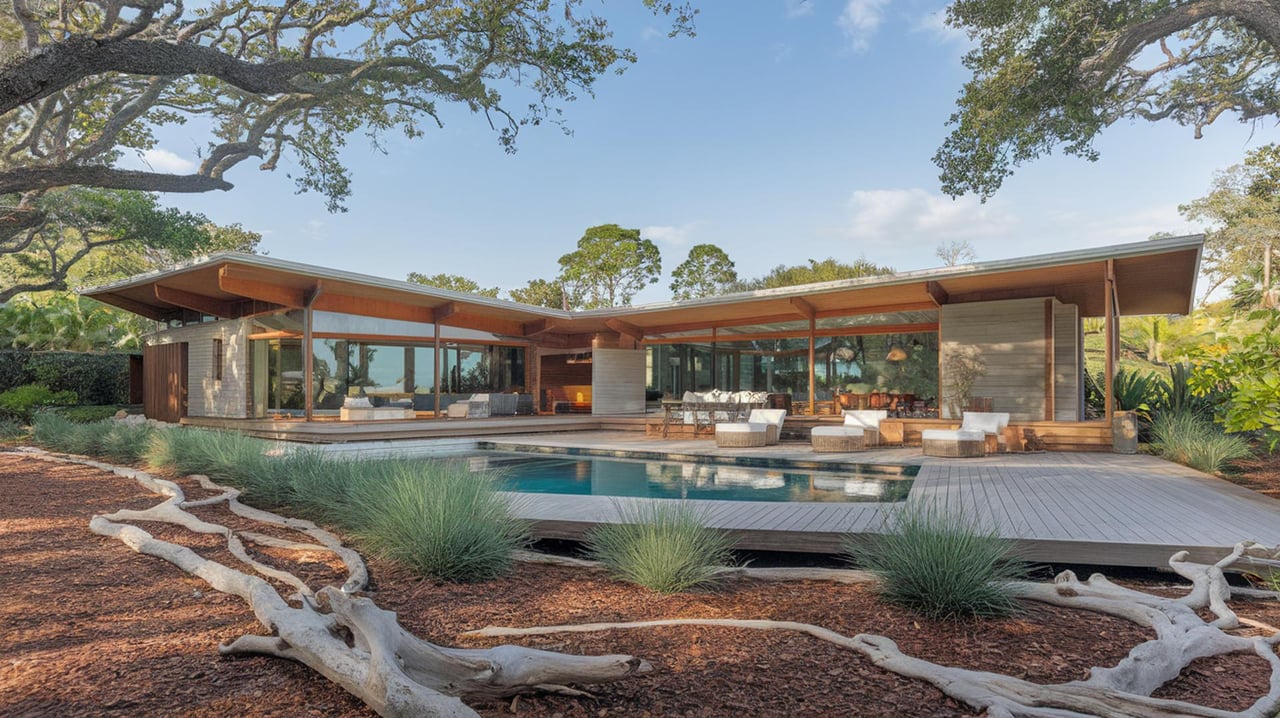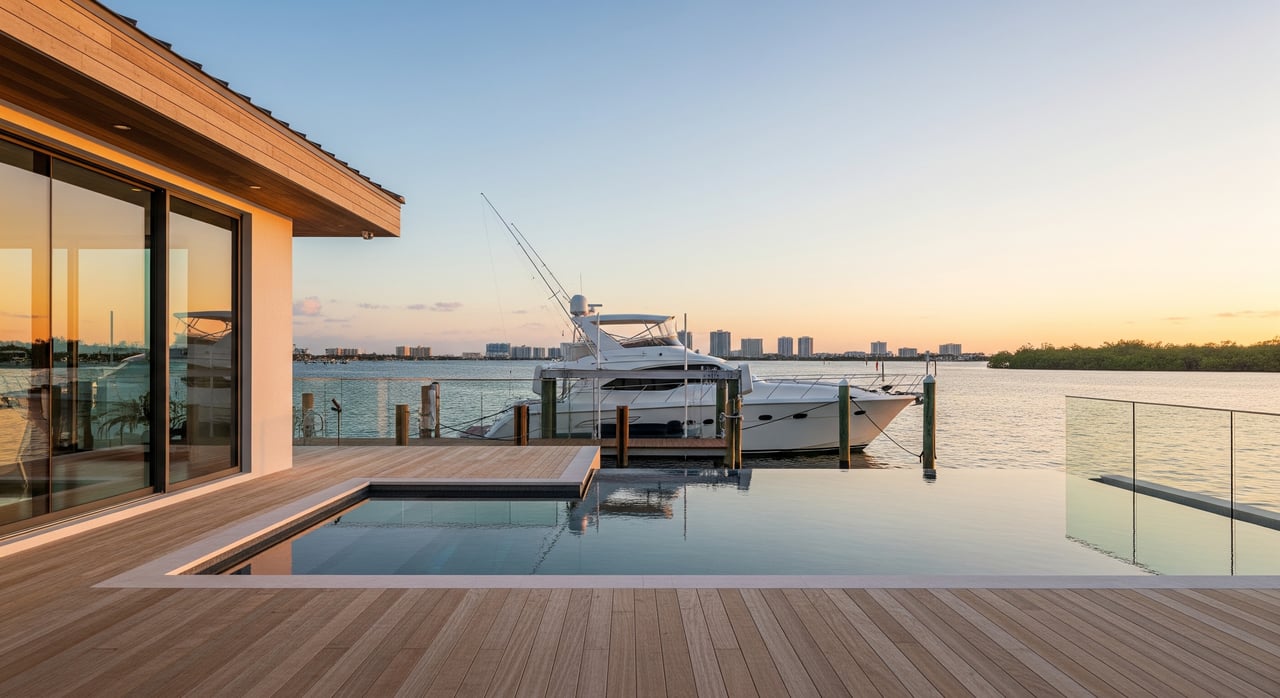
Picture this: you wake to soft pink light over Sarasota Bay, sip coffee as pelicans glide past your dock, then head out for a quick paddle before work. If you’re drawn to the water, it’s easy to imagine this rhythm becoming your normal. Still, the dream works best when you pair it with clear facts about neighborhoods, seasons, insurance, and permits. This guide shows you how day-to-day life really unfolds on Sarasota’s bayfront and islands, plus practical steps to buy with confidence. Let’s dive in.
Mornings on the bay
Sunrise often sets the tone. Many residents start with an early beach walk on Siesta or Lido, or a casual stroll along the downtown bayfront. Calm morning waters are perfect for paddleboarding, kayaking, or a quick fishing session before the breeze picks up. On Saturdays, the downtown farmers market draws locals for fresh produce and coffee before the day heats up.
Cool winter mornings feel crisp and social. Summer mornings are warmer and humid, but you still see early risers walking the shore or heading out from their docks while the water is glassy and quiet.
Midday and afternoons
By midday, the pace shifts to boating, beach time, and relaxed errands. Short runs on the bay lead to nearby passes and the Gulf when conditions allow. You can pair a boat outing with lunch at a marina-side spot or a stroll through St. Armands Circle for dining and shopping.
On hotter summer days, many plan indoor breaks at cultural institutions like museums or head back out later when the sun eases. In milder winter weather, it’s common to see steady activity on walking paths and at waterfront parks.
Evenings and weekends
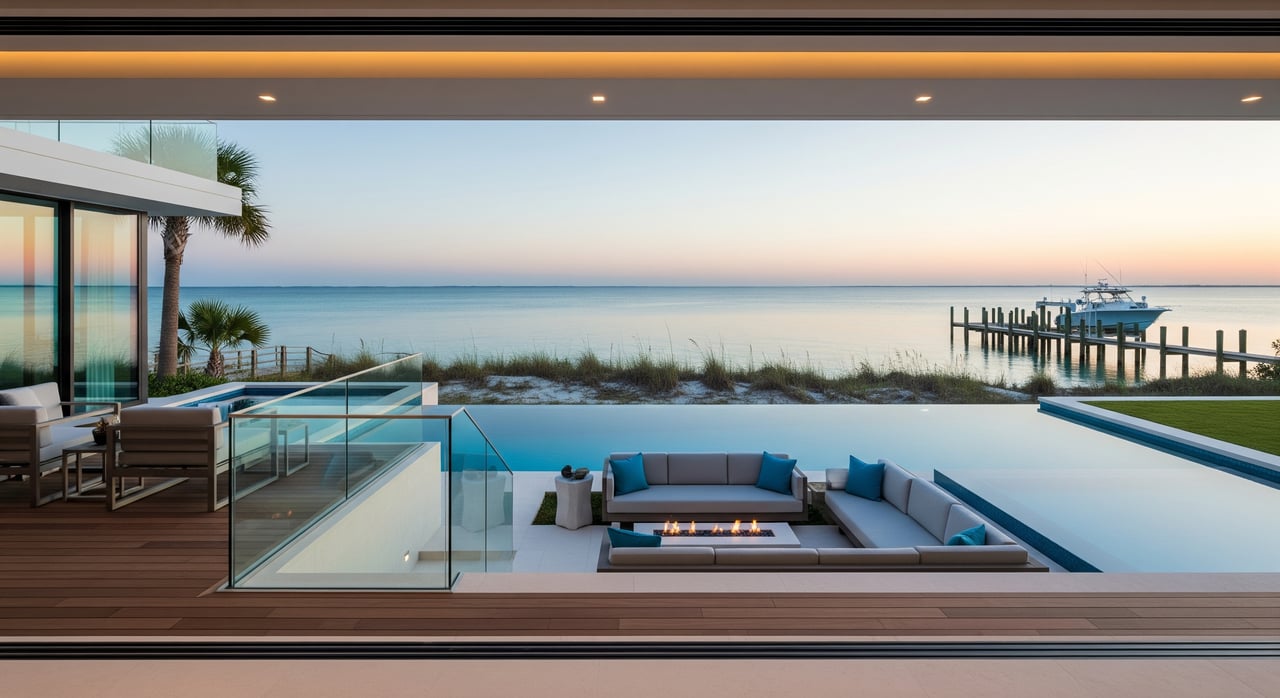
Sunset is a daily ritual. Locals gather at Bayfront Park or along the islands to watch the sky shift to orange and violet. Evenings often include live music or performances, with options ranging from orchestral shows to contemporary arts.
Weekends depend on the season. High season in winter brings more visitors, busy restaurants, and fuller parking at beach access points. Summer often feels more local, and you’ll notice heavier recreational boat traffic on sunny weekends.
Neighborhood snapshots on the water
Downtown and the bayfront
You get an urban, walkable lifestyle with parks, restaurants, and arts venues at your doorstep. Housing options include condos and some single-family pockets near the water. This area fits if you want city energy and quick access to marinas for easy bay runs.
Bird Key, Golden Gate Point, Harbor Acres
These established residential pockets near downtown feel private and close-knit. Many homes include docks and short routes to open water. You’ll enjoy tree-lined streets and the convenience of a quick drive or bike ride into town.
Lido Key and St. Armands
Island living meets beach access and pedestrian-friendly dining. You can walk to shops and restaurants around the Circle and enjoy easy beach days. It suits you if you prefer island pace with steady activity nearby.
Siesta Key
Famous for white sand and a lively coastal vibe, Siesta offers a beach-focused lifestyle. Some areas are busier in high season with short-term visitors. You can find quieter residential pockets, plus canal-front spots with dock access.
Longboat Key
This longer, narrower island tends to feel more residential and resort-like. Many communities offer marinas and private beach access. It’s a fit if you want a quieter scene and do not mind driving for some services.
South County: Osprey and Nokomis
These coastal suburbs trade downtown proximity for more space and a calmer pace. Riverfront and Gulf-proximate options exist, along with residential neighborhoods on larger lots. You’ll drive more for cultural venues, but daily life can feel relaxed and low-key.
Boating, beaches, and wild neighbors
Boating culture and access
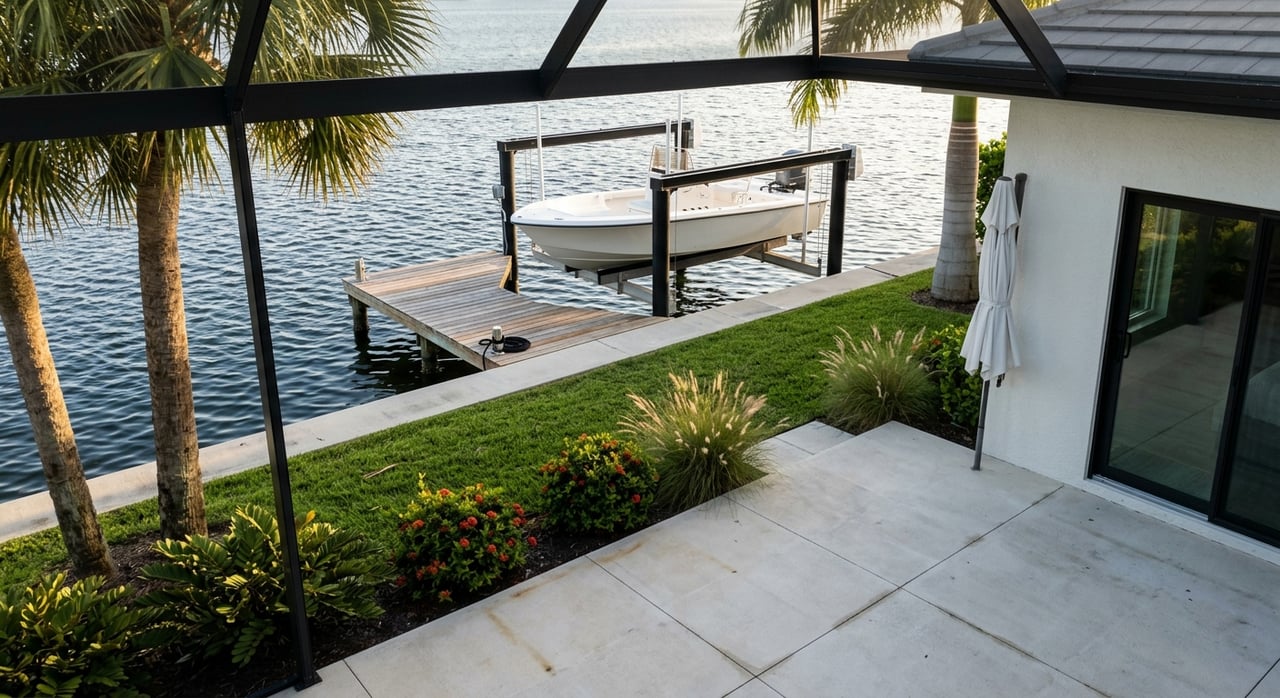
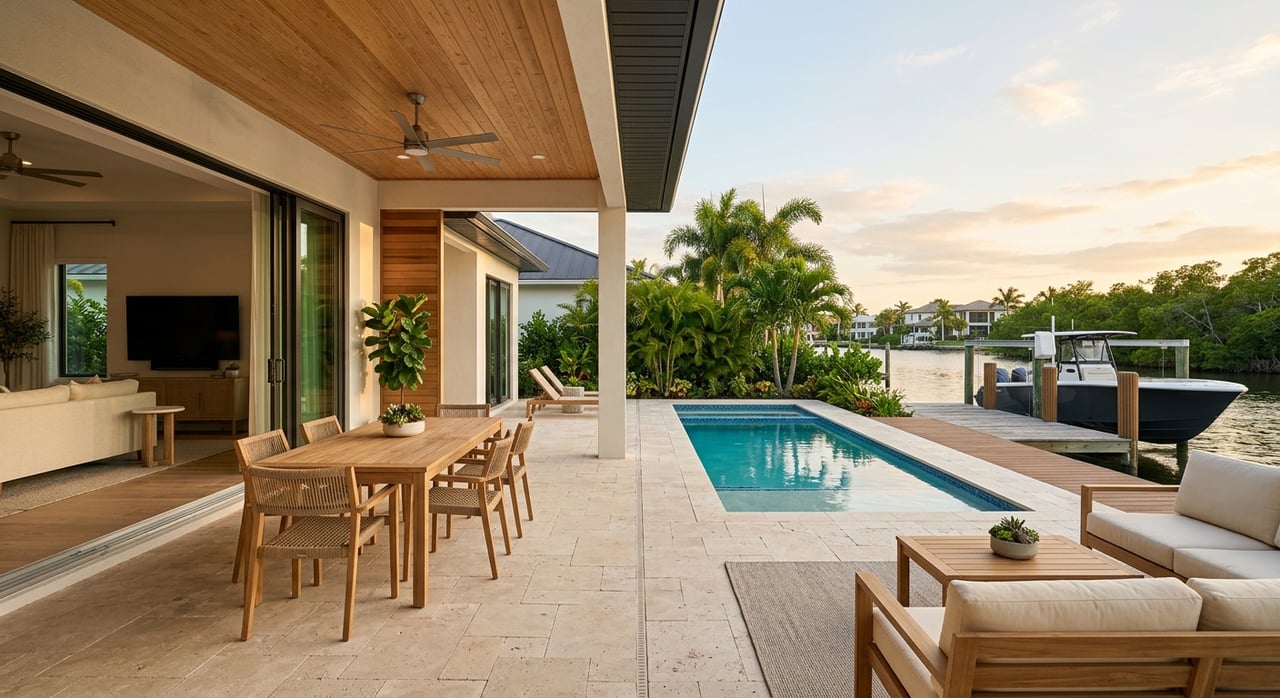
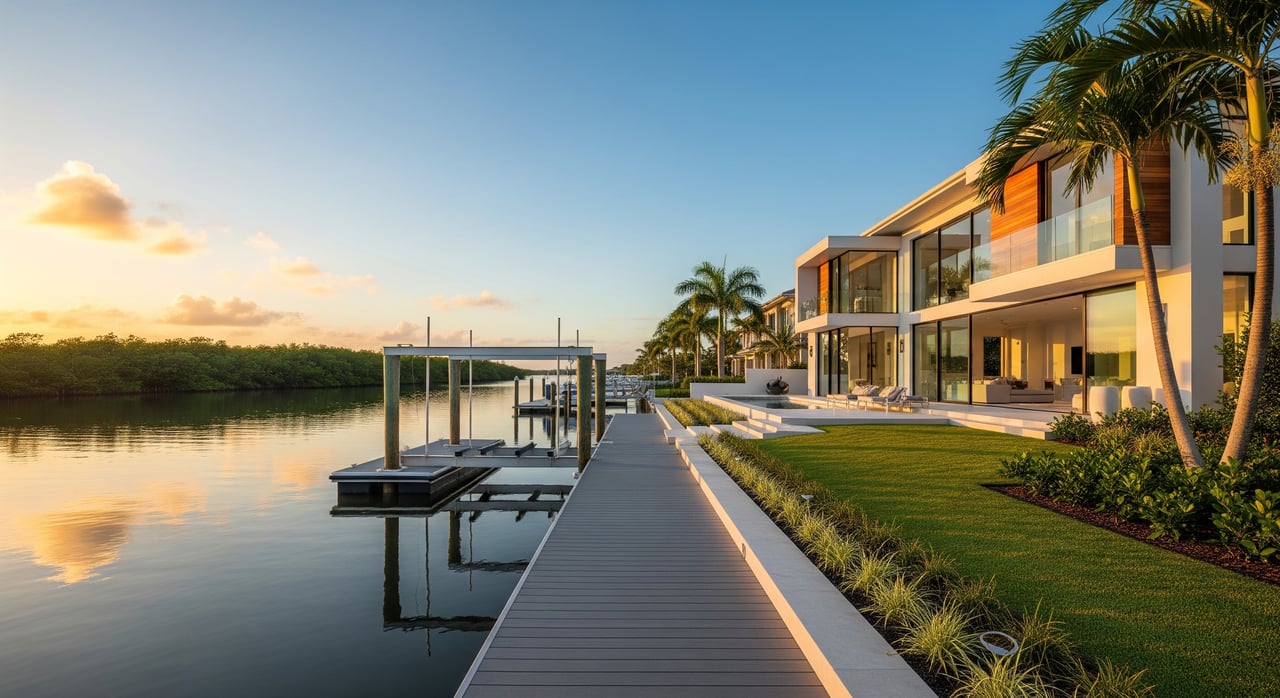
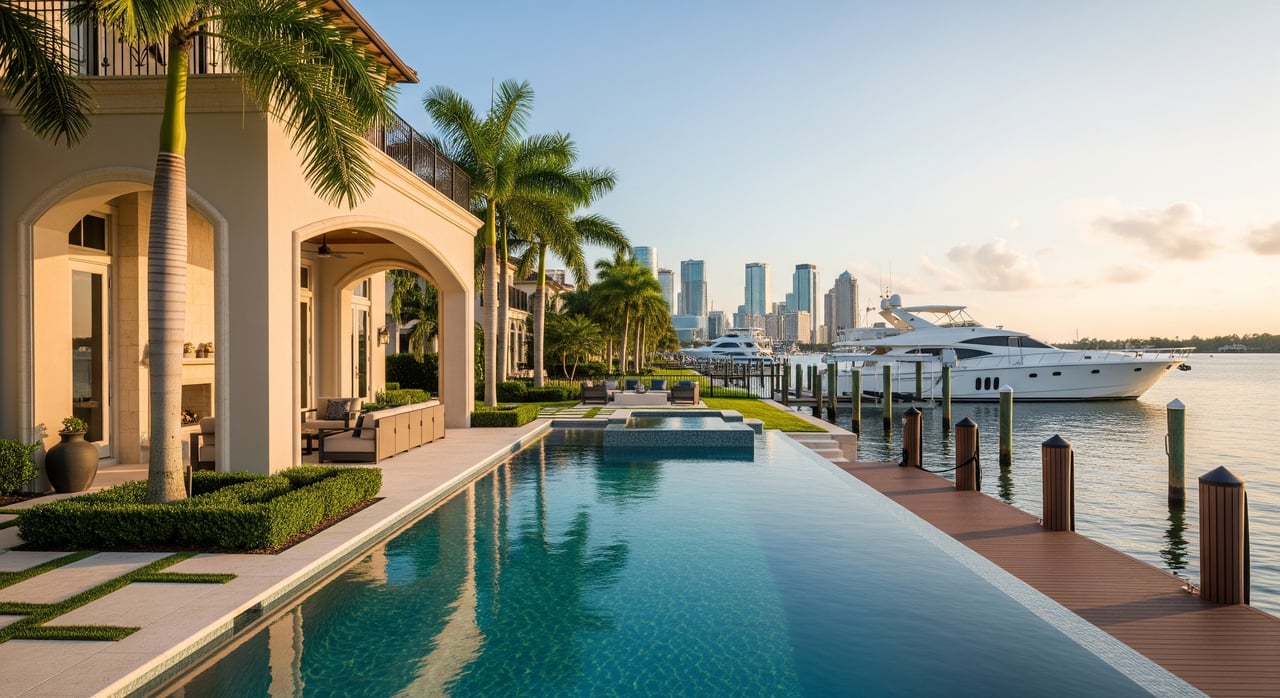
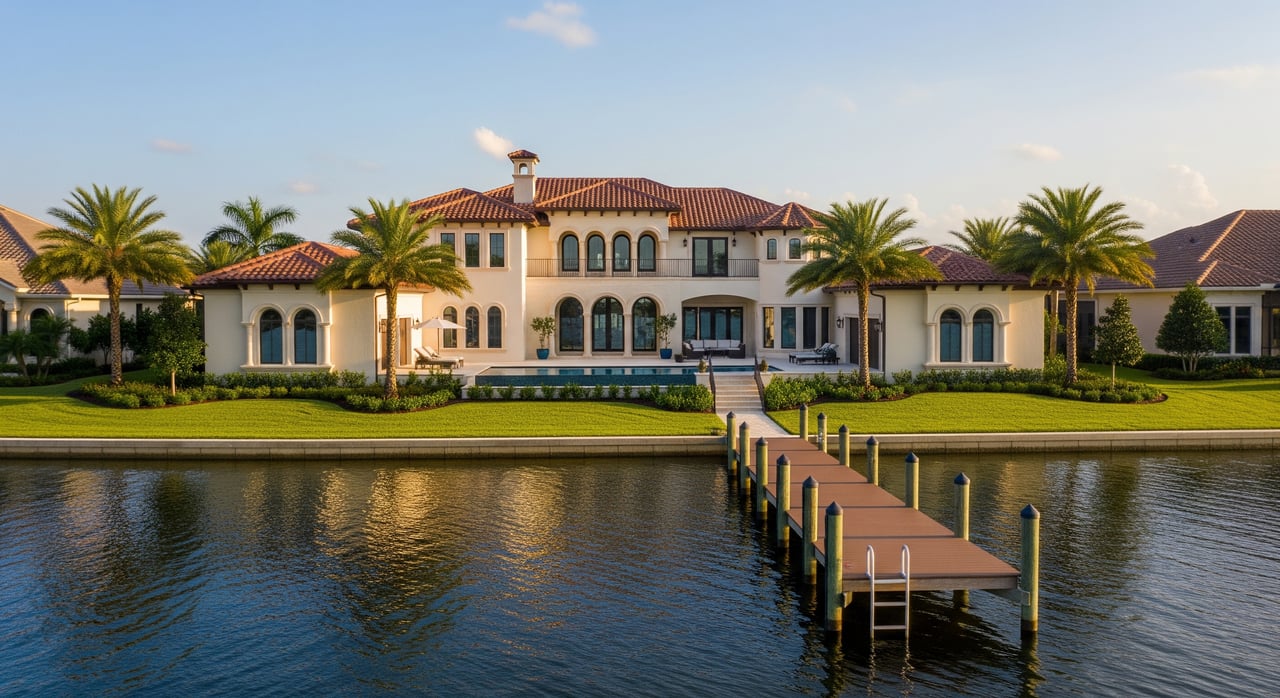
Water is part of the routine here. Private docks are common on canal-front homes, while marinas and yacht clubs support boaters of every level. Typical days include inshore fishing, sailing, or a paddle along calm bay shallows. Many homeowners choose canal-front locations for protected dockage and quieter waterways.
Parks, wildlife, and natural areas
Waterfront parks, small preserves, and island greenspaces give you regular sunset views and quick nature breaks. You’ll spot manatees and wading birds, especially around seagrass beds and shallow bay areas. Wildlife viewing changes by season, and locals learn the rhythms over time.
Arts and dining by the water
Sarasota’s cultural calendar stays active year-round. You’ll find live performances, museum exhibits, and festivals throughout the seasons. Dining clusters around marinas, the downtown bayfront, St. Armands, and island strips, with a focus on fresh seafood and outdoor seating when weather allows.
Everyday services and getting around
Daily logistics are manageable, with healthcare anchored by Sarasota Memorial Hospital and many routine services nearby. Some hubs like downtown and St. Armands are walkable, while many neighborhoods are car-oriented. Sarasota County Area Transit offers routes in key corridors, and rideshare is common.
In high season, plan for fuller parking near beaches and popular restaurants. Many locals adjust by going earlier, walking more in core districts, or choosing midweek outings.
Practical realities of waterfront ownership
Property types and what to inspect
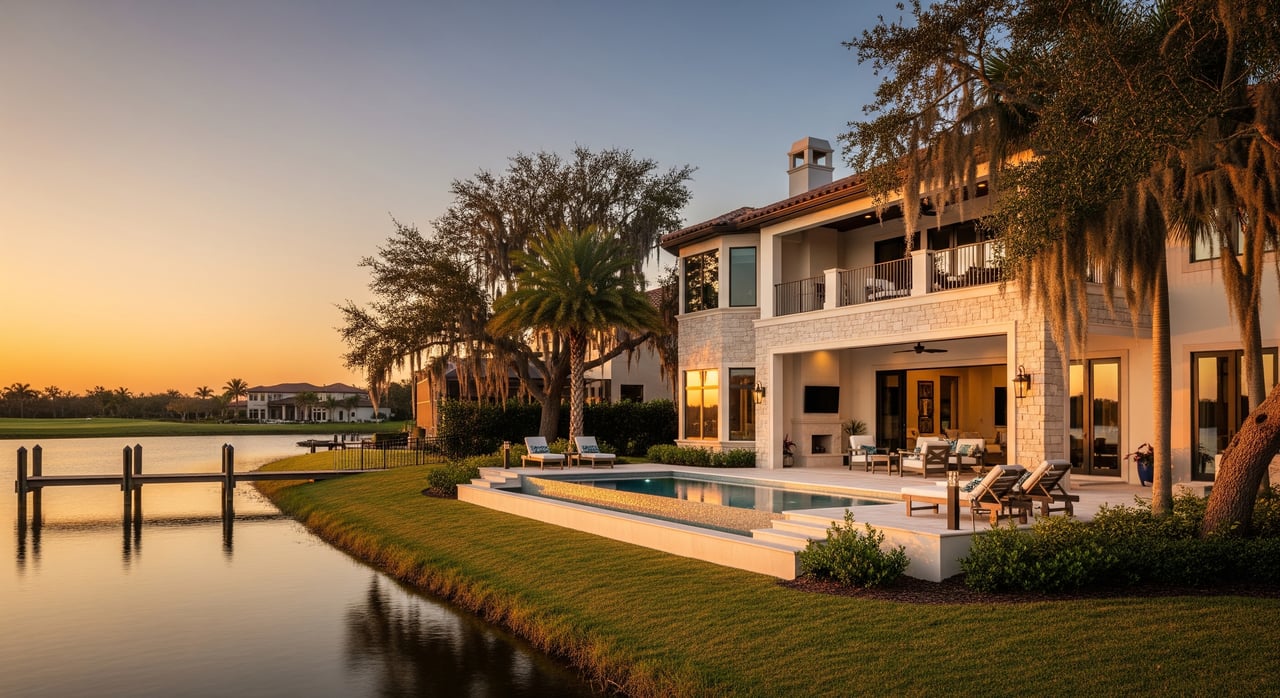
You’ll see Gulf-front, bayfront, canal-front, and near-water options. For single-family lots with docks, review seawall condition, dock structures, pilings, and any boat-lift capacity. Ask about building materials suited to salt air and wind, and confirm the home’s elevation relative to sea level.
Permits and environmental protections
Docks, seawalls, and other shoreline work typically require county or state environmental permits. Mangroves are protected, and trimming is regulated. If you plan improvements, confirm permit requirements in advance and check whether prior work was completed with proper approvals.
Insurance, flood zones, and recurring costs
Coastal homes generally carry specialized coverage. You may need separate windstorm coverage along with homeowners insurance, and many financed properties in FEMA-designated Special Flood Hazard Areas require flood insurance. Maintenance budgets should anticipate salt-air corrosion, dock repair, seawall upkeep, and landscaping.
Long-term resilience considerations
Sarasota plans for sea-level rise and coastal infrastructure over time, and nuisance tidal flooding can affect some low-lying areas. Hurricane season runs from June 1 to November 30, so you’ll want a storm plan, supplies, and familiarity with evacuation guidance. Review neighborhood-specific resilience plans when comparing locations.
Aligning lifestyle and budget
Waterfront life delivers daily access to boating, wildlife, and sunsets, but it comes with higher operating costs and more rules to navigate. Many buyers accept these tradeoffs for the benefits of view and access. The key is to balance lifestyle goals with insurance realities, maintenance, and any HOA or rental rules that matter to you.
A quick pre-offer checklist
- Verify the property’s exact waterfront rights and dock ownership via legal description and title.
- Review current FEMA flood maps for the address and consider obtaining an elevation certificate.
- Request recent seawall and dock inspection reports, plus any repair history.
- Confirm permits needed for planned shoreline work and whether previous projects were permitted.
- Get property-specific insurance quotes for wind, flood, and homeowners coverage.
- Ask about hurricane preparedness routines and evacuation routes for the area or association.
- Review local short-term rental ordinances and HOA rules if rental income factors into your plans.
- Check city or county resilience documents for projects planned near the neighborhood.
- Visit at different times, including weekends in high season, to gauge traffic, boat activity, and general feel.
Is Sarasota waterfront right for you?
If you want your days to revolve around the water, Sarasota makes it easy. Your mornings can start with a paddle, and your evenings can end with a quiet walk at sunset. The lifestyle is real and within reach when you prepare for seasonal patterns, budget for insurance and maintenance, and choose a neighborhood that matches how you move through a day.
When you’re ready to compare bayfront, canal-front, and island options, connect with a local guide who pairs the dream with practical execution. If you’d like one-on-one help aligning lifestyle, budget, and the right property type, reach out to Lori Moses. We’re here to help you find your sunset home.
FAQs
What does day-to-day life on Sarasota Bay feel like?
- Expect early walks or paddles on calm water, midday boating or beach time, and sunset gatherings at parks or beaches, with busier winter seasons and quieter summers.
How does hurricane season affect Sarasota waterfront living?
- Hurricane season runs June 1 to November 30, so residents keep supplies ready, review evacuation plans, and maintain storm-proofing measures for docks, boats, and homes.
Which Sarasota neighborhoods offer quick boating access?
- Areas near downtown and adjoining islands like Bird Key and Golden Gate Point often provide short runs to open bay waters, with canal-front homes offering protected dockage.
What permits might I need for a dock or seawall in Sarasota?
- Shoreline work such as docks, seawalls, or mangrove trimming typically requires county or state environmental permits, so confirm requirements before starting any project.
Do I need flood insurance for a Sarasota waterfront home?
- If a financed property lies in a FEMA Special Flood Hazard Area, flood insurance is typically required; even outside those zones, many owners choose coverage for peace of mind.
How crowded does Sarasota get in winter near the water?
- Winter high season brings more visitors, fuller restaurant reservations, and busier beach parking, while summers usually feel more local with increased weekend boating activity.