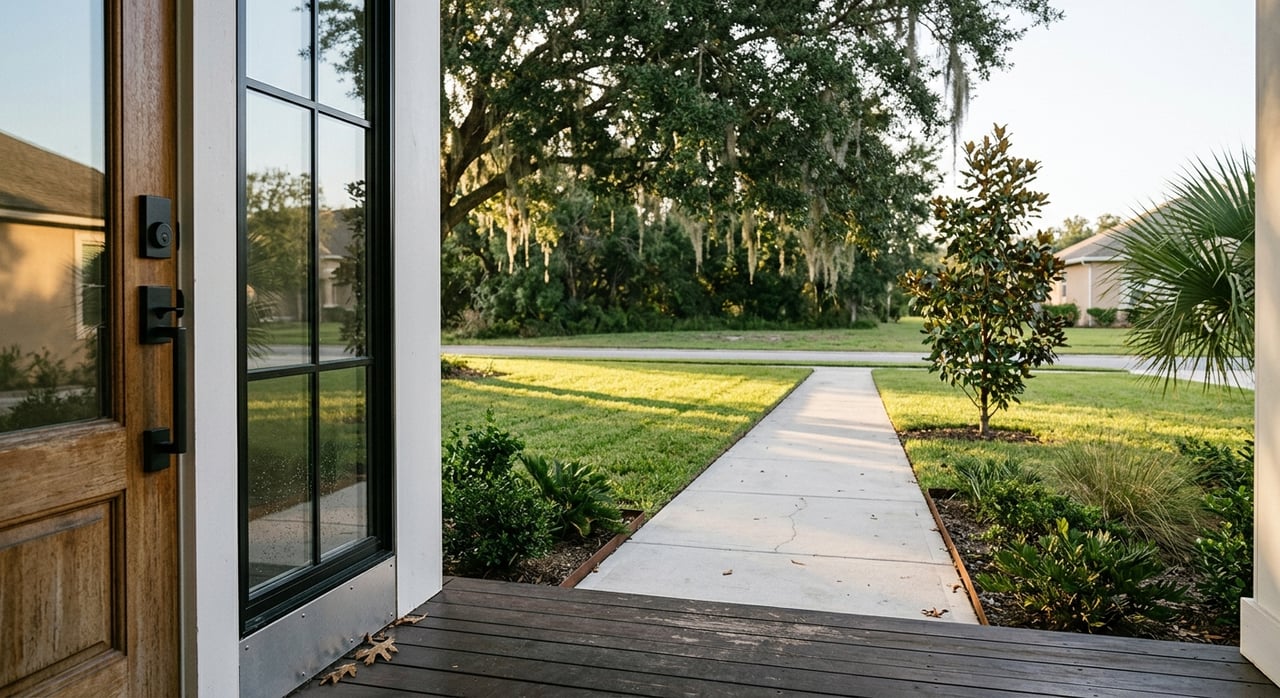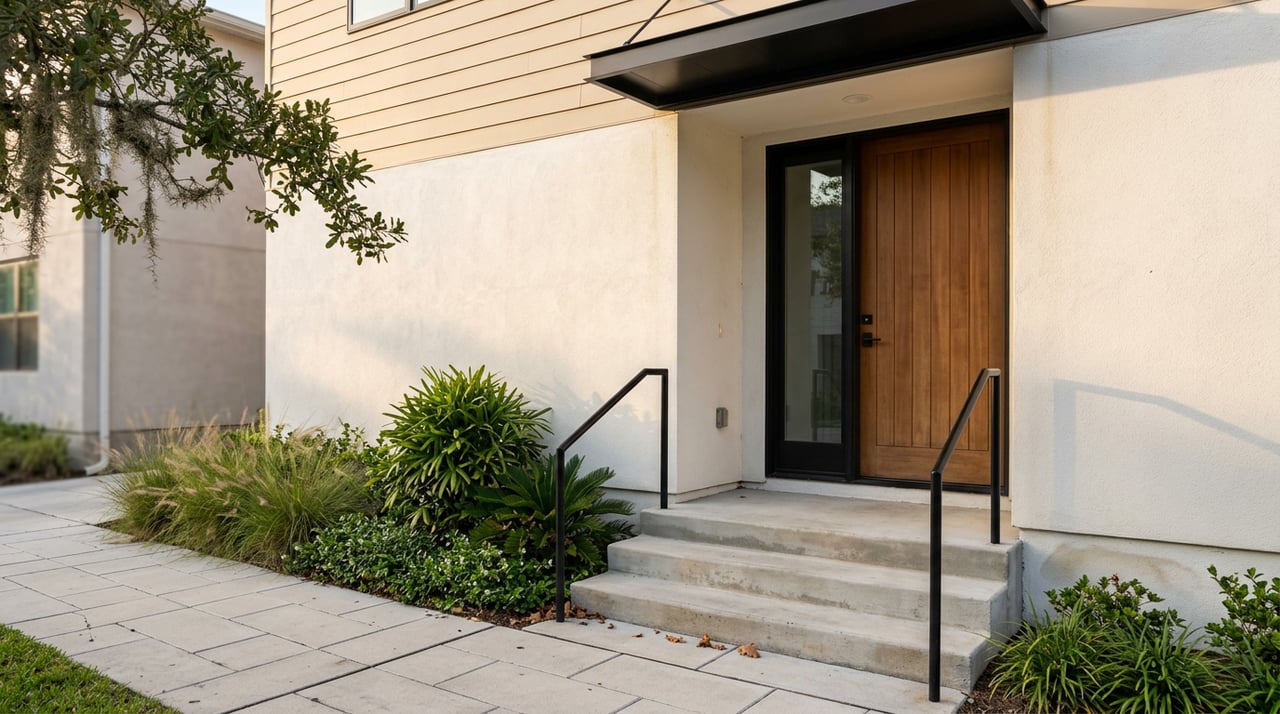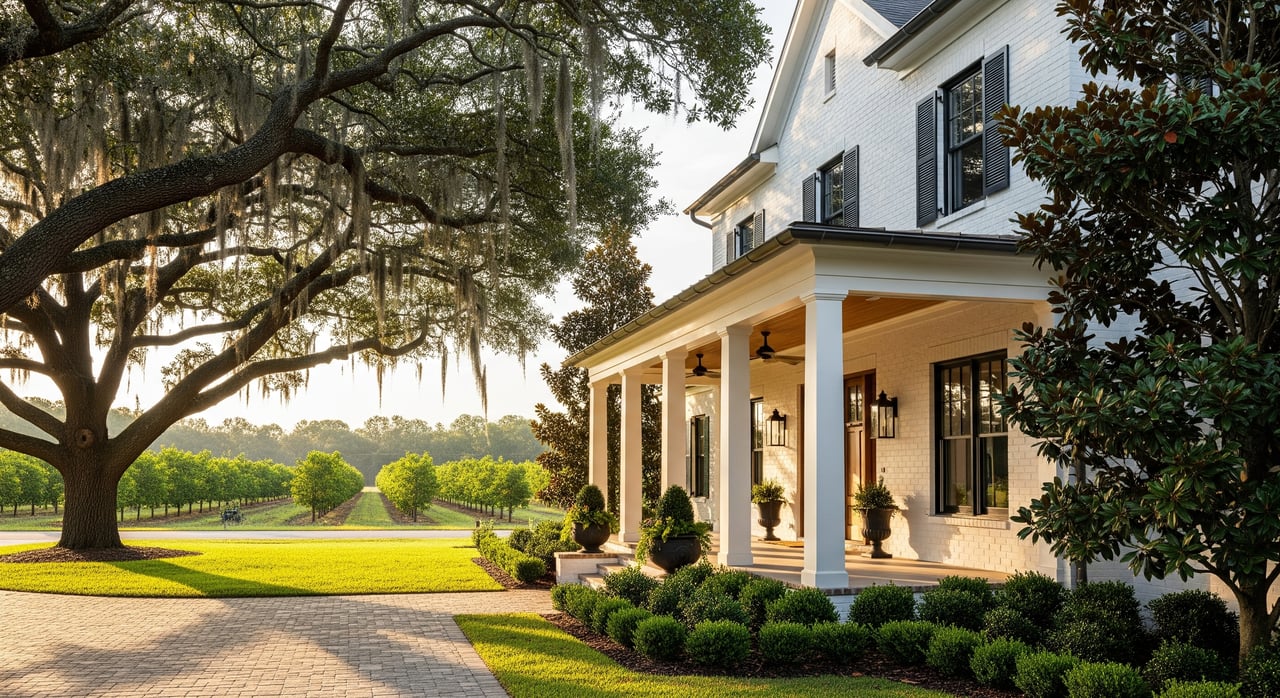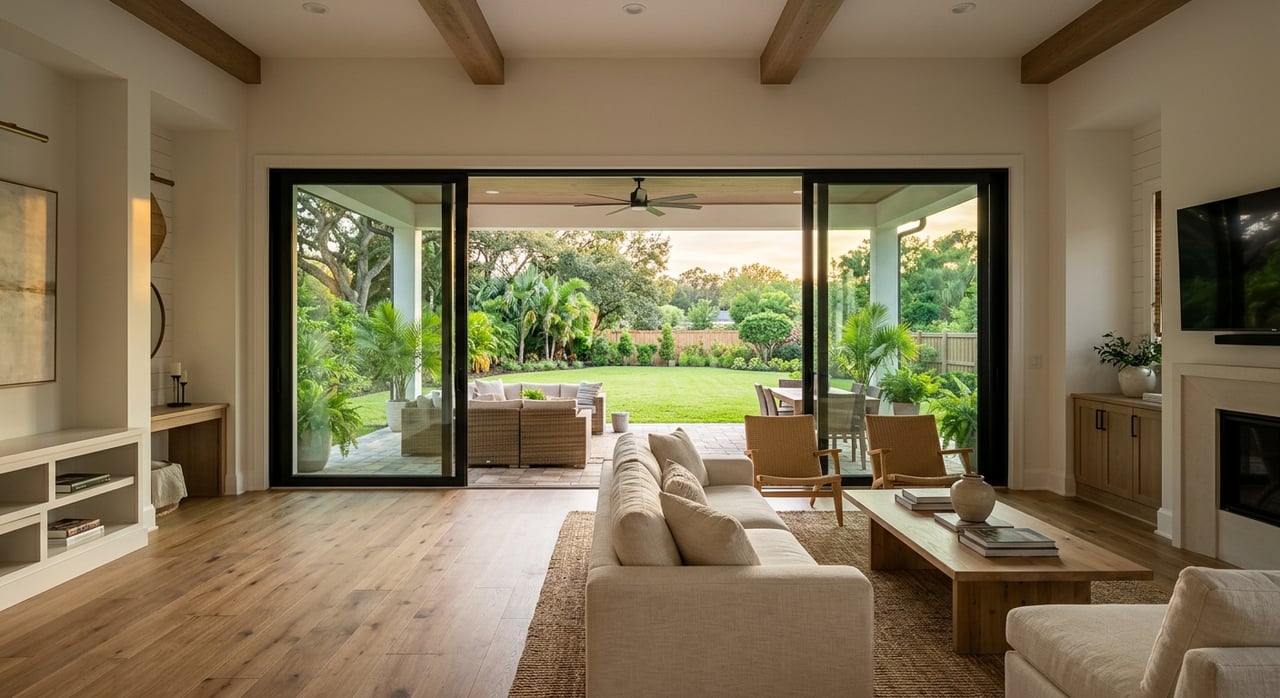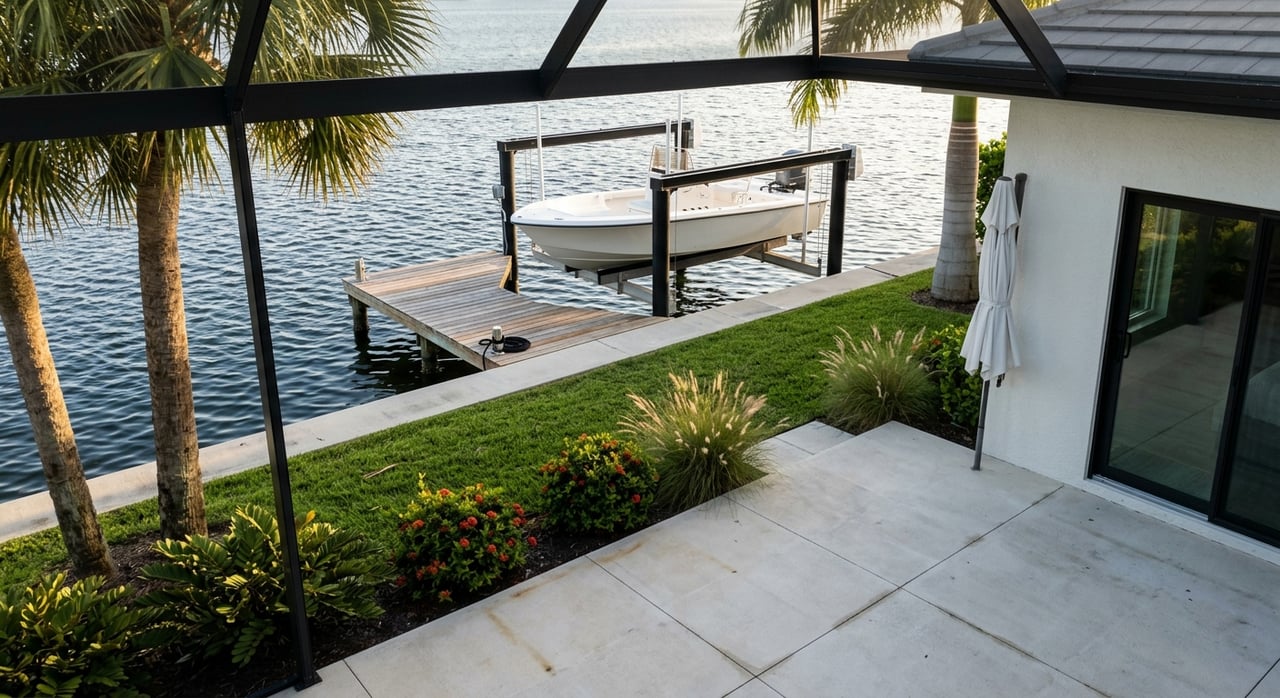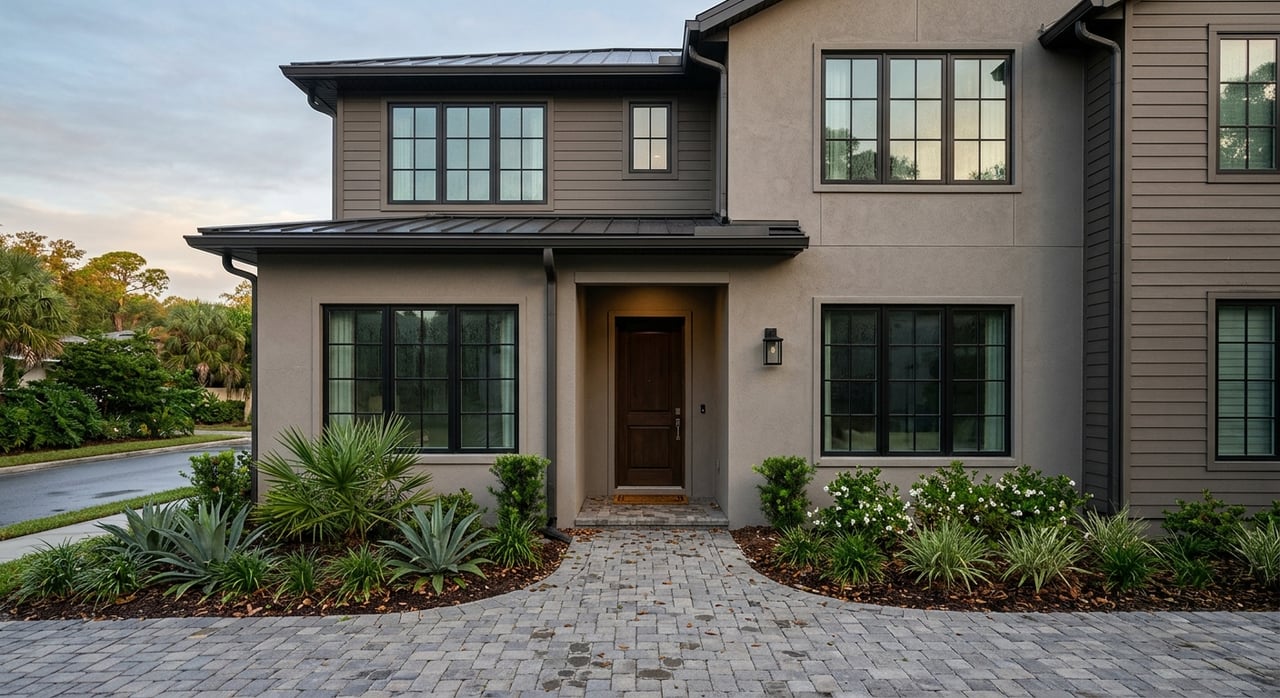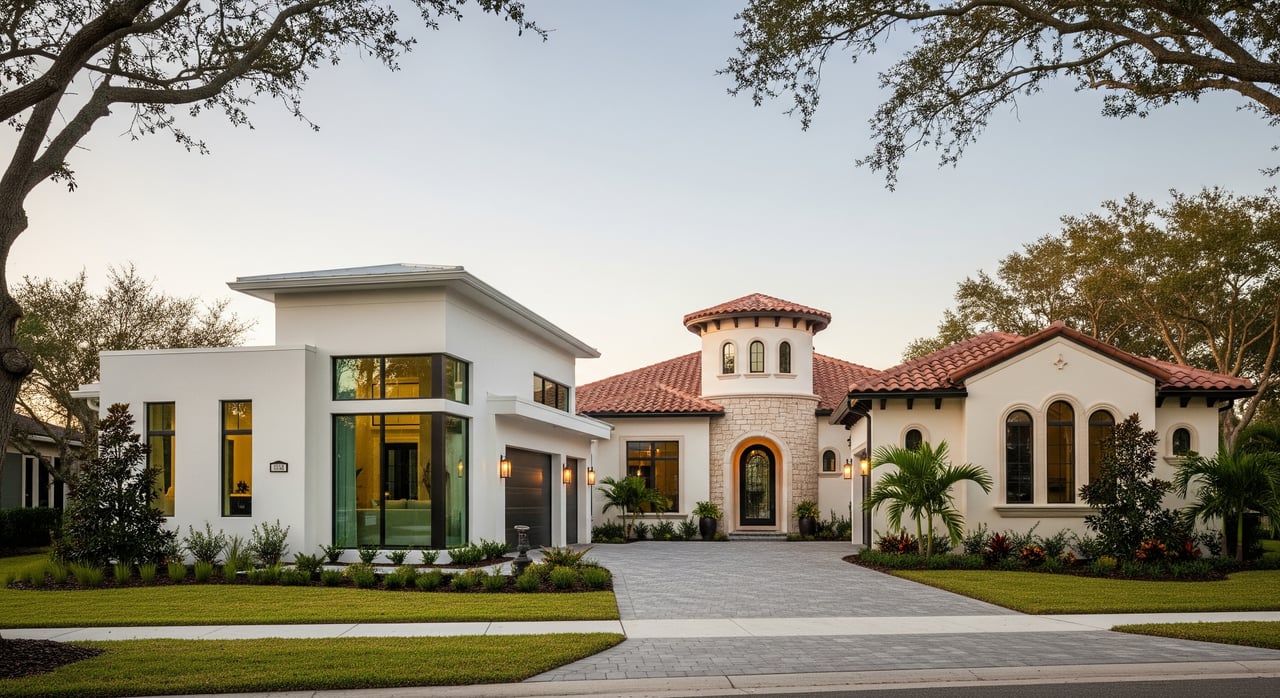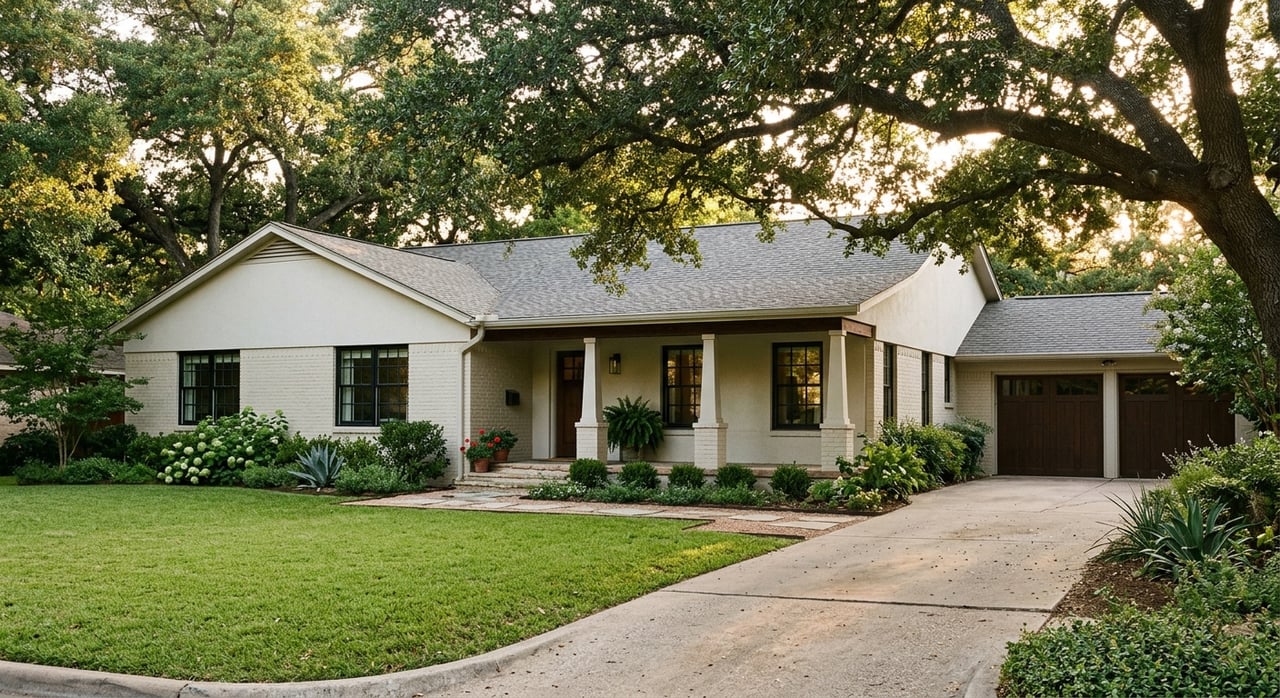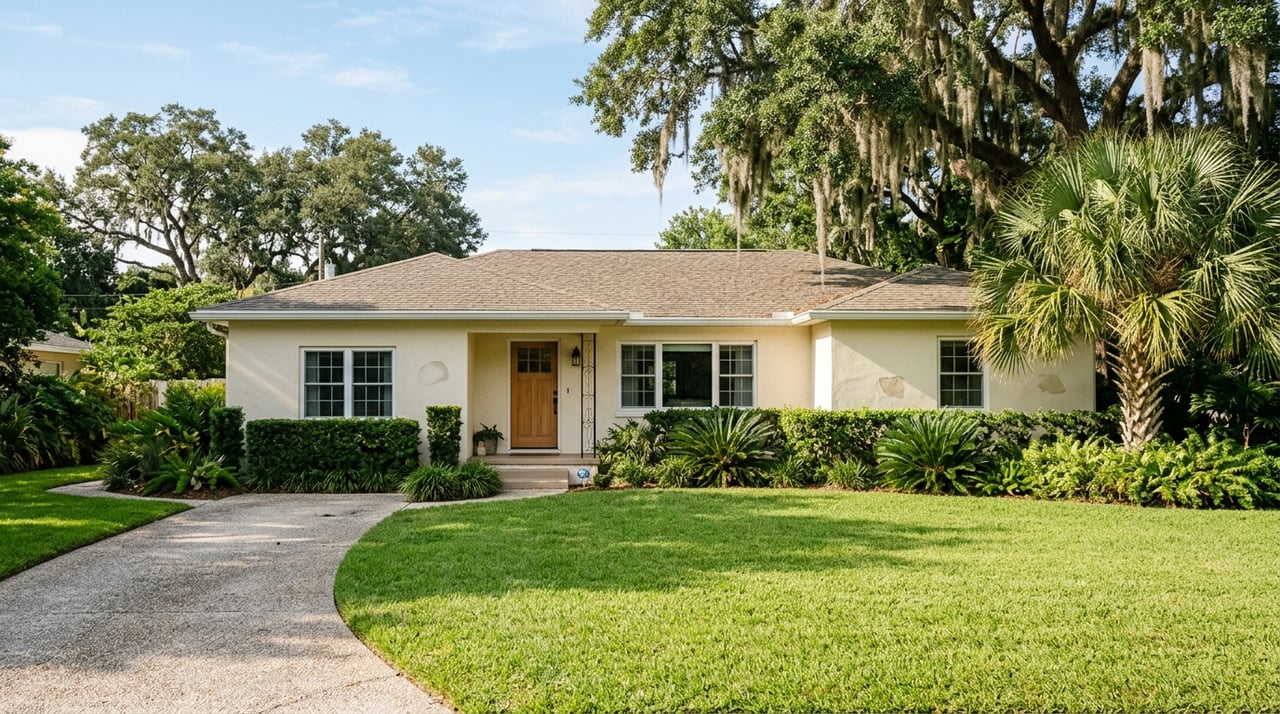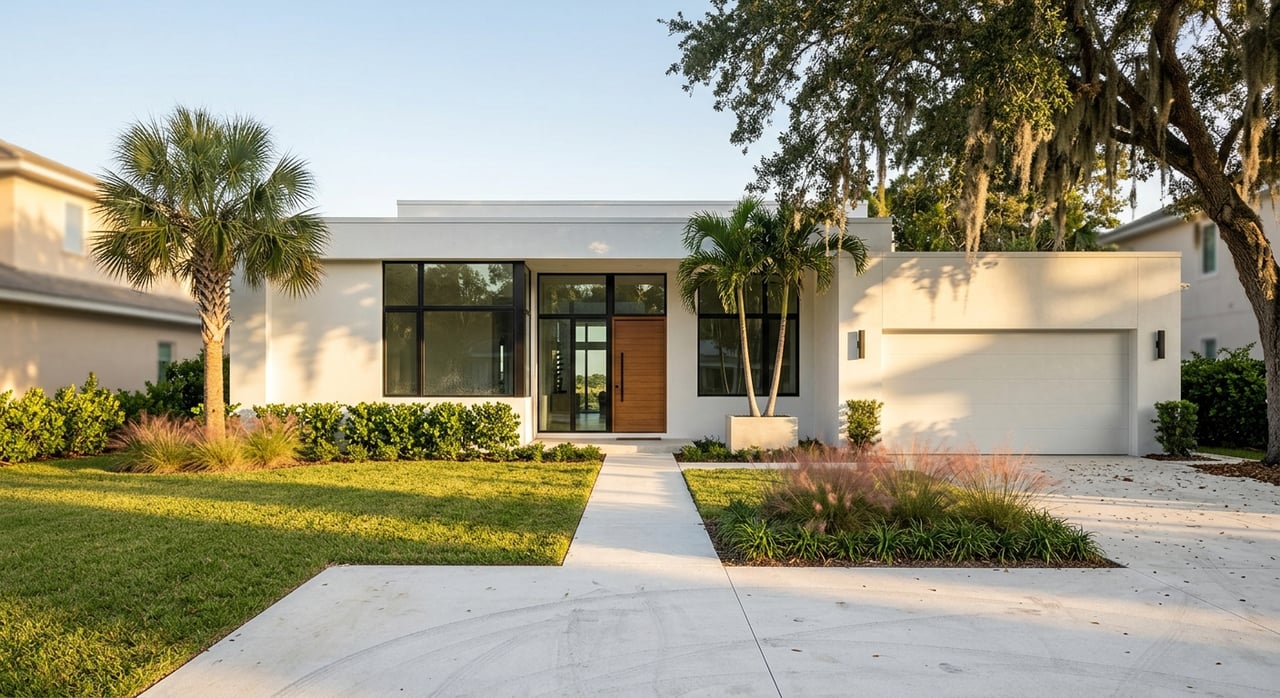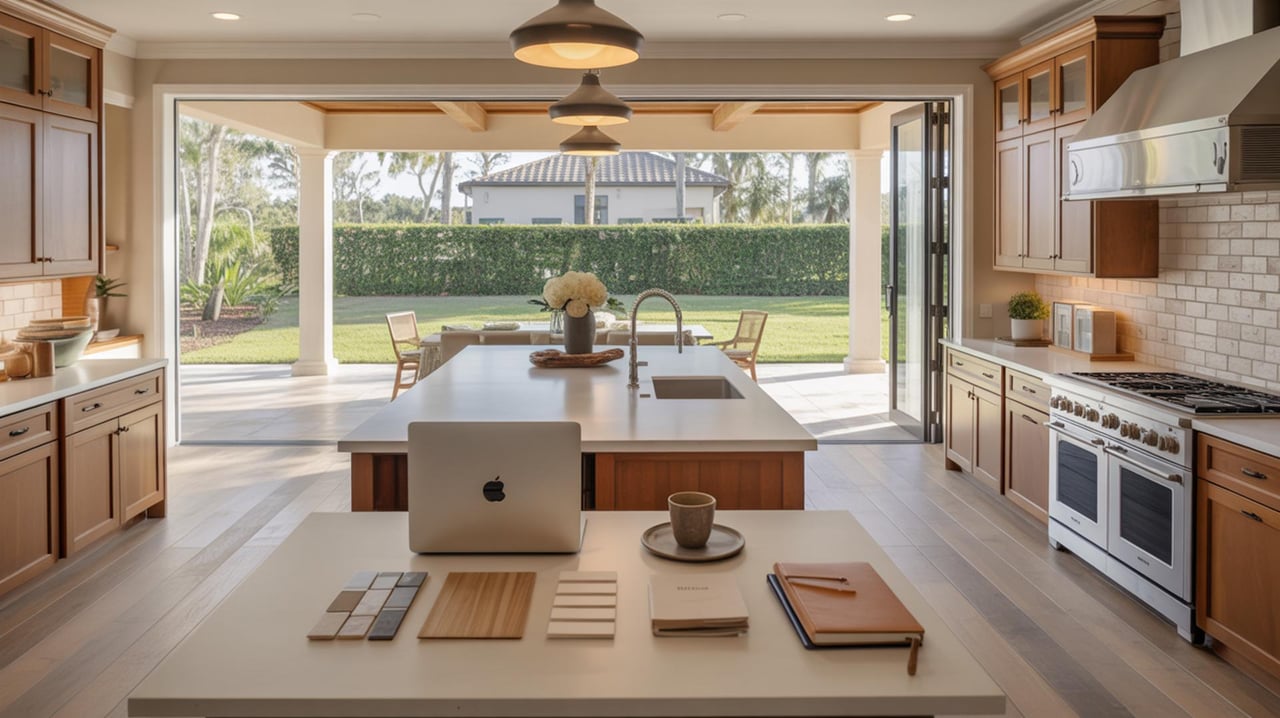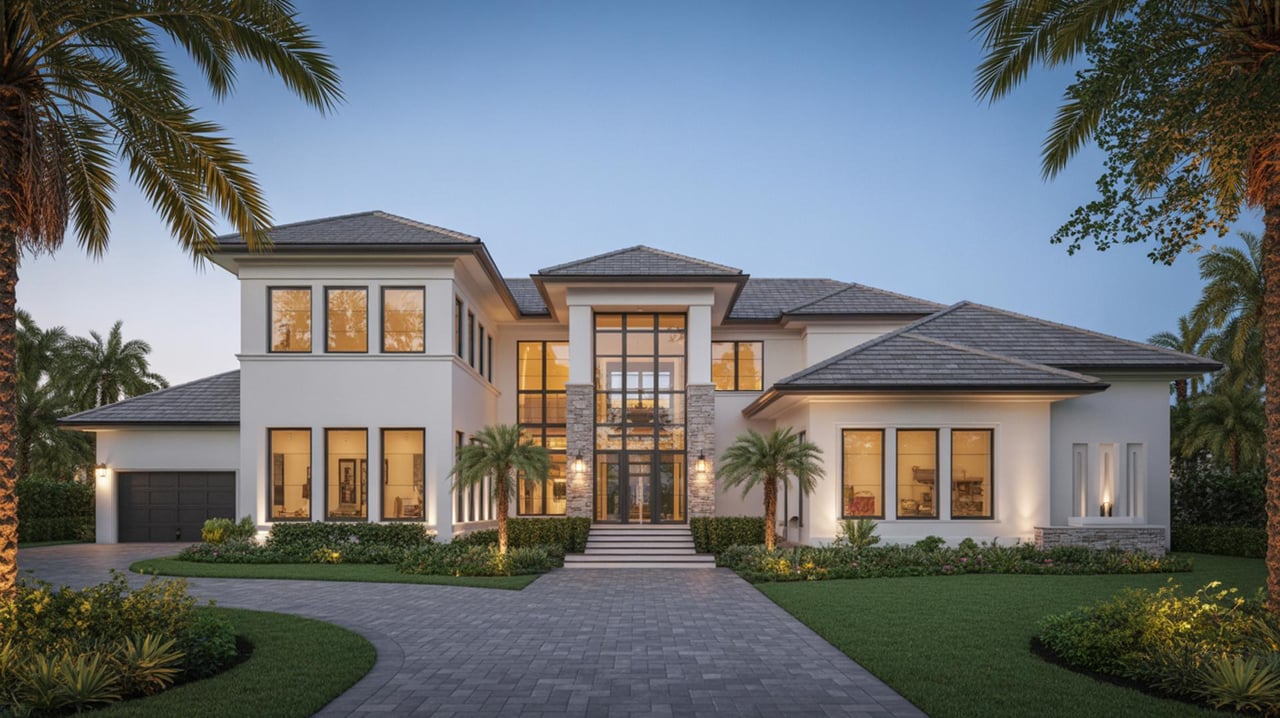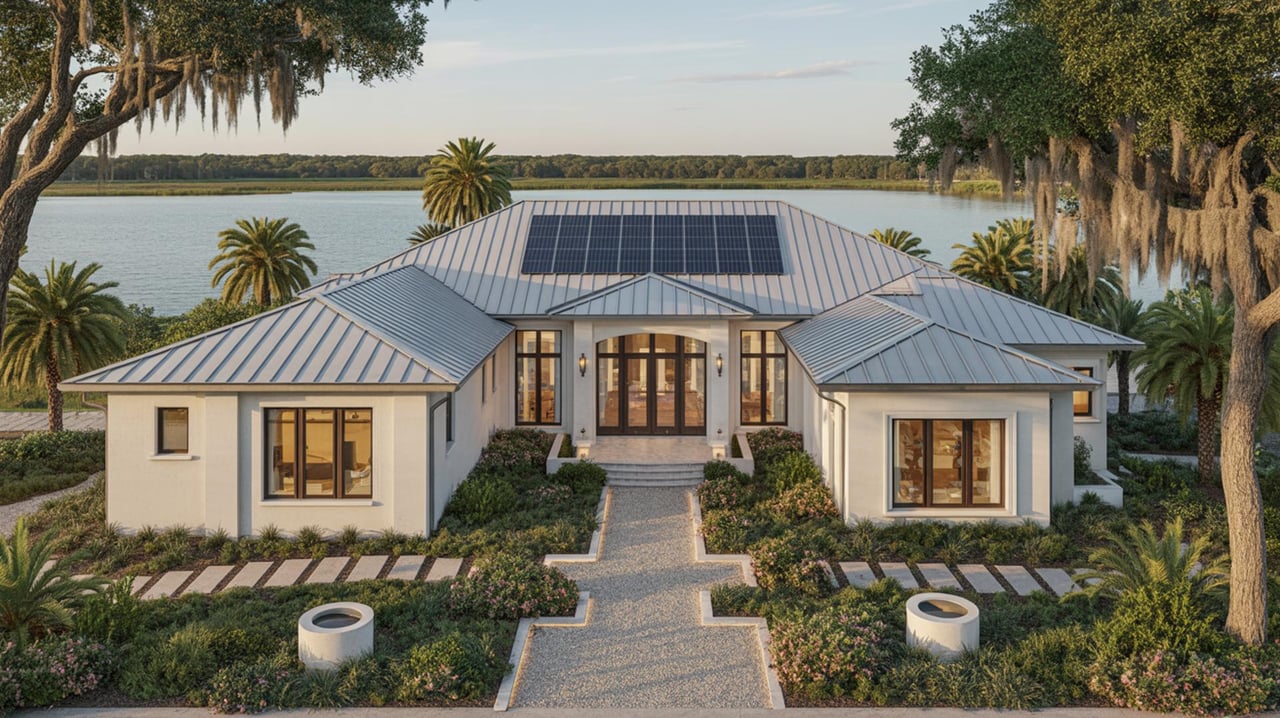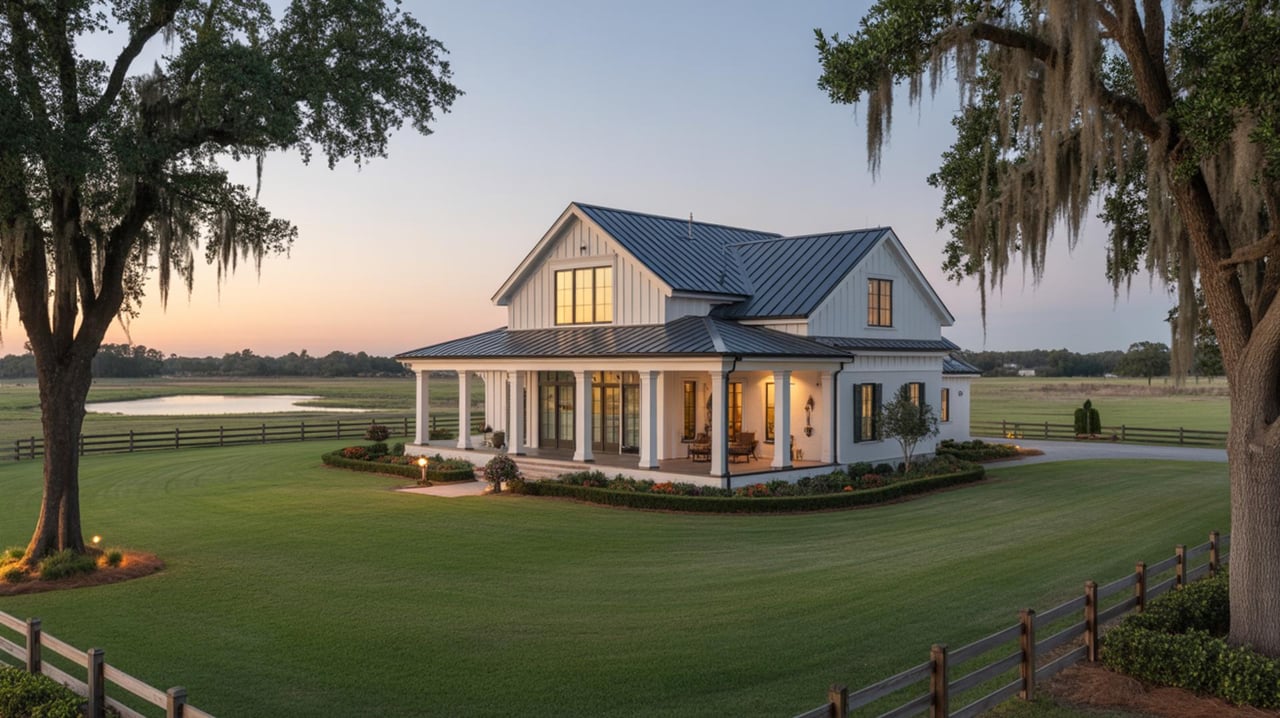
Want a little more sky above you and soil under your feet without drifting too far from Tampa? If you dream of a garden, a workshop, or simply a backyard that feels like your own private park, Plant City could be a great fit. You get a small‑town, farm‑friendly vibe and room to stretch out while staying within reach of I‑4 and major job centers. In this guide, you’ll learn where larger lots are most common, what to verify before you buy, and how to shop acreage with confidence. Let’s dive in.
Why Plant City fits space‑seekers
Plant City blends a working‑farm identity with convenient access to Tampa and Lakeland. You see it in the seasonal rhythms, local markets, and a community calendar that still makes room for tractors and berry fields. The city’s location along I‑4 offers a realistic commute for buyers who will trade a few extra miles for quiet streets and bigger yards. If you want a couple of raised beds, a small barn, or space for hobbies, this area often delivers.
Where to find larger lots
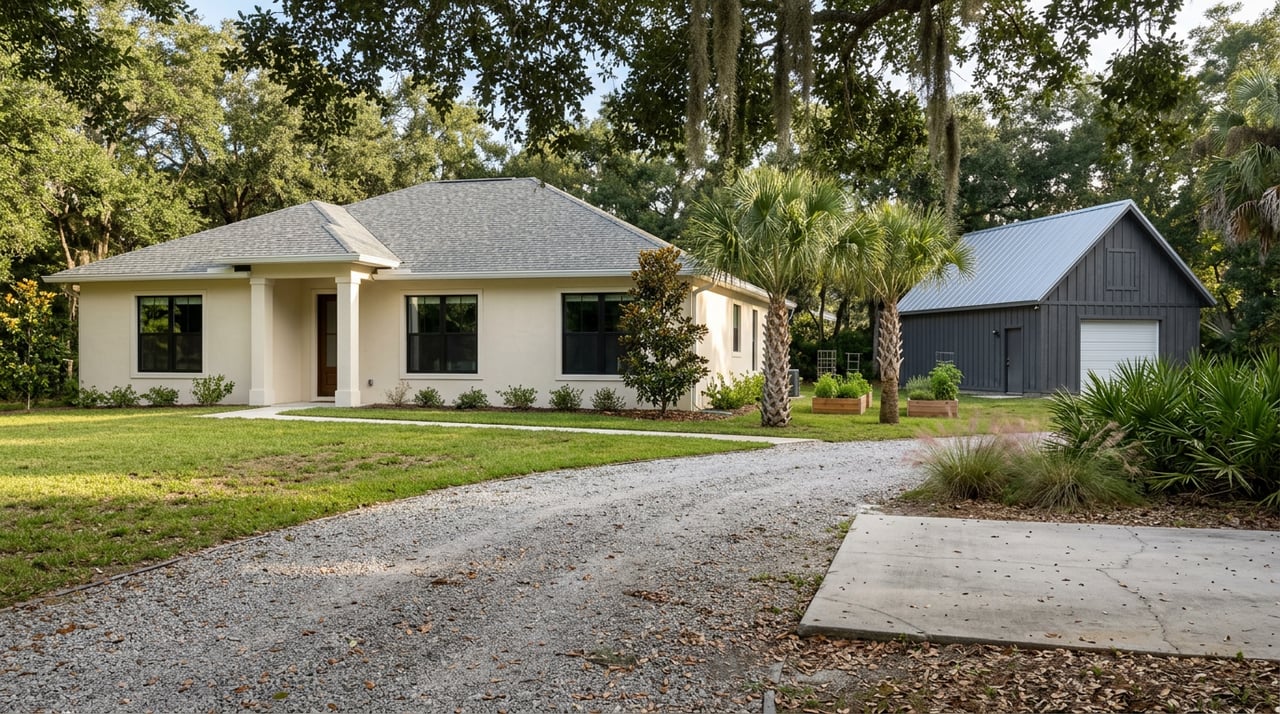
You’ll find the biggest parcels outside the compact downtown grid. As you move along county roads and feeder roads off I‑4, lot sizes tend to increase. Many subdivision parcels inside city limits are under an acre, while 1 to 5 plus acre homesites are more common on the rural fringes and agricultural pockets.
Before you get attached to a property line sketched on a flyer, confirm the facts. Use the Hillsborough County Property Appraiser’s parcel and GIS viewer to see recorded lot sizes, parcel boundaries, and legal descriptions. The map tools are your first reality check when you are comparing open land versus wooded acreage and when you want to verify access points and shape of the parcel. You can explore parcels on the county’s viewer through the Hillsborough County Property Appraiser GIS.
- Check the parcel lines and acreage in the county’s map viewer: Hillsborough County Property Appraiser GIS
Zoning, barns, and accessory uses
A property can feel rural and still have rules. Setbacks, building heights, and where you can place a barn or workshop are governed by local zoning and development regulations. Accessory structures often require permits and must meet separation and coverage standards.
- Start your research with the city’s code reference for accessory standards: Plant City development code overview
- Call Plant City Planning & Zoning early to discuss your intended use. A quick conversation can save you time and money.
Utilities: water, sewer, wells, and septic
Not every acreage parcel connects to city utilities. Some homes rely on private wells and septic systems. Knowing what serves the property helps you plan for maintenance, upgrades, and future expansion.
- Water and sewer: Confirm service availability and connection fees directly with Plant City Utilities through the Water Utilities page.
- Wells and septic: Ask for well logs, septic permits, and maintenance records. For new well construction or septic permits and inspections, contact the Florida Department of Health in Hillsborough County. Learn more from the DOH’s well construction and septic resources.
Pro tip: If a future sewer hookup becomes available, you may need to abandon an existing septic system according to permit rules. Get that process and cost on your radar during due diligence.
Flood risk and insurance basics
Flood zones affect lending and premium costs, even inland. Always check the flood designation for any property you are considering.
- Use FEMA’s Flood Map Service Center to look up a parcel’s flood zone and see if it is in an AE, V, or X zone. Start your lookup at the FEMA Flood Map Service Center.
- Ask sellers for any elevation certificates and past flood claims for existing structures.
Homeowners insurance across Florida has been volatile. Plant City’s inland location typically lowers coastal flood exposure compared to beach communities, but wind and market conditions still influence pricing. Get quotes early and compare coverages because the Florida market shifts. For context on statewide trends, see recent reporting in the Insurance Journal.
Soils, drainage, and your garden plan
Soil type and drainage affect everything from the health of a vegetable garden to where a drainfield can go. Many local soils are sandy and fast draining, which can be great for berries and veggies but may require organic matter and thoughtful irrigation.
- Review regional soil and planting guidance from UF/IFAS’s Gulf Coast Research and Education Center. Their resources reflect strawberry‑region soils and seasonal timing: UF/IFAS GCREC overview.
On tour, look for low spots, signs of standing water after rain, and where downspouts discharge. If you are planning a larger garden or animal area, factor in site prep like grading, adding topsoil, and establishing durable access paths.
Broadband and remote work checks
If you work from home, confirm more than just a provider’s name. Service quality can vary by street in rural pockets.
- Use provider tools and third‑party maps to confirm options and speeds at the address. A helpful place to start for local availability is BroadbandNow’s Plant City page.
- Ask for a recent speed test from the seller if they have service. Note the time of day and upload speed if you use video calls.
What to look for on tour
Walk the property with a notepad and camera. Small observations can prevent big surprises later.
- Driveway and access. Confirm the driveway enters from a public road or a recorded private easement. Unrecorded paths can create title headaches.
- Septic and well locations. Note where the tank and drainfield sit relative to planned gardens or shops, and how far they are from any well or irrigation source.
- Utilities at the road. Identify electric, cable, and fiber. Know whether trenching will be needed to reach the home site.
- Outbuildings. Check construction type, whether permits were pulled, electrical hookups, and whether size and placement meet current zoning.
- Site prep needs. Look for grading, topsoil, and pad elevation needs for gardens, barns, or parking pads.
- Fencing and security. If you plan to keep animals, confirm fence type and any compliance requirements.
Quick buyer checklist
Use this list to keep your search efficient and focused.
- Verify parcel size and shape in the county GIS map, not just a listing flyer.
- Treat lot size and buildability as separate questions. Confirm wetlands, setbacks, and allowable uses before you plan structures.
- Request seller records: permit history, septic permits and maintenance logs, any well documentation, elevation certificates, and a recent survey.
- Compare insurance quotes early for homeowners, wind, and flood where required.
- Contact Plant City Building and Planning & Zoning for in‑city parcels, and the county permitting or health department for unincorporated parcels, before assuming a barn, RV storage, or commercial hobby use is allowed.
Lifestyle highlights you will love
Plant City’s farm‑forward culture shows up in everyday life. The Florida Strawberry Festival each late winter and early spring draws visitors from all over and anchors the community’s identity. If you want to lean into produce and plants, local u‑picks and farm markets make it easy to stock your pantry or gather starts for the garden. Explore the festival calendar at the Florida Strawberry Festival.
Parks and recreation programs add to the backyard‑friendly feel. You will find youth sports, community events, and open spaces that make weekend time easy. It is a lifestyle built around porches, wide skies, and the kind of golden‑hour light that reminds you why you moved.
Schools and essential services
Public schools are administered by Hillsborough County Public Schools. School assignments are address specific, so you will want to check the correct attendance area for each property you consider. Use the district’s Plant City information page and zone lookup through Hillsborough County Public Schools.
How our team helps you buy with confidence
Acreage deals ask different questions than a typical subdivision home. You need a partner who understands zoning, utilities, permits, insurance, and how each one affects your budget and timeline. As a boutique team led by a broker and CPA, we bring practical, financially minded guidance to every step. We will help you read parcel maps, coordinate the right inspections, and connect you with trusted local pros for wells, septic, and site work.
Relocating or using a VA loan? We routinely support military and out‑of‑area buyers who need clear process and dependable timelines. If you are considering light renovation or adding an outbuilding, we will help you assess the upside and the red flags before you commit.
Ready to find land, light, and a little extra elbow room in Plant City? Let’s make a plan that fits your lifestyle and your numbers. Reach out to Lori Moses for a friendly strategy call and on‑the‑ground guidance.
FAQs
What lot sizes are common for acreage buyers in Plant City?
- You will typically see under‑1‑acre parcels near downtown and 1 to 5 plus acre homesites in the rural fringes and agricultural pockets around the city.
How do I confirm if a barn or workshop is allowed on a property?
- Review local accessory use standards in the city code and call Planning & Zoning to confirm setbacks, size limits, and permit needs for your specific parcel.
Do all Plant City acreage homes have city water and sewer?
- No, many rural properties use private wells and septic systems, so you should verify utility service or plan for private systems before you buy.
How can I check flood risk and estimate insurance needs?
- Look up the property’s flood zone using FEMA’s map, request any elevation certificates, and obtain early quotes for homeowners, wind, and flood coverage.
What should I verify for remote work on a rural parcel?
- Confirm provider availability and actual speeds at the address, ask for recent speed tests, and plan for any equipment or line extensions you may need.