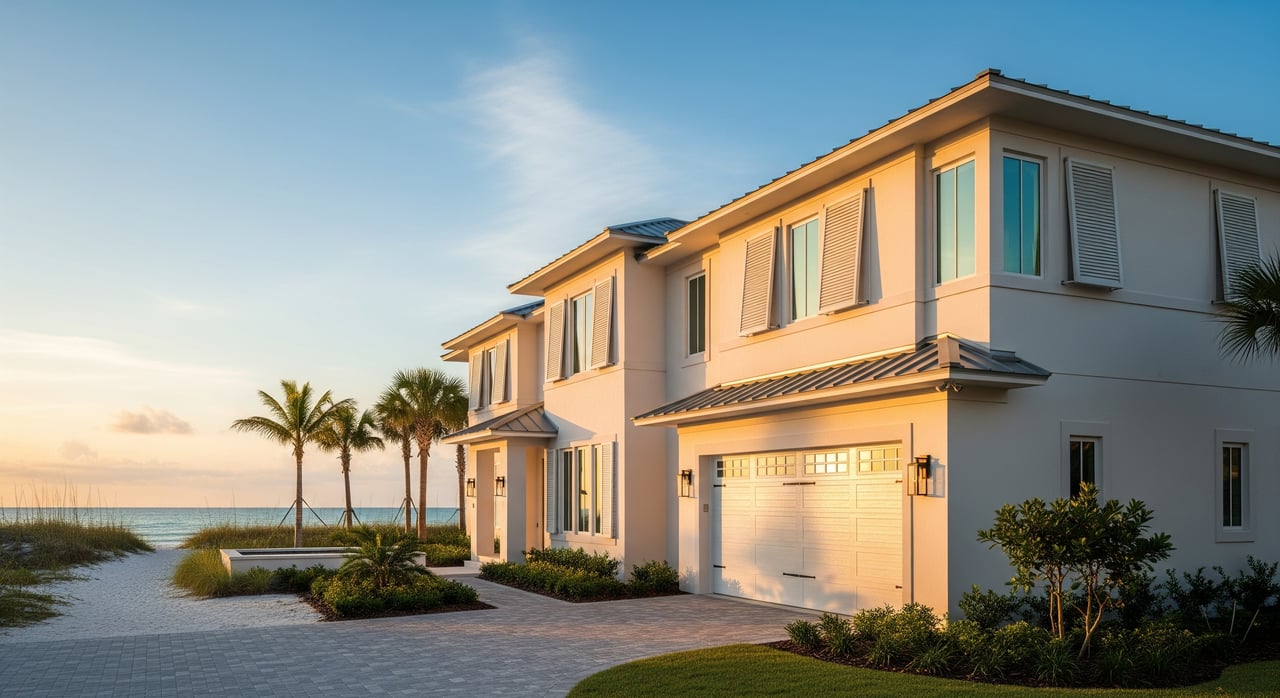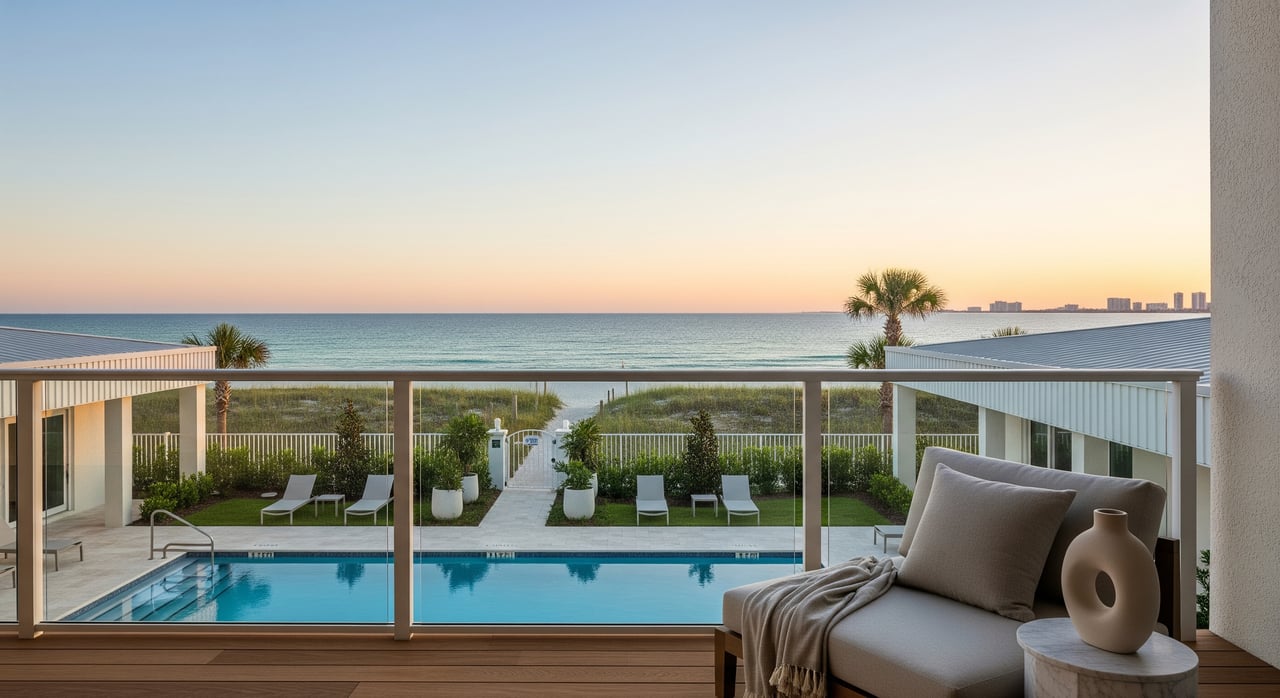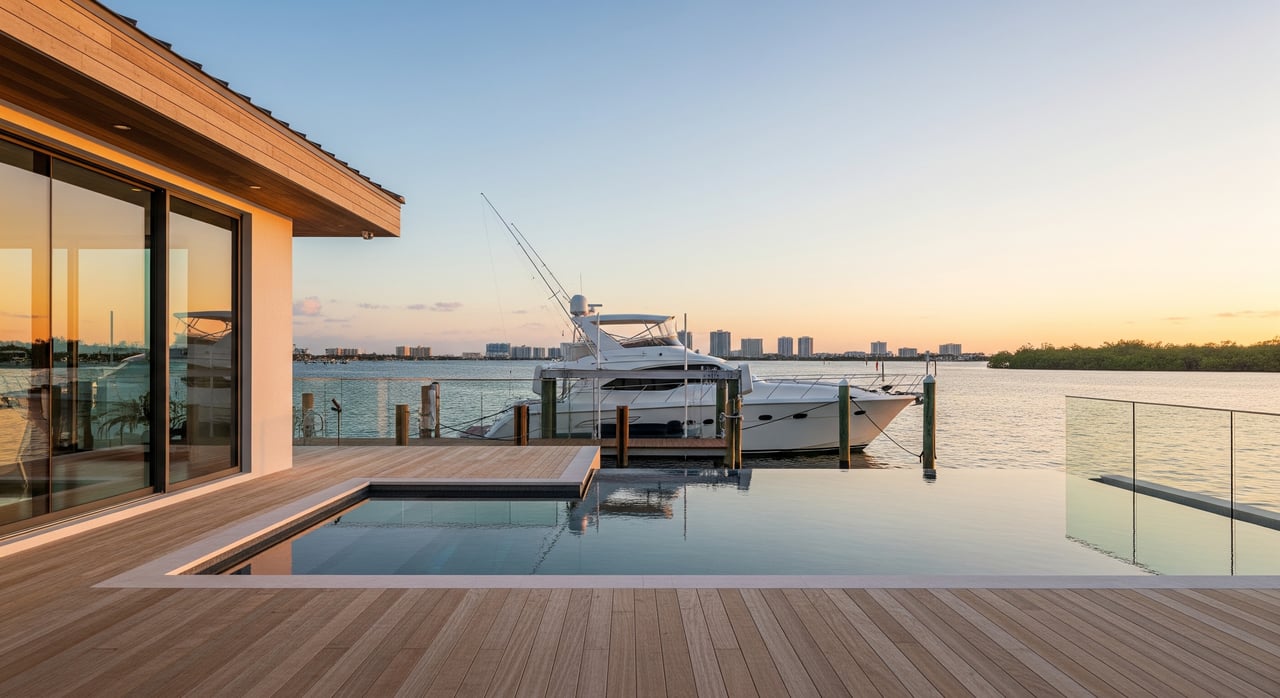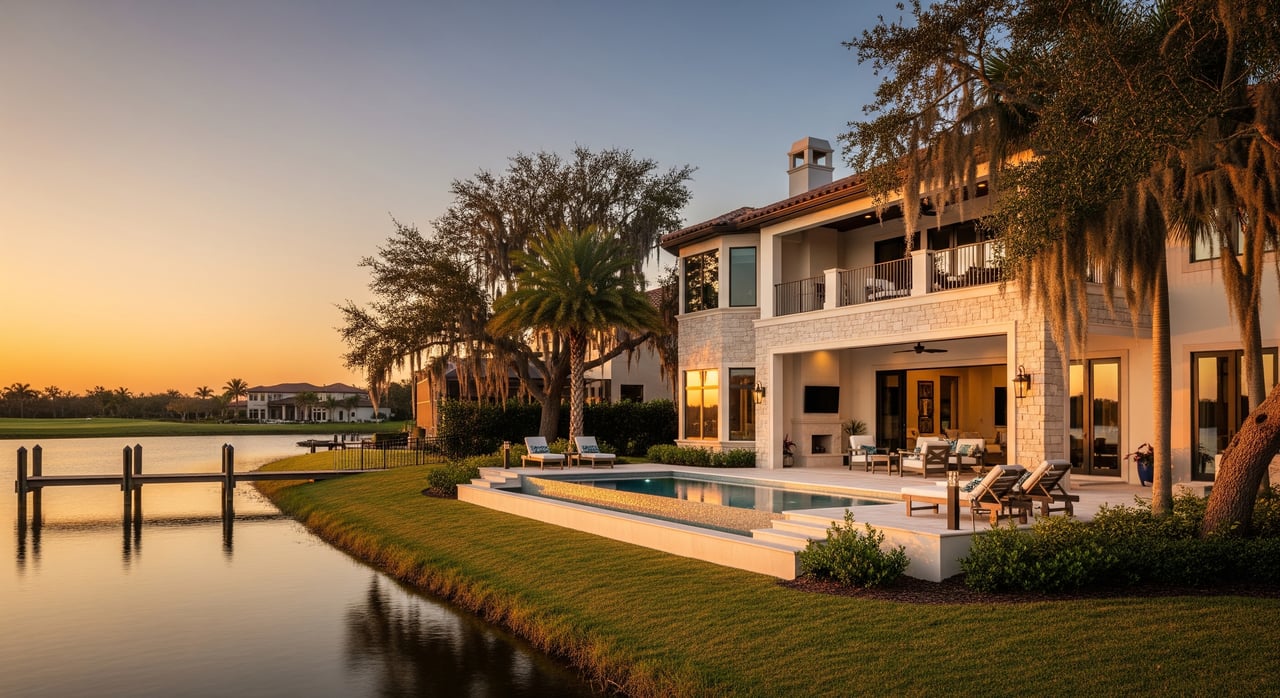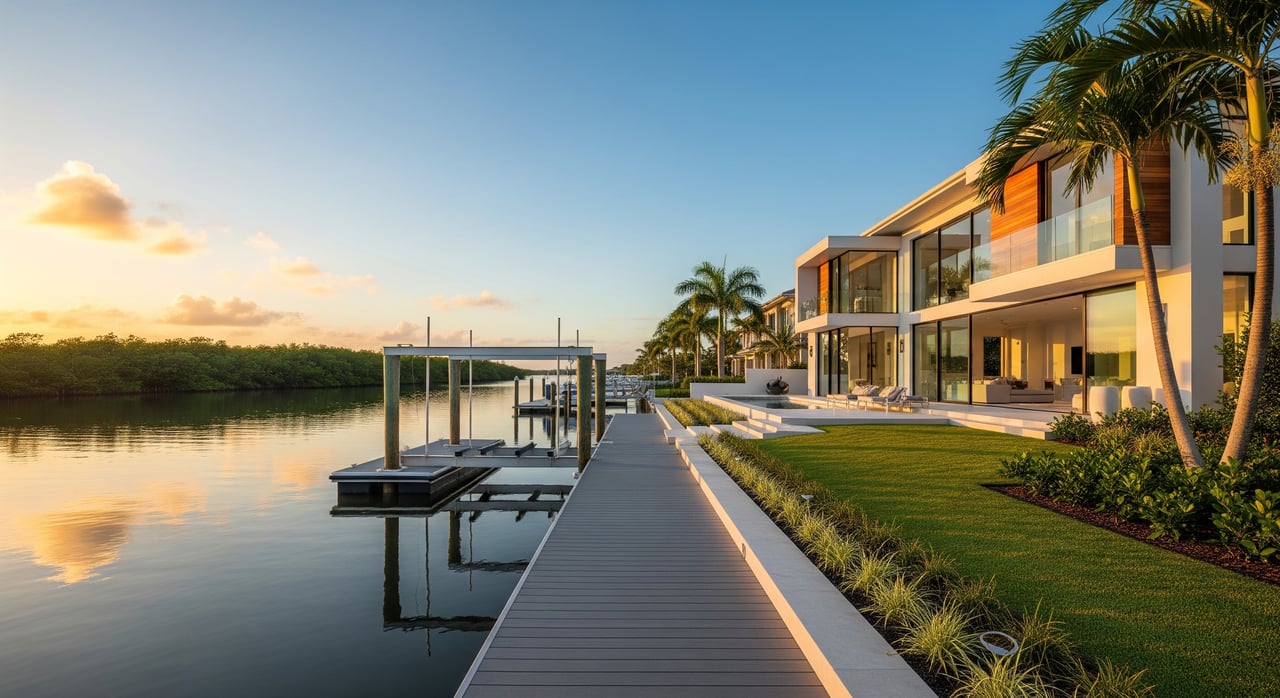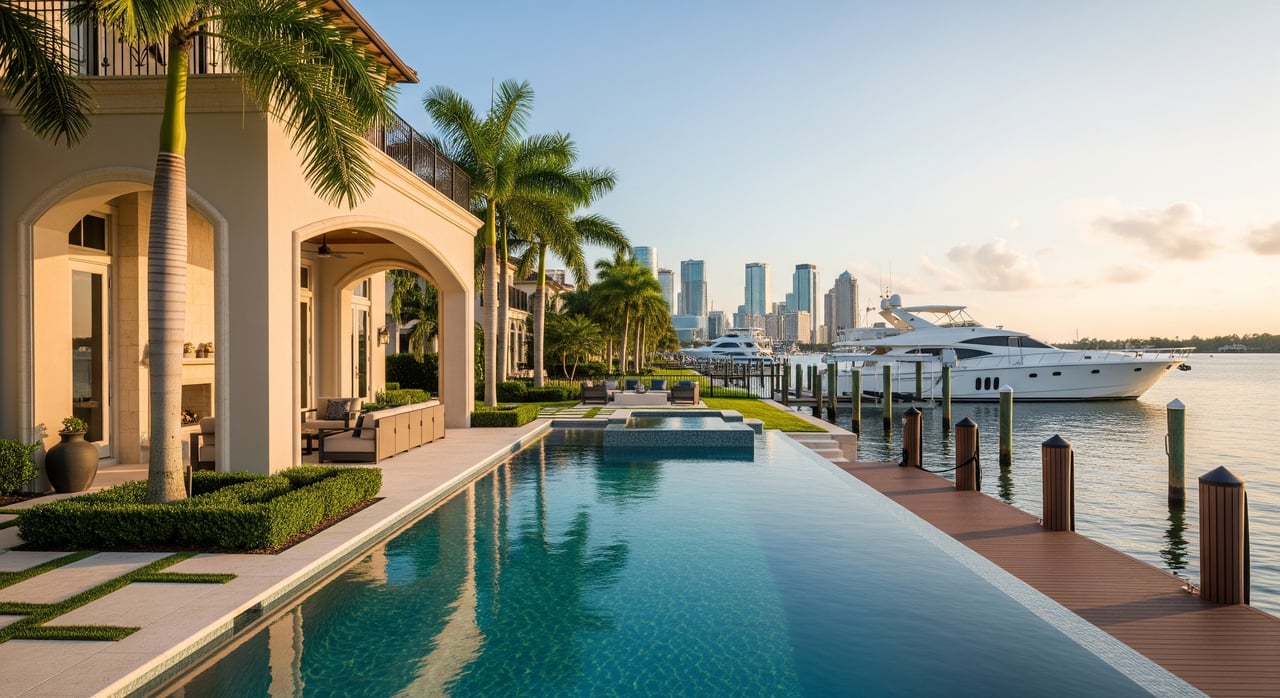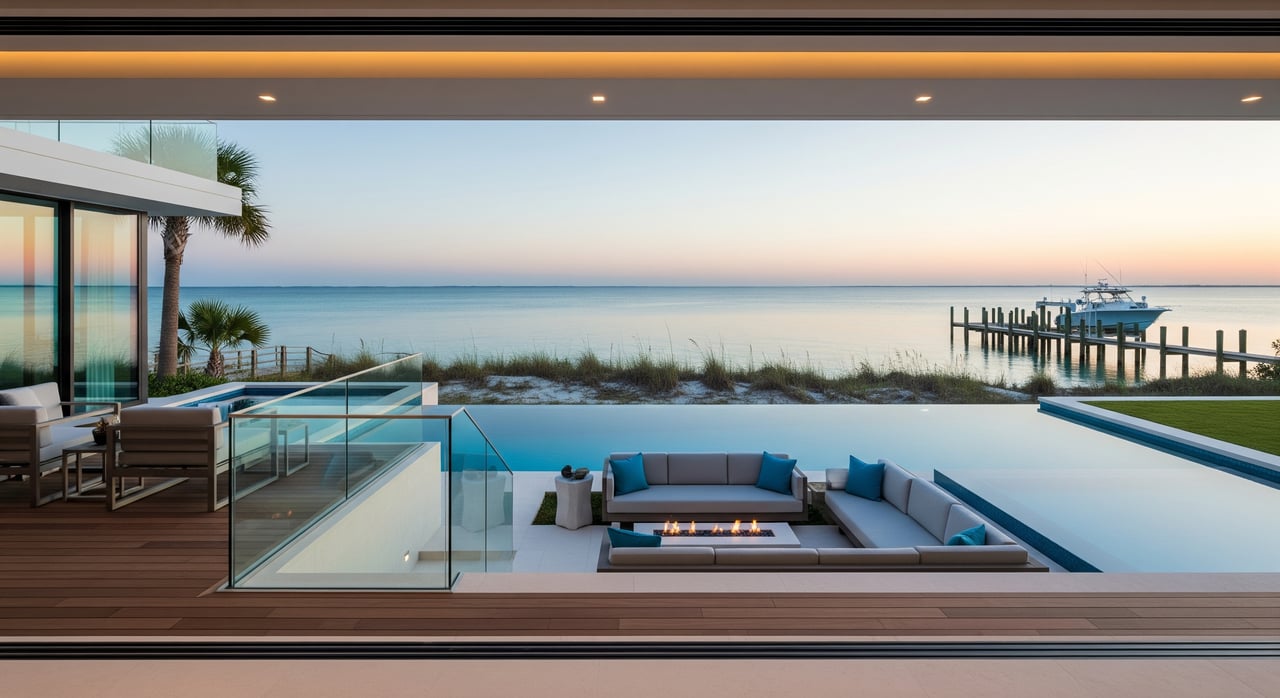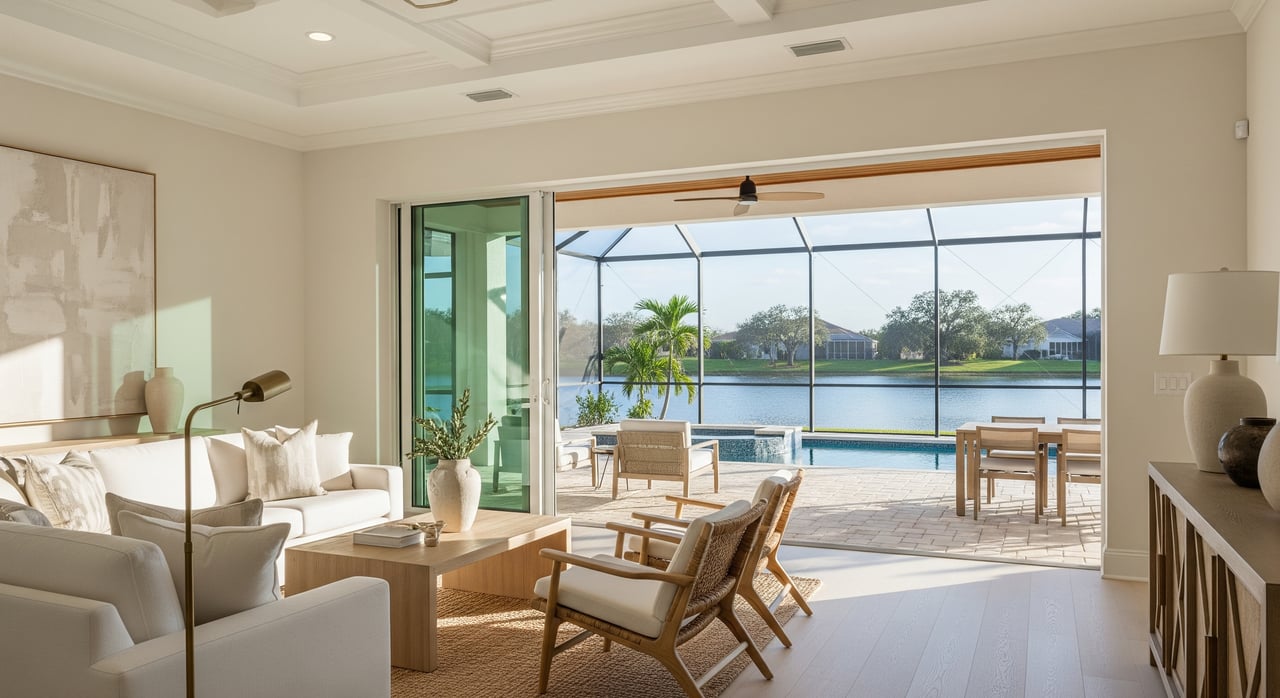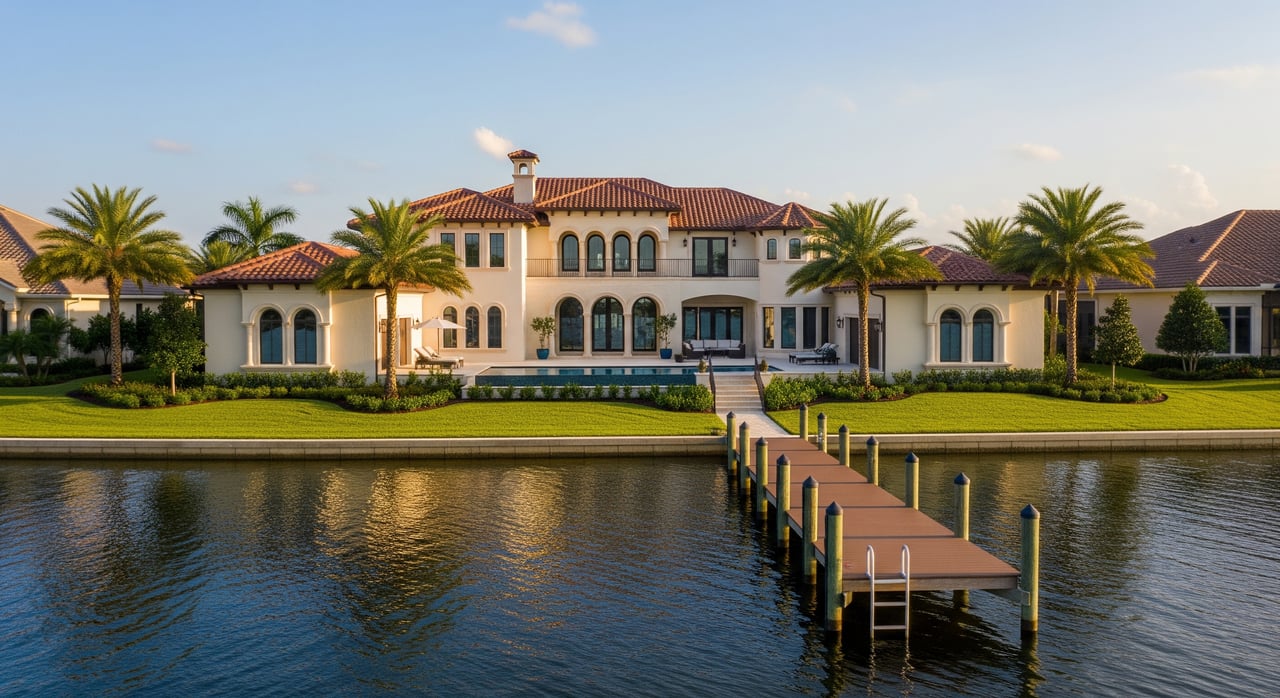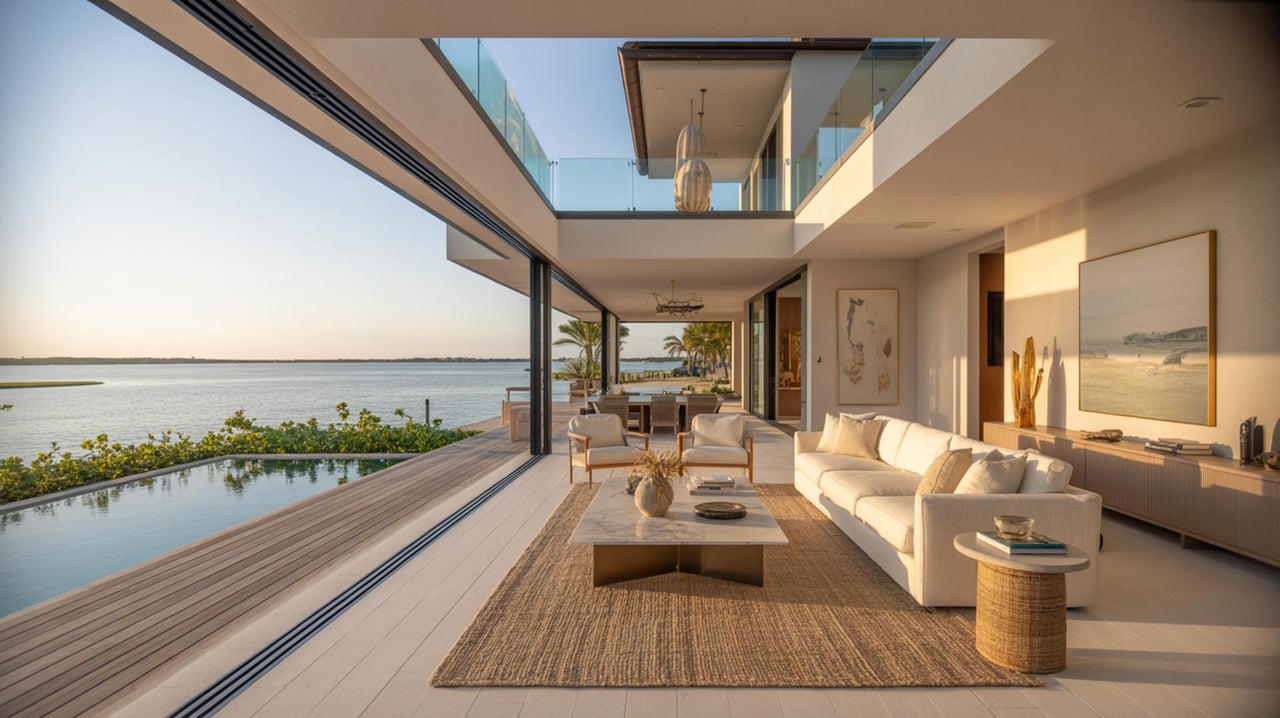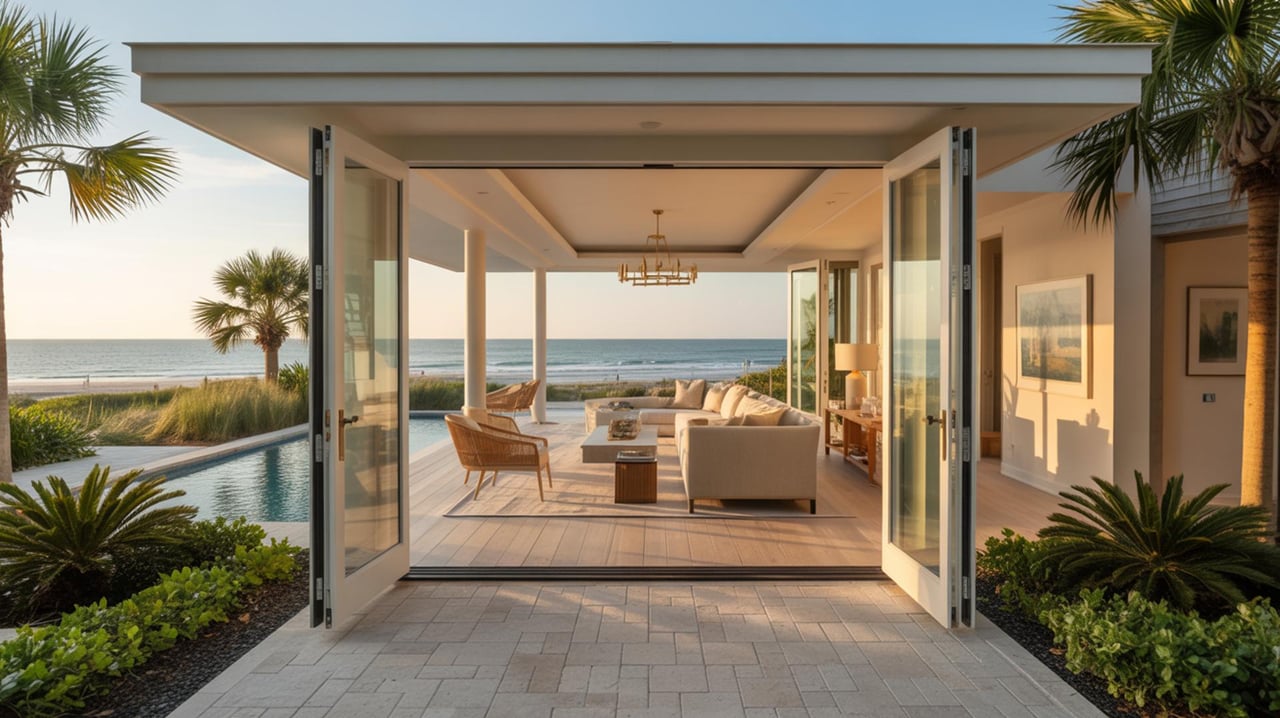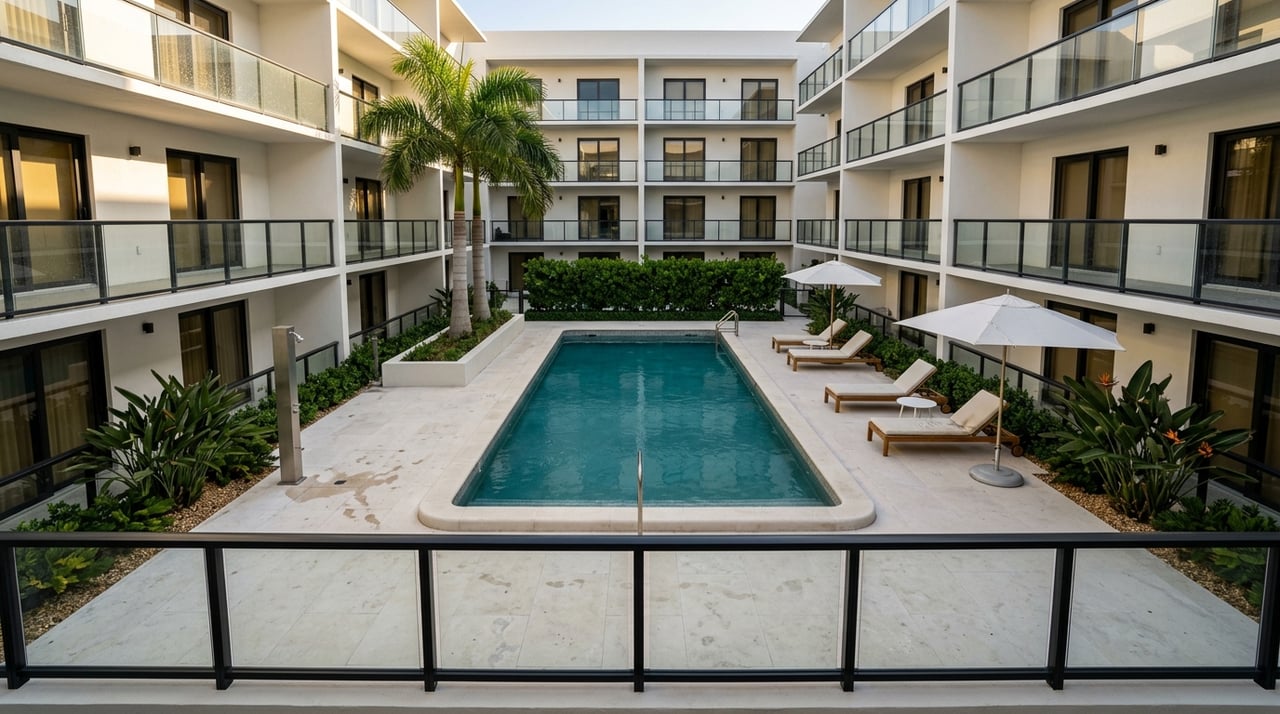
Dreaming about waking up near the Gulf, walking to the sand, and ending the day with sunset views from your balcony? Buying a beach condo in Madeira Beach can deliver that lifestyle, but it also comes with some very specific questions about buildings, budgets, rentals, parking, and storm exposure. If you want a condo that fits both your day-to-day life and your long-term plans, this guide will help you focus on what matters most. Let’s dive in.
Why Madeira Beach Stands Out
Madeira Beach offers a distinct Gulf Coast feel that many buyers are looking for. According to the Madeira Beach community profile, the city blends an old Florida fishing-village character with a lively beach-town atmosphere, with John’s Pass Village & Boardwalk serving as a central hub for shopping, dining, boating, and birdwatching.
That setting gives Madeira Beach a different vibe than nearby beach markets. Clearwater Beach is known for attractions like Pier 60 and the Clearwater Marine Aquarium, while Madeira Beach feels more centered around the village and the pass. For many buyers, that means a location that feels active and fun without leaning too heavily into a major resort scene.
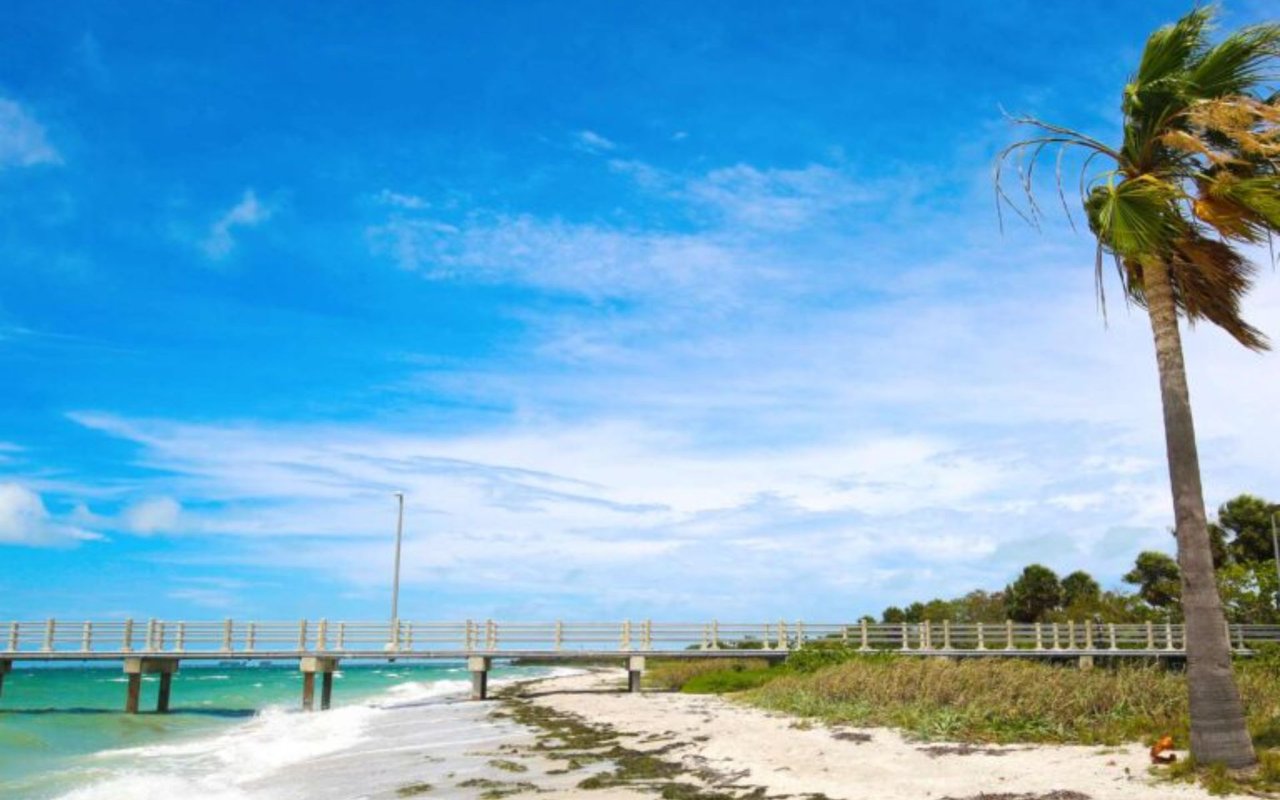
Madeira Beach also has about 2.5 miles of beaches and access to the Suncoast Beach Trolley, which connects Clearwater Beach and Madeira Beach. If you want a condo where you can enjoy the beach and nearby coastal destinations without driving everywhere, that can be a real plus.
Choose the Right Condo Location
Not every beach condo in Madeira Beach lives the same way. Some buildings are directly on the sand, some sit across Gulf Boulevard, and others may depend on nearby public access or a walkover. Before you fall in love with finishes or views, make sure you understand how you will actually get to the beach.
The city’s beach access information shows that practical access matters here. Archibald Memorial Beach Park and John’s Pass Park both offer metered parking, walkovers, restrooms, showers, picnic areas, and chair rentals. That means convenience is not just about being close to the water. It is also about how easy it is to park, carry gear, host guests, and enjoy the beach regularly.
When you compare condos, ask yourself a few simple questions:
- Are you truly beachfront, or crossing a busy road to reach the sand?
- Is there a walkover or direct access point nearby?
- How easy is guest parking?
- Will daily beach use feel simple or frustrating?
Those details can shape both your lifestyle and the condo’s future appeal if you ever sell.
Compare Building Amenities Carefully
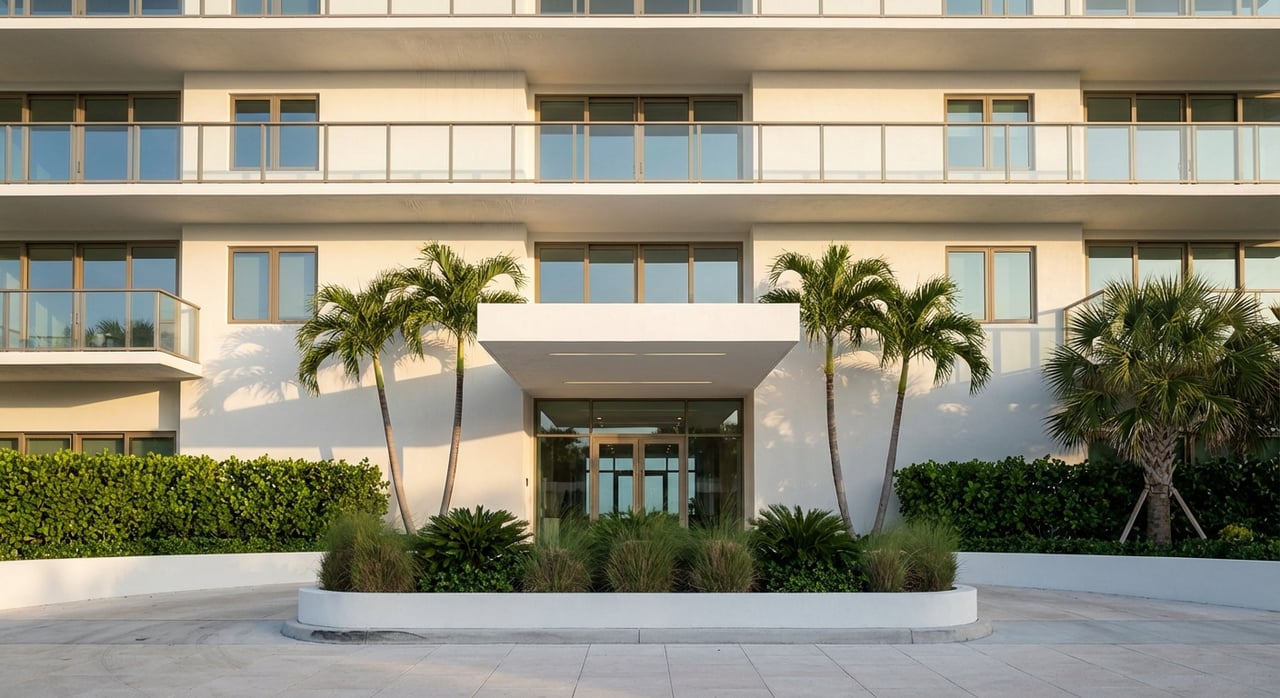
Beach condo buyers often start with the obvious features like views, balconies, and pools. Those matter, but building function matters just as much. In Madeira Beach, parking, elevators, entry access, and the ease of getting in and out of the property can affect your day-to-day experience more than you might think.
The city also offers resident parking passes to owners or lessees who provide proof of residency. Even so, parking remains an important variable near public beach access points and around John’s Pass. If your condo lifestyle includes visitors, second-car needs, or seasonal use, parking deserves extra attention.
As you tour properties, it helps to compare:
- Assigned parking versus open parking
- Covered parking versus uncovered parking
- Elevator access
- Secure building entry
- Storage for beach gear
- Marina or water-access features, if relevant
- Guest access and guest parking rules
A beautiful unit can lose some shine if everyday logistics are difficult. In beach communities, convenience is part of the value.
Review HOA Rules and Costs
One of the biggest steps in buying a beach condo in Madeira Beach is understanding the condo association. In Florida, the association is generally responsible for common elements, but the exact responsibility can depend on the condo declaration. Under Florida Statute 718.113, buyers should review the declaration carefully before assuming who pays for items like windows, balconies, shutters, or other exterior components.
This is where many buyers need to slow down and read the paperwork. Monthly dues may cover more than you expect, or less than you expect. Either way, the documents matter more than assumptions.
Ask for and review:
- The condo declaration
- Current budget
- Reserve schedule
- Rules and regulations
- Insurance information
- Recent meeting records, if available through the association process
- Special-assessment history
If you understand the building’s financial health before you buy, you reduce the chance of expensive surprises later.
Understand Reserves and Inspections
Florida condo law has changed how buyers should evaluate older and taller buildings. According to Florida DBPR guidance on condo inspections and reserves, residential condominium buildings that are three or more habitable stories may be subject to milestone inspections once they reach certain age thresholds. Residential condominium buildings three habitable stories or higher also require a Structural Integrity Reserve Study, or SIRS, at least once every 10 years.
That reserve study covers major components such as the roof, structural systems, fire protection elements, plumbing, electrical systems, waterproofing and exterior painting, and windows and exterior doors. These are not small details. They directly affect building condition, future dues, and the risk of a special assessment.
Florida financial guidance also says condo budgets must include reserve accounts for capital expenditures and deferred maintenance, including items such as roof replacement, building painting, pavement resurfacing, and qualifying items over the annual threshold listed in the state guidance. You can review that in the DBPR financial information guide.
If a reserve study shows a funding gap, the DBPR notes that associations may need a special assessment, loan, or line of credit to meet the reserve schedule. For you as a buyer, that can mean higher monthly costs or added expenses after closing.
Request These Condo Documents Early
Before making an offer, try to gather the key association records as early as possible. The state notes in its condominium buyer FAQs that structural inspection reports and reserve studies are part of the association’s official records and must be provided to potential purchasers.
A smart condo document checklist includes:
- Current annual budget
- Reserve schedule
- SIRS report
- Milestone inspection report, if applicable
- Insurance documents
- Special-assessment history
- Condo declaration and rules
These documents help you judge whether a lower monthly fee is actually a bargain or a warning sign.
Plan for Flood and Storm Costs
In Madeira Beach, storm exposure is not a side issue. It is part of ownership. The city states in its flood resources that Madeira Beach is entirely within the floodplain.
That makes flood insurance a core budget item when you buy a beach condo here. It also means you should ask practical questions about the building’s insurance, maintenance history, waterproofing, and how storm-related issues have been handled in the past.
When you build your monthly budget, include:
- HOA dues
- Property taxes
- Condo insurance needs
- Potential flood-related costs
- Maintenance and reserve-related risk
A beach condo can absolutely be a smart and rewarding purchase, but only if your budget reflects real coastal ownership costs.
Know the Rental Rules Before You Buy
If you plan to rent out your condo, do not assume every building or location allows the same strategy. Madeira Beach has a short-term vacation rental code that requires registration through the city clerk, a 24-hour responsible party, parking and noise compliance, proof of tax registration, proof of a city business tax receipt, general liability insurance, and proof of building and fire inspections.
There is another major detail many buyers miss: zoning matters too. In at least the R-2 low-density multifamily district, short-term rentals of a housing unit are prohibited, and the code defines a short-term rental as any rental under three months.
On top of that, condo associations may have their own rental restrictions in the declaration or rules. So before you count on seasonal income, verify three things:
- City rental rules
- Zoning for the specific property
- Condo association rental restrictions
If a vacation-rental unit is sold, the city states that the vacation-rental certificate is not transferable. The new owner must get a new inspection before applying. That means an income-producing property may still require fresh compliance steps after purchase.
If you will be renting the property, the city also requires a local business tax license. That is one more reason to treat rental ownership as a process, not just a marketing idea.
Think About Financing Early
Financing a condo can be more complex than financing a single-family home. In some cases, lender approval depends not just on your finances but also on the condo project itself. Fannie Mae’s condo project tools are used by lenders to review whether a project meets project-review requirements.
That is especially important if you are looking at an older building, a building with reserve issues, or a condo you hope to use as an investment property. The best move is to verify financing eligibility early in the process instead of waiting until you are under contract.
Best Fit for Second Homes and Investors
Madeira Beach condos can work well for different buyer goals, but your filters should match your use case. If you want a second home, focus on easy ownership and a smooth beach lifestyle. If you want an investment property, focus on compliance, numbers, and financing.
For second-home buyers, useful filters include:
- Clear maintenance history
- Manageable dues
- Practical parking
- Straightforward owner-use rules
For investors, useful filters include:
- Rental permissions
- Fee structure
- Lender eligibility
- Ongoing compliance requirements
The right condo is not always the flashiest one. It is the one that supports how you actually plan to use it.
A Smart Way to Buy in Madeira Beach
Buying a beach condo in Madeira Beach can be exciting because the lifestyle is real. You have Gulf beaches, a village-centered atmosphere, access to John’s Pass, and the kind of waterfront setting that makes everyday life feel a little more like a getaway. But the smartest buyers look beyond the view and study the building, the documents, the rules, and the total cost of ownership.
If you want help comparing condos, reviewing the practical tradeoffs, and finding a property that fits both your lifestyle and your budget, connect with Lori Moses. You deserve guidance that balances the dream of beach living with clear, financially informed advice.
FAQs
What should you check before buying a beach condo in Madeira Beach?
- Review the condo declaration, budget, reserve schedule, insurance information, parking setup, beach access, and any inspection or special-assessment records.
Are short-term rentals allowed for every condo in Madeira Beach?
- No. You need to verify city rules, zoning for the property, and the condo association’s own rental restrictions before assuming short-term rentals are allowed.
Why do condo reserves matter when buying in Madeira Beach?
- Reserve funding can affect monthly dues, future assessments, and the building’s ability to maintain major components like the roof, windows, and structural systems.
Do Madeira Beach condo buyers need to think about flood risk?
- Yes. Madeira Beach is entirely within the floodplain, so flood insurance and storm-related ownership costs should be treated as core parts of your budget.
Can financing be different for a beach condo in Madeira Beach?
- Yes. Some loans depend on condo project eligibility, so it is wise to confirm lender and project requirements early in the buying process.