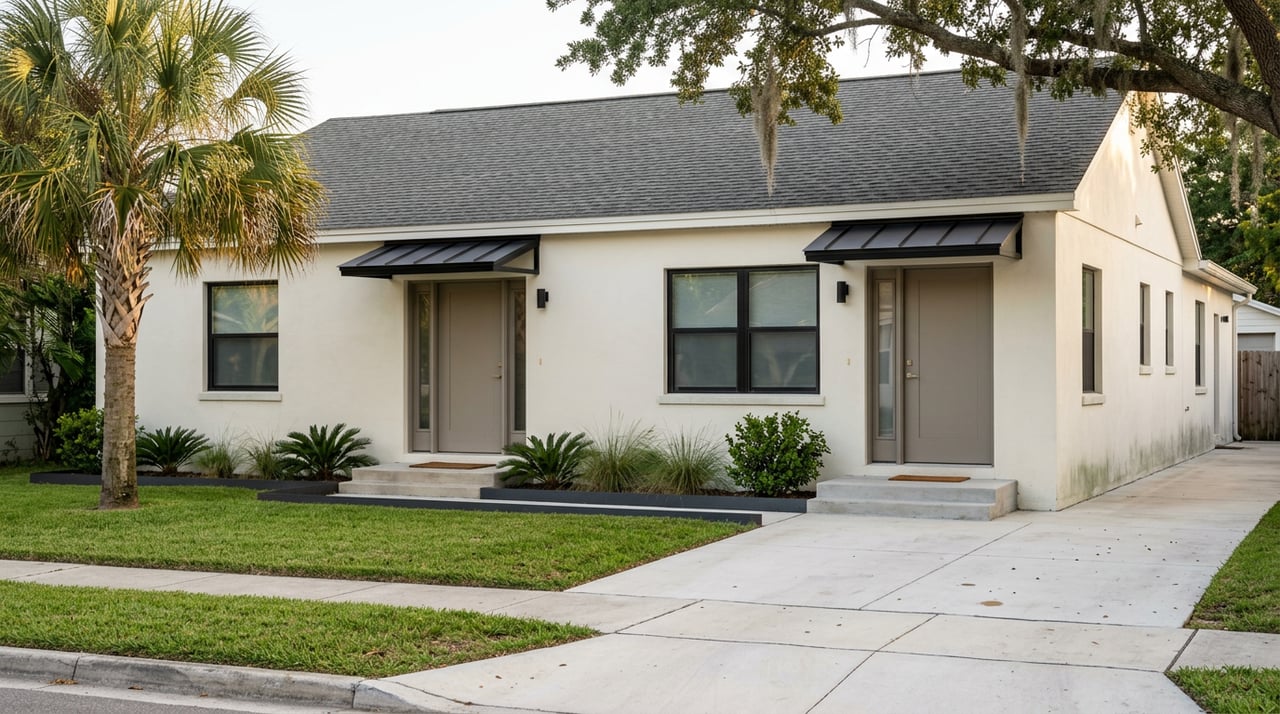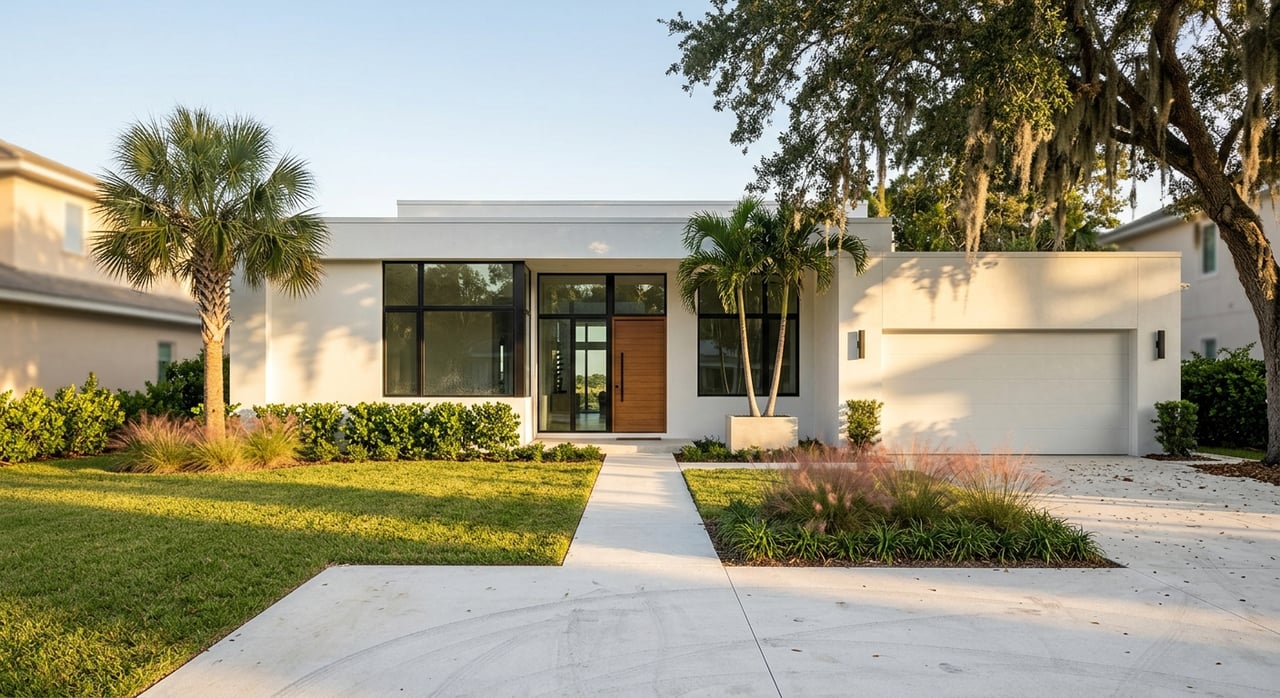
Thinking about using your VA benefit for a brand-new home in Riverview? You are not alone, and you are right to ask a few extra questions before you sign with a builder. VA financing can work for new construction, but the details matter, especially around lender experience, builder approval, appraisals, and local county records. This guide will help you understand how the process works in Riverview so you can move forward with more confidence. Let’s dive in.
Why VA and new construction can work
A VA-backed loan can be used to buy, build, improve, or refinance a home. According to VA, nearly 90% of its backed loans are made with no down payment, which is one reason many eligible buyers look at new construction as a realistic option.
Your first step is confirming eligibility and getting your Certificate of Eligibility. You also need to meet lender and VA requirements for credit, income, and occupancy. VA does not set a minimum credit score, but many lenders do, which makes lender shopping especially important.
Know your entitlement early
Before you tour communities or compare floor plans, ask your lender to verify your entitlement. If you have full entitlement, VA says there is no loan limit as long as you can afford the payment and the appraisal supports the price.
If you have already used some of your entitlement, county loan limits may come back into play. That can affect your budget, your builder choices, and how you structure the purchase from the start.
Two ways VA construction financing works
VA allows both one-time and two-time construction loans. The right fit depends on the lender, the builder, and how the project is being financed.
One-time close
A one-time close combines construction financing and permanent financing into a single closing. This can simplify the process because you close once at the beginning rather than closing again when the home is finished.
Two-time close
A two-time close uses interim financing during construction and then a separate VA permanent loan after completion. This structure can work, but it usually adds another step and another closing event.
Once the loan closes, you cannot convert it from one structure to the other. That is why it helps to understand the timeline and financing setup before you commit.
Builder-financed versus custom build
Not every new-construction purchase follows the same path. In some cases, you are buying a completed or near-completed home from a builder, which is different from using a VA construction loan to build from the ground up.
VA says the home loan can be used to construct a new residence on land you already own or land you buy as part of the loan. The contract usually sets the construction timeline, and the lender is responsible for project management. VA will not issue the Certificate of Guaranty until the project is complete.
Why lender experience matters
New construction with VA financing is more specialized than a standard resale purchase. Not all lenders offer VA construction loans, and not all lenders handle builder coordination, draws, and appraisal timing the same way.
A lender with real VA new-construction experience can help you understand when the appraisal is ordered, how funds are released, and what documents are needed from the builder. You should compare at least three Loan Estimates so you can look at rate, payment, fees, and timeline side by side.
Why builder registration matters
If you are buying a VA-financed new build, the builder must be registered with VA and have a VA Builder ID. That is one of the first questions to ask before you get too far into pricing upgrades or signing paperwork.
VA also notes that lenders may want the builder to be licensed, bonded, and insured under state and local rules. A builder who already works with VA buyers and VA-participating lenders may be better prepared for the process.
Riverview due diligence is county-focused
Riverview is a Census-designated place, which means it is an unincorporated community rather than a city with its own municipal permitting office. For you as a buyer, that makes county-level checks especially important.
Hillsborough County says permit activity after January 19, 2021 must be searched through HillsGovHub. The county also maintains FEMA-based flood-hazard layers that it says are updated monthly.
Before you finalize a Riverview new-construction purchase, verify these items:
- The permit is active
- Required inspections have been completed
- The certificate of occupancy or equivalent final signoff exists
- The parcel’s flood zone has been checked
These steps are practical in any market, but they matter even more in a fast-growing suburban area where new homes, commuting patterns, and monthly ownership costs all shape your decision.
What Riverview’s housing profile tells you
Riverview is a large and growing community. The 2020 Census counted 107,396 residents, up from 71,050 in 2010, and recent Census data shows a 75.7% owner-occupied housing rate.
Recent data also reports a median value of owner-occupied housing units of $384,200, median selected monthly owner costs with a mortgage of $2,033, median household income of $100,438, and a mean commute time of 34.8 minutes. There were also 8,624 veterans counted in the 2020-2024 ACS.
For you, that means Riverview is the kind of market where financing is only part of the decision. Budget, commute, flood-zone review, and community fit all matter alongside the appeal of a brand-new home.
Protect yourself on price and appraisal
One of the most important contract protections for VA buyers is the VA escape clause. VA requires it in all VA purchase contracts, including new-construction contracts signed before the Notice of Value is issued.
If the VA reasonable value comes in below the contract price, you generally have three paths. You can renegotiate, bring extra funds, or walk away without losing your earnest money.
There is one important warning here. Upgrade deposits paid directly to the builder are not protected by the escape clause. If you are adding design options, lot premiums, or custom features, ask for the builder’s written policy on what happens to those deposits if the transaction does not close.
Budget for closing costs and the funding fee
VA’s funding fee is a one-time charge unless you qualify for an exemption. It is paid at closing, and for purchase or construction-permanent loans, VA says the only item allowed to be financed into the loan amount is the funding fee itself.
Sellers or builders can contribute credits toward closing costs, but VA limits seller concessions to 4% of the property’s reasonable value. Closing costs commonly run about 2% to 5% of the purchase price, though the total depends on the loan, lender, property, and location.
That is why comparing lenders early matters. A slightly different fee structure can change your cash needed at closing.
Inspections and warranties still matter
A brand-new home can feel move-in ready, but that does not mean you should skip your own due diligence. VA is clear that the loan guarantees the loan, not the home’s condition, and the appraiser is not acting as your home inspector.
For new construction, VA requires either a 1-year VA builder warranty or a 10-year insurance-backed warranty. You should also confirm what local inspections were completed and make sure you receive the certificate of occupancy or final inspection records.
An independent inspection is still a smart step. It gives you another layer of information before closing and can help you catch issues that need attention.
Questions to ask your lender
Use these questions before you choose a lender for a Riverview new build:
- Can you verify my Certificate of Eligibility and entitlement early?
- Do you offer VA construction-to-permanent loans, or only VA purchase loans for completed homes?
- Will this be a one-time close or a two-time close?
- When is the appraisal ordered in the construction timeline?
- How are draws handled during construction?
- Will you require my written approval before each disbursement to the builder?
- What closing costs must be paid at closing?
- Can the funding fee be financed into the loan?
- Do I qualify for a VA funding-fee exemption?
- Can you issue a Loan Estimate early enough for me to compare lenders?
- If the appraisal comes in low, how will the escape clause process work?
Questions to ask your builder
These questions can help you avoid surprises after you choose a lot or floor plan:
- Are you registered with VA, and do you have a VA Builder ID?
- What warranty comes with the home?
- Which inspections are included?
- Will I receive the certificate of occupancy or final inspection records?
- How are change orders and upgrades approved?
- Will post-appraisal changes require a revised appraisal?
- What is your written policy on upgrade deposits if the contract does not close?
- Do you have experience working with VA buyers and VA-participating lenders?
A smart Riverview VA game plan
If you want to keep the process manageable, focus on a few priorities first. Confirm your eligibility, choose a lender with VA new-construction experience, and make sure the builder is VA-registered before you spend time negotiating upgrades.
From there, stay disciplined about the contract, the appraisal timeline, and the county records. In Riverview, practical details like permit status, final signoff, flood-zone review, and commute realities are part of making a sound decision.
A new home can absolutely be part of your next chapter, whether you are relocating, buying your first home, or looking for a fresh start in a growing Tampa Bay community. The key is making sure the financing, builder, paperwork, and property details all line up before you move forward.
If you want local guidance as you compare Riverview new construction with your VA benefit, connect with Lori Moses for clear, responsive help tailored to your move.
FAQs
Can you use a VA loan for new construction in Riverview?
- Yes. VA financing can be used for new construction, but the lender, builder registration, contract terms, and appraisal timeline all need to align.
What should Riverview buyers check before closing on a new build?
- You should verify the active permit, completed inspections, certificate of occupancy or final signoff, and the parcel’s flood zone through county-level records.
Does the VA escape clause protect upgrade deposits on new construction?
- No. VA says the escape clause does not protect upgrade deposits paid directly to the builder.
Do you still need an inspection on a new-construction home in Riverview?
- Yes. VA states the appraisal is not a home inspection, so an independent inspection is still a smart safeguard.
What warranty is required for a VA-financed new home?
- VA requires either a 1-year VA builder warranty or a 10-year insurance-backed warranty on new construction.
Why is lender experience important for a VA new-construction purchase?
- Not all lenders offer VA construction loans, and experienced lenders are better prepared to handle underwriting, builder review, draws, and appraisal timing.