If you work in Tampa or Orlando, Lakeland can look like a smart middle ground. You get a Central Florida home base with a wider range of housing choices, but you also take on a commute that is much longer than a typical local drive. If you are wondering whether that tradeoff fits your routine, budget, and energy level, this guide will help you think it through. Let’s dive in.
Lakeland Works Best as a Home Base
Lakeland is best viewed as a Central Florida base, not a close-in suburb of Tampa or Orlando. City materials place Lakeland about 32 miles from Tampa and 54 miles from Orlando, while current modeled route pages estimate about 42 miles and 1 hour 30 minutes to Tampa and 64 miles and 1 hour 45 minutes to Orlando. Those differences usually come down to where your trip starts and ends, but the main point is simple: this is a real commute.
That matters because the final miles into either metro can shape your day. A job near the edge of a metro area may feel very different from one deeper into the urban core. In practical terms, your exact destination and departure time can have a big impact on how manageable the drive feels.
Commute Times Are Much Longer Than Local Norms
Lakeland’s mean travel time to work is 23.1 minutes. That gives you a helpful benchmark if you are comparing local jobs with regional commuting. A drive to Tampa or Orlando is not just a little longer than average. It is a very different kind of routine.
If you are considering this move, it helps to think in weekly terms instead of one trip at a time. A long drive once or twice a week may feel reasonable for some households. The same drive five days a week during busy periods can feel much heavier.
Tampa Commute Reality
Current modeled route pages estimate the Lakeland-to-Tampa drive at about 42 miles and 1 hour 30 minutes. The route also carries more urban-delay exposure as you get closer to Tampa. That means traffic patterns and timing can noticeably change your experience.
For some buyers, this is workable with a hybrid schedule or flexible start times. For others, especially those who must report on-site at fixed hours, the drive may become the biggest factor in their housing choice.
Orlando Commute Reality
Current modeled route pages estimate the Lakeland-to-Orlando drive at about 64 miles and 1 hour 45 minutes. As with Tampa, the last stretch into the metro can add friction to the trip. It is doable, but it is not a casual daily hop.
If your work is in Orlando, the same questions apply. Can you shift your hours, combine office days, or plan around longer drive windows? If the answer is yes, Lakeland may still make sense. If not, the commute may feel hard to sustain.
Public Transit Helps Locally, Not Regionally
One of the biggest lifestyle questions is whether you want a car-first routine. In Lakeland, local transportation options can help with errands and day-to-day mobility, but they do not replace the need for a car if you are commuting to Tampa or Orlando.
Citrus Connection is Polk County’s countywide public transit provider. It offers fixed routes around Lakeland and nearby cities, plus microtransit, a free shuttle in Lakeland and Lake Wales, door-to-door booking for eligible riders, and paratransit. That is useful for local movement, but it is not the same as having a commuter rail line into Tampa or Orlando.
What About Rail?
Lakeland does have Amtrak service at 600 East Main Street. Still, Amtrak’s 2025 Florida fact sheet shows only six intercity trains per day on three permanent routes in the state. For most people, that makes rail more of an occasional travel option than a dependable daily commute plan.
SunRail does not solve the issue either. SunRail serves Volusia, Seminole, Orange, and Osceola counties over about 61 miles and operates Monday through Friday, but Lakeland is outside that network. If rail access is a top priority in your home search, Lakeland may not line up with your ideal setup.
Housing Choice Is a Big Part of the Appeal
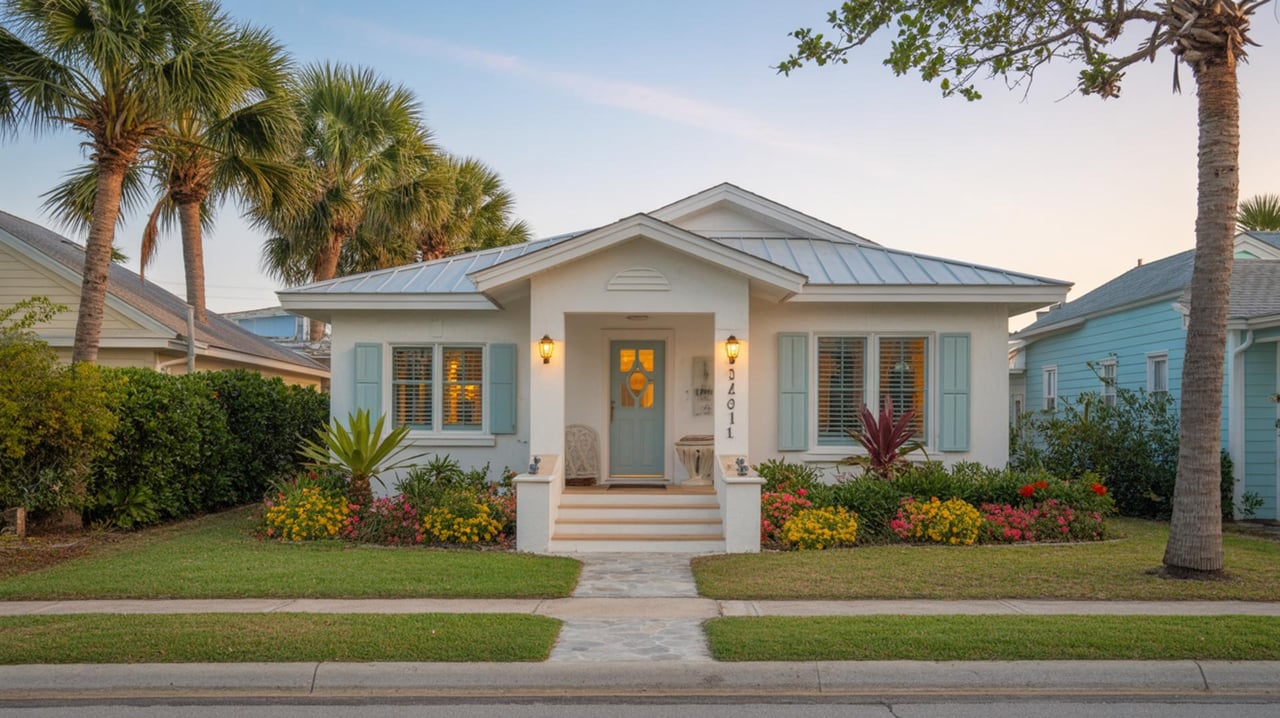
The reason many buyers still consider Lakeland is the housing mix. Lakeland’s 2025 demographic guide shows a market that is 55% owner-occupied and 45% renter-occupied, with a median rent of $1,519, an average sales price of $369,452, a median home age of 39, and 3,503 home sales in 2024. That gives you a market with meaningful depth and different ways to live.
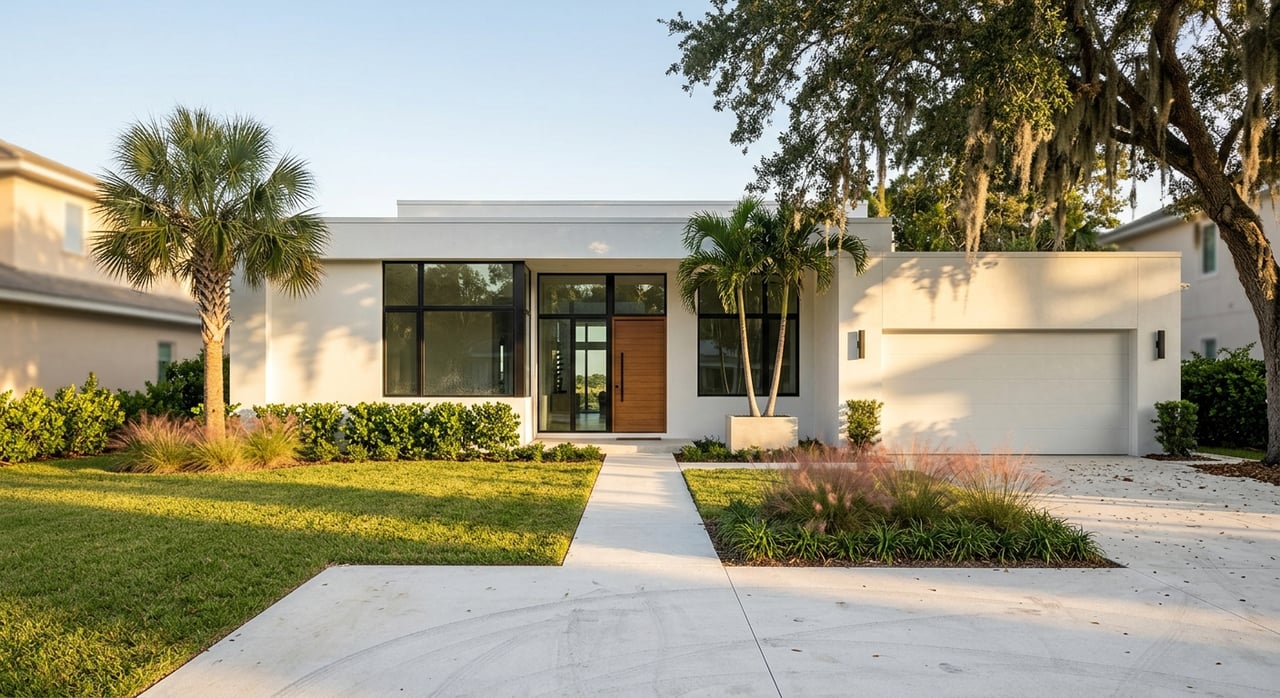
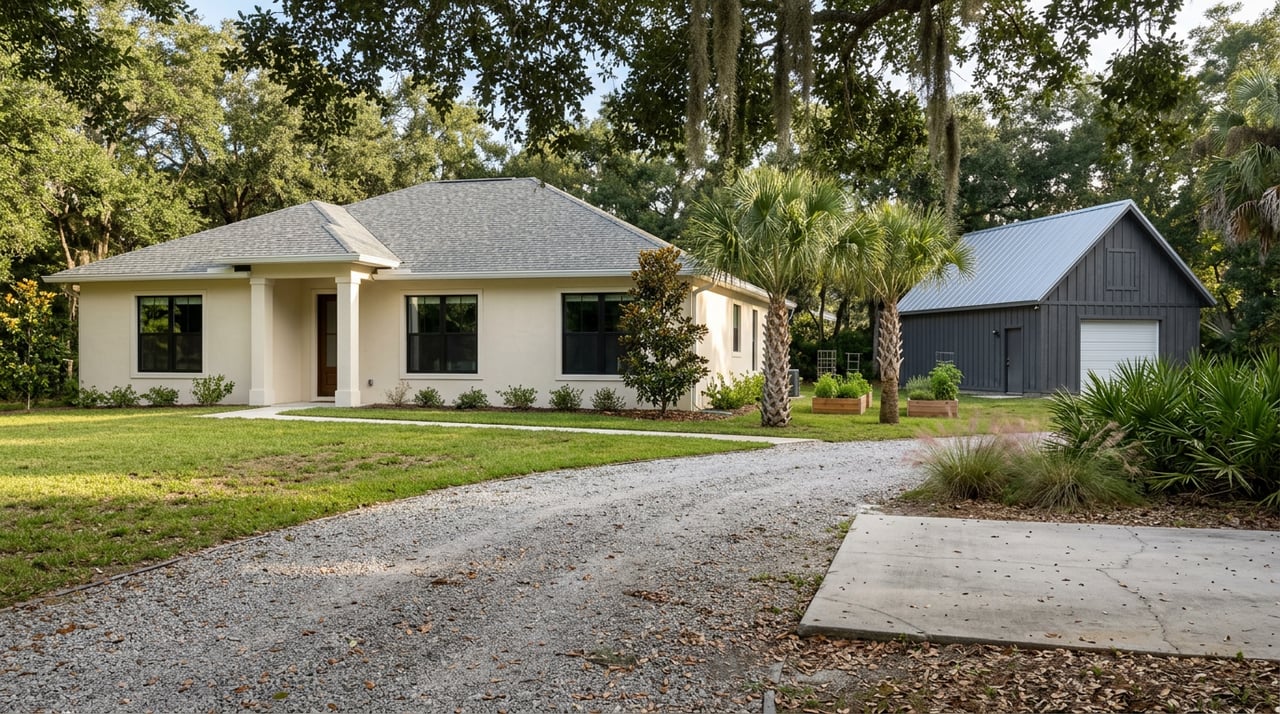
In plain terms, you may find options that fit different priorities. Some buyers want a more traditional home with more interior space or yard space. Others want a lower-maintenance setup that better matches a busy schedule.
Lakeland Is Still Adding Homes
The city is also continuing to build. Lakeland’s 2025 ACFR says the city issued 525 new single-family permits and 410 multifamily permits in 2025. The Housing Office also offers home purchase assistance, rehab assistance for owner-occupied single-family homes, and development incentives for single-family attached and multifamily rental units.
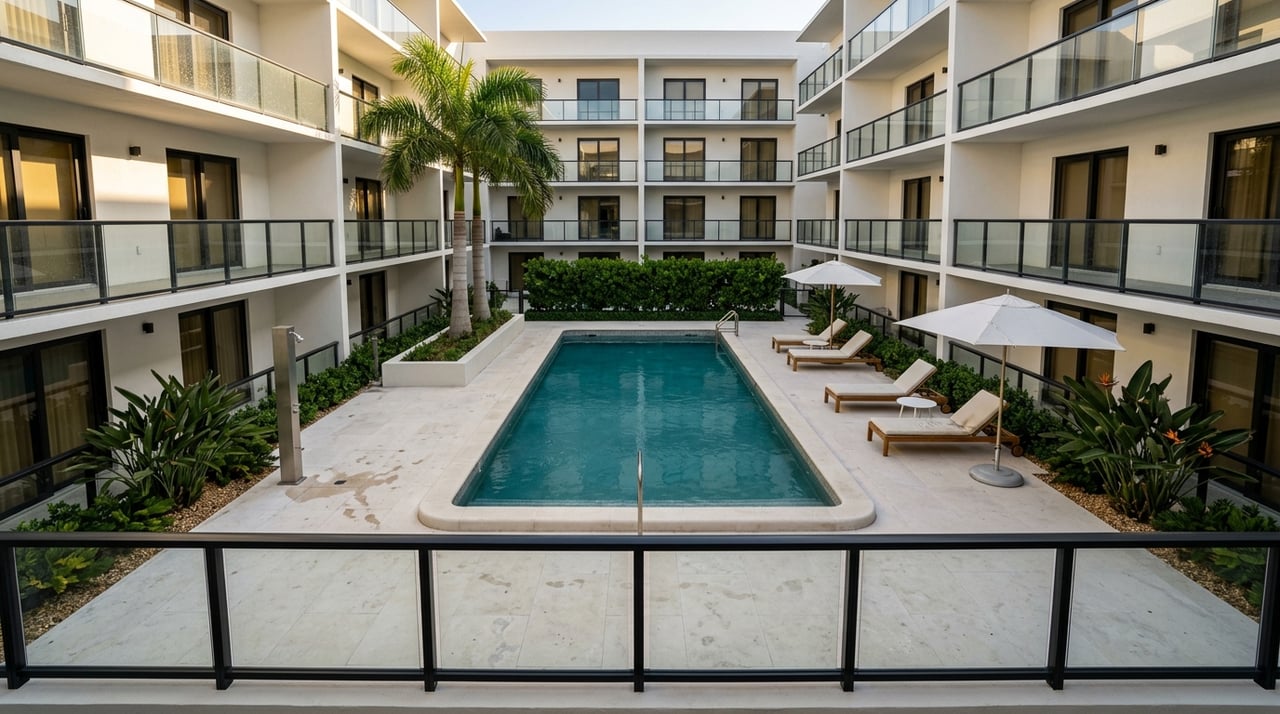
Recent city records also show approvals for single-family attached townhome projects. That confirms that attached, lower-maintenance housing is part of the local development mix. If you expect to spend a lot of time commuting, that kind of housing option may be worth a closer look.
Match Your Home Type to Your Schedule
When you are balancing commute time with home life, the home itself matters. A detached home can offer more room and outdoor space, which many buyers value. At the same time, more space often means more upkeep.
Attached or multifamily options can reduce maintenance and simplify your weekly routine. If you leave early, return late, or split your week between home and office, a lower-maintenance property may support your lifestyle better. This is where your daily habits matter just as much as the price tag.
Who Lakeland Fits Best
Lakeland can be a strong fit if you are comfortable with a car-centric regional commute. It tends to work best for buyers who have hybrid schedules, flexible hours, or a willingness to plan the day around drive time. In that situation, Lakeland can serve as a practical home base between major job centers.
It may also appeal to relocating households that want more housing choice while staying connected to the broader Tampa and Central Florida region. If you are moving for work and do not need to be in the office every single day, Lakeland may open up options that deserve a closer look.
When Lakeland May Be a Weaker Fit
Lakeland may be a weaker fit if you need to be on-site every day during peak traffic and want a rail-first routine. The local transportation options are useful within Polk County, but the area does not offer a commuter rail link to Tampa or Orlando. If you know you want a shorter, more predictable trip, that limitation matters.
It may also be less appealing if long drive times drain your energy or cut too deeply into family time, workouts, or evening plans. The commute is workable for many people, but only when it is treated as a real part of the lifestyle, not an afterthought.
Questions to Ask Before You Move
Before you decide, try asking yourself a few practical questions:
- How many days per week will you actually need to commute?
- Are your work hours flexible enough to leave earlier or later?
- Is your job closer to the edge of Tampa or Orlando, or farther into the metro?
- Would a lower-maintenance home make your week easier?
- Do you want local transit for errands, even if you still need a car for work?
- Are you comfortable trading drive time for a different housing setup?
Those answers can tell you a lot. In many cases, the best decision is less about mileage and more about how you want your week to feel.
The Bottom Line on Lakeland Commuting
Lakeland can absolutely work for some commuters, but it is best for buyers who go in with clear expectations. The city offers a broad housing mix, ongoing development, and a useful Central Florida location. What it does not offer is a quick, easy, rail-supported trip into Tampa or Orlando.
If you build the commute into your lifestyle from the start, Lakeland may be a smart and flexible home base. If you want a shorter or more transit-focused routine, you may want to compare it with locations closer to your workplace. If you want help weighing those tradeoffs, Lori Moses can help you find the right fit for your schedule, goals, and next move.
FAQs
Is Lakeland close enough for a daily commute to Tampa?
- Lakeland can work for a daily Tampa commute for some people, but current modeled routes estimate about 42 miles and 1 hour 30 minutes, which is much longer than Lakeland’s average local work commute of 23.1 minutes.
Is Lakeland a good choice for commuting to Orlando?
- Lakeland can be an option for Orlando commuters, but current modeled routes estimate about 64 miles and 1 hour 45 minutes, so it tends to fit best when you have flexible hours or a hybrid work schedule.
Does Lakeland have commuter rail to Tampa or Orlando?
- No. Lakeland has local transit through Citrus Connection and intercity Amtrak service, but it does not have a commuter rail link to Tampa or Orlando, and Lakeland is outside the SunRail network.
What transportation options does Lakeland offer for local travel?
- Citrus Connection provides fixed routes around Lakeland and nearby cities, plus microtransit, a free shuttle in Lakeland and Lake Wales, door-to-door booking for eligible riders, and paratransit.
What types of homes can buyers find in Lakeland?
- Lakeland offers a mix of owner-occupied and renter-occupied housing, including traditional single-family homes, multifamily options, and attached housing such as townhome projects reflected in recent city records.
Is Lakeland better for hybrid workers than full-time in-office commuters?
- For many buyers, yes. The available data suggest Lakeland is often a better fit when you can limit commute days, adjust your schedule, or plan your week around longer drive times.